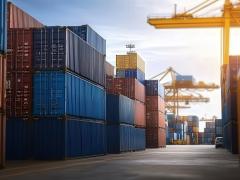
The airfreight industry is feeling the squeeze as shippers switch to slower and cheaper sea options in the wake of the global economic crisis. The confidence of purchasing managers in the manufacturing sector has fallen to its lowest level since 2009, according to information released by the International Air Transport Association. “This loss of confidence appears to have caused shippers to switch some transport needs to the detriment of air freight which showed a 4.7% decline in October compared to the previous year,” said Iata director general and CEO Tony Tyler. Passenger traffic on the other hand rose 3.6% over previous year levels. “Cargo is the story of the month. Since mid-year the market has shrunk by almost 5% and this is far greater than the 1% fall in world trade. Air freight is among the first sectors to suffer when businesses confidence declines,” said Tyler “While business confidence has declined considerably in recent months, industrial output has not. But in anticipation of weaker economic activity, there is a shift to cheaper and slower modes of transport.” In stark contrast to the decline in air freight, the trend for air travel remains upwards, but with very strong regional differences. Despite the deepening euro-zone crisis, European carriers have showed above trend demand growth of 6.4%. “With Europe accounting for 29.2% of global air travel, this suggests that the current overall strength in air travel is based on fragile foundations,” said Tyler. Airlines have responded to weaker demand by cutting their freighter fleet. But this has not stopped a steady and substantial five percentage point fall in freight load factors compared to their early 2010 peak owing to capacity entering the market via widebodied passenger aircraft, he added. Asia-Pacific carriers account for about 40% of global freight markets and while they are the most exposed to the volatility of freight volumes, they are still benefiting from the dominance of trade flows to Asia. In October they posted the highest freight load factor (58.8%), a full 12.3 percentage points above the global average of 46.5%. This is a result of strong outward flows of freight from Asia which dominates the air cargo business. “The economic prospects for 2012 are uncertain,” said Tyler, “but the track record of aviation’s ability to act as a catalyst for economic activity is rock-solid. Now is the time for governments to use aviation strategically in their efforts to put economies back on track. Implementing a Single European Sky, delivering NextGen air traffic management in the US and supporting the commercialisation of sustainable biofuels for aviation are examples of government action that would generate jobs, improve environmental performance and help secure the industry’s long-term success and economic benefits,” said Tyler.
Airfreight continues downward spiral
Comments | 0
© Now Media. This content is protected by copyright and may not be adapted or republished. If you would like to discuss cooperation opportunities, please contact: editor@freightnews.co.za.