South Africa's agricultural exports reached a first-quarter record of R67bn (US$3.7bn) in the first three months of 2026, up 11% year on year, according to the latest Agricultural Trade Brief published by the Bureau for Food and Agricultural Policy.
The sector recorded a trade surplus of R33bn ($1.8bn), accounting for around 40% of South Africa's total trade surplus during the quarter. Strong performances by horticultural exports, particularly edible fruits and nuts, underpinned the growth. Export values in the category increased by 13.7% compared with the same period last year.
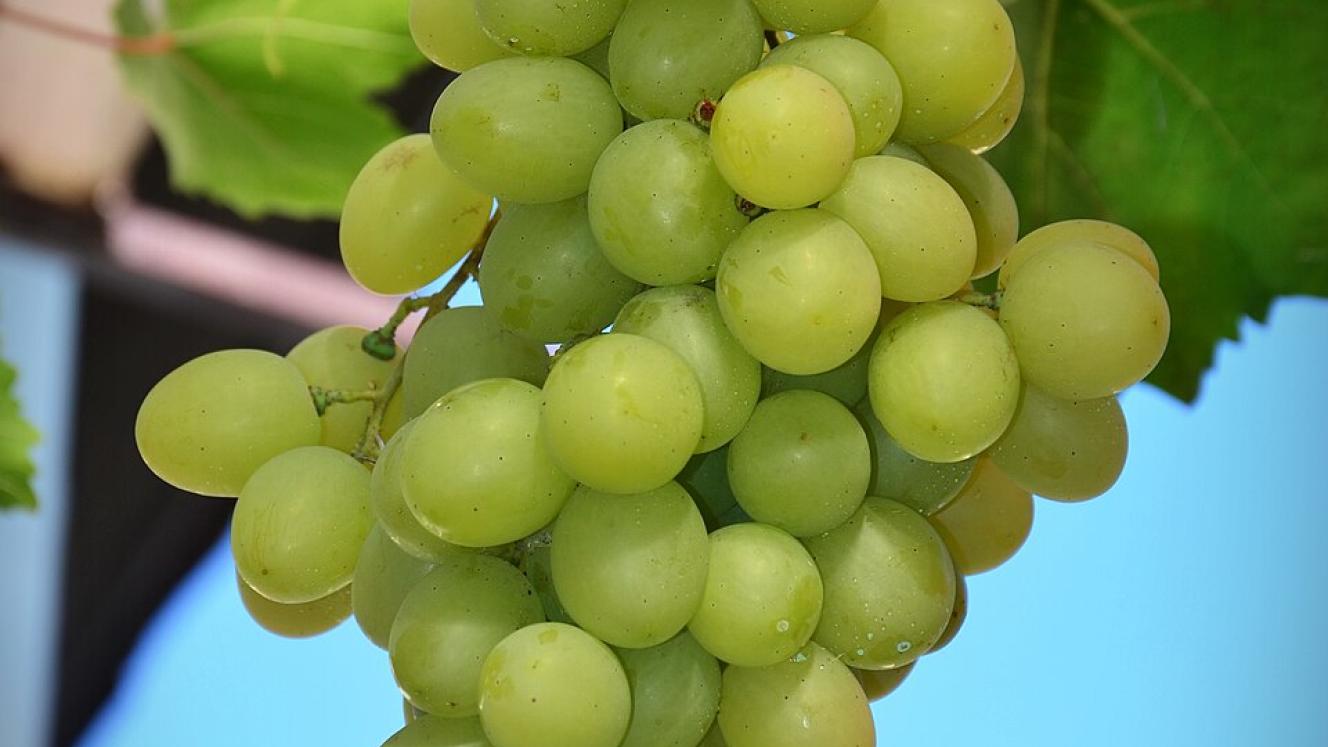
Products that featured prominently among exports during the quarter included grapes, apples and pears, maize, wine, apricots, cherries, peaches, sugar, wool, fruit juices, nuts, avocados and soybeans. Higher export volumes and improved commodity prices contributed to the increase in export earnings.
The Southern African Development Community remained South Africa's largest agricultural export destination, accounting for agricultural exports worth approximately R26bn during the quarter. The European Union was the second-largest, receiving agricultural exports valued at around R19bn.
Africa accounted for 44% of South Africa's agricultural export value in the first quarter, followed by the EU at 26%, while Asia and the Middle East represented 14% of exports.
South Africa's agricultural exports had started 2026 on a strong footing despite an uncertain global trade environment and ongoing domestic logistics challenges, says Agbiz chief economist Wandile Sihlobo. He attributed the 11% increase in exports to a combination of higher export volumes and stronger commodity prices across a range of products.
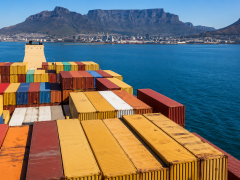
However, he noted that logistics constraints continued to affect parts of the export sector during the quarter. "While Cape Town port's efficiency has improved following recent challenges, we still observed issues at the port during the first quarter," said Sihlobo.
The Port of Cape Town experienced delays in agricultural cargo operations at the end of 2025 and into 2026. This had coincided with the peak export period for the table grape industry and a strong harvest, resulting in some growers and exporters moving volumes that would typically be exported through Cape Town to ports in the Eastern Cape, he said.