Fresh produce from Zimbabwe
could soon be moving through
South African and other ports
in the region rather than by air,
according to ZimTrade.
Zimbabwean farmers have
been urged to adapt to changes
in the market, where concerns
about the carbon footprint of
fresh produce that is flown
to destinations in Europe is
seeing a shift to sea freight,
horticulture specialist Peter
de Wit of the Dutch volunteer
organisation PUM is quoted
as saying in the organisation’s
Zim Trading Post newsletter.
He said international
businesses and consumers were
placing more awareness on
the environmental impact of
freight forwarding services and
were increasingly using greener
services to transport the goods.
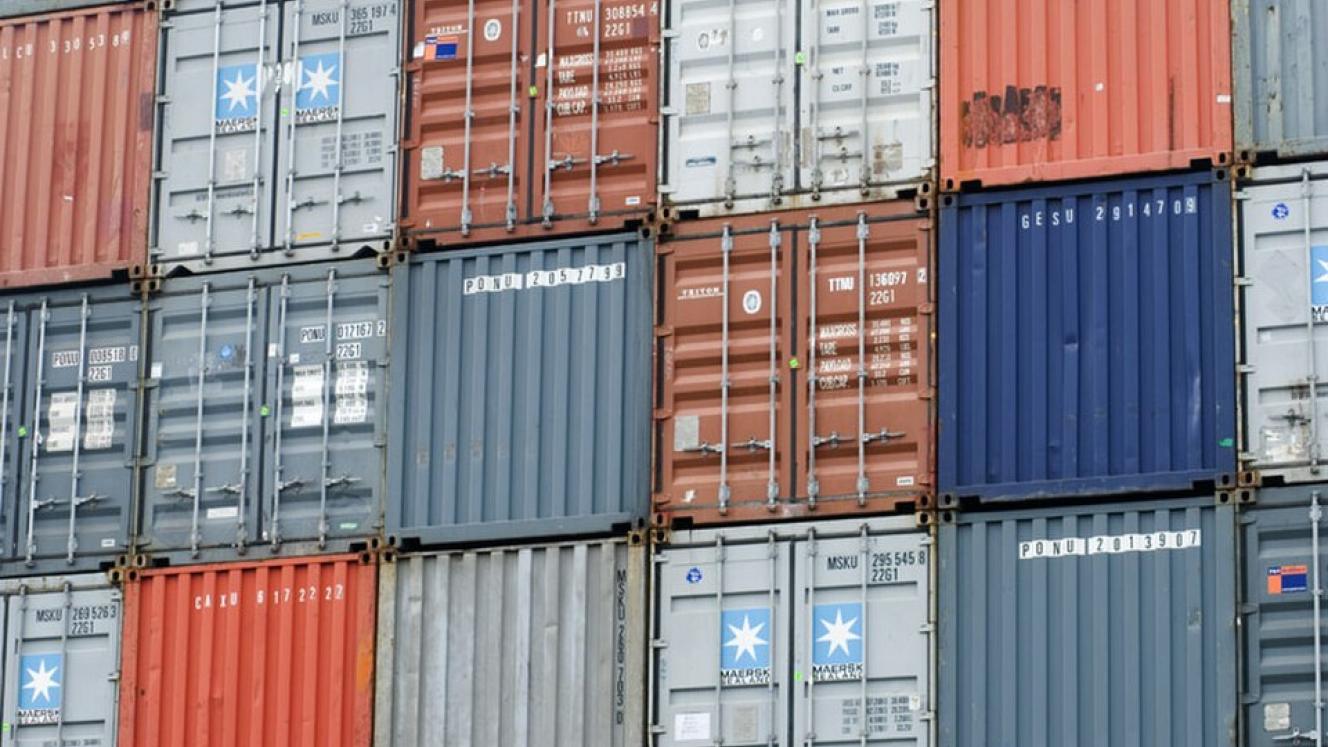
Seafreight is considered a
much greener transportation
mode and has a higher
carrying capacity.
“This paradigm shift
started two years ago and
presently 20-30% of global
pea exports are being
transported by sea. In the
next two to three years, about
80% of horticultural export
produce such as sugar snaps,
mange tout, peaches and other
stone fruits into Europe will be
transported using seafreight,”
he is quoted as saying.
The trend is creating
opportunities for
value-added
logistics
services.
Zimbabwean
farmers have
been urged to form
cooperatives as most
farms will not produce
enough to fill a container
on their own.
“I urge exporters to
form alliances to fill up
containers as well to
optimise routings and
decrease delays at the
harbour,” he added.
However, there is a risk
of losing a whole container
if the consignment exceeds
Maximum Residue
Limits (MRL).
The limits are based on
the highest level of pesticide
residues.
It was therefore important
for Zimbabwe to invest in a
laboratory that could conduct
MRL checks as well as in
infrastructure to handle seabound
containers, he said.
Zim farmers go ‘green’ and opt for seafreight
Comments | 0
© Now Media. This content is protected by copyright and may not be adapted or republished. If you would like to discuss cooperation opportunities, please contact: editor@freightnews.co.za.