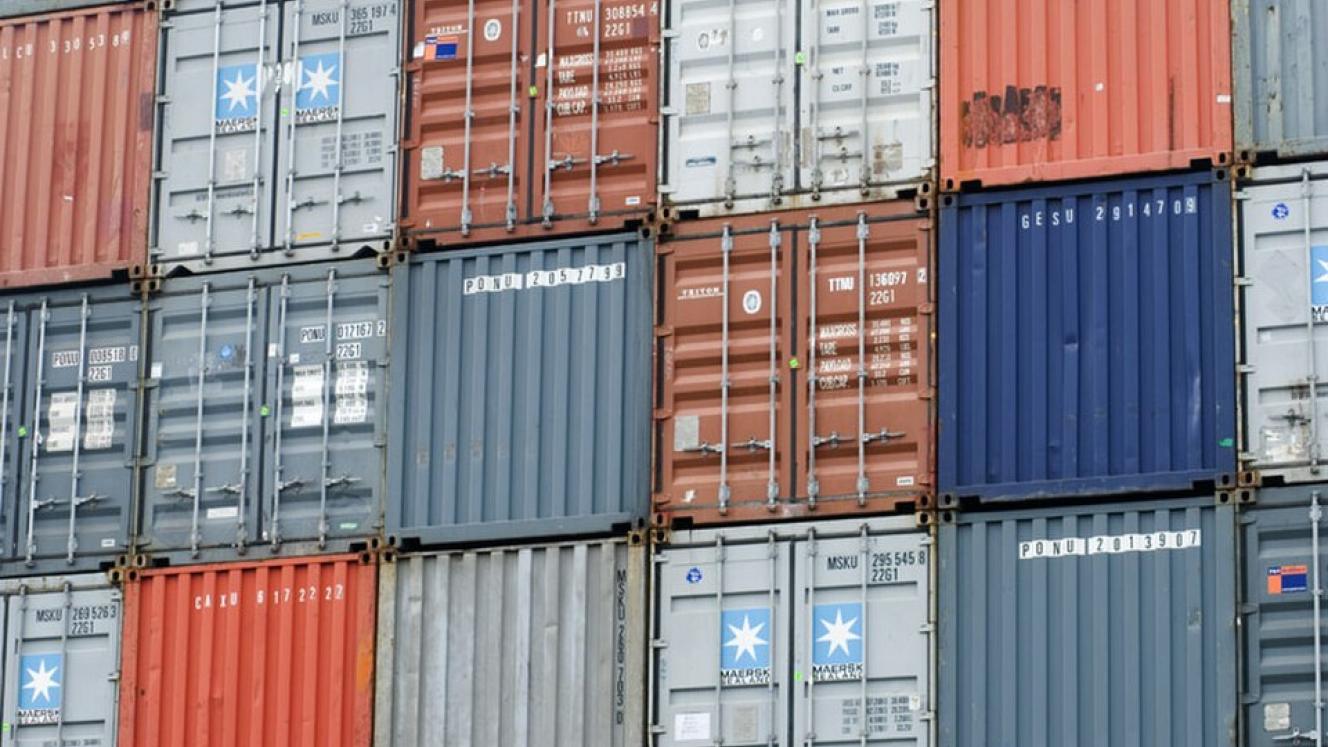
KEVIN MAYHEW THE PORT of Walvis Bay is beginning to play a more significant role in the southern African logistics network – particularly for containers and bulk traffic from Zambia using the Trans-Caprivi Corridor. Windhoek-based Namport sales and service manager, Johny Smith, says he visited the Zambian Copperbelt town of Ndola recently and was very encouraged by the reception he received. The port authority will also shortly be announcing the identity of a Zambian local, well connected in the Zambian freight community, to represent Namport from Lusaka. Namport is part of the all-embracing Walvis Bay Corridor Group (WBCG) that is developing and promoting Walvis Bay as a major entry and exit route for southern Africa. “The enquiries we have been getting from Zambia about the use of the Corridor reflects that there is a major shift in thinking. Our reception in Ndola vindicates our decision to establish a strong presence on the ground to achieve the objectives of both Namport and the WBCG. We have set up the key infrastructure and now have to promote its attractions within the sub-continent as a major facilitator of the logistics chain. The completion of the Trans-Caprivi Corridor link has positioned us to begin to make a bigger impact within Zambia which is a major growth centre in the sub-Saharan region,” he said. Gauteng is another focus using the Trans-Kalahari Corridor and a comparative exercise using Durban, Maputo and Walvis Bay for the export of motor spares is presently underway. At the port itself, Namport is planning a new road to service a new container facility. This has been driven by the increased use of the port for container traffic following active marketing drives by the WBCG. The new facility will increase capacity of the port by about a third of its present 150 000 containers per annum. The port has recorded increased transhipments from South America to Angola, creating a logistics conduit to a market where he believes major opportunities exist, particularly as traffic can now go through Oshikango. Outside of these specific port developments, the WBCG has also been the recipient of funding from the United Nations Commission for Trade and Development (Unctad) to facilitate the smoother running of its Trans-Caprivi Corridor. The Namibia-Zambia corridor was one of three internationally deserving the world body’s support, according to the Group’s business development executive, Frank Gschwender. The funding begins this year and will establish cross-border forums to facilitate more seamless functioning of the route.
Zambia switches on to benefits of Trans-Caprivi Corridor
Comments | 0
© Now Media. This content is protected by copyright and may not be adapted or republished. If you would like to discuss cooperation opportunities, please contact: editor@freightnews.co.za.