Vessel proprietors, freight forwarders and cargo owners were scrambling on Wednesday morning to figure out the finer detail after the United States and Iran agreed to a ceasefire brokered at 8pm on Tuesday evening, April 8, in Washington.
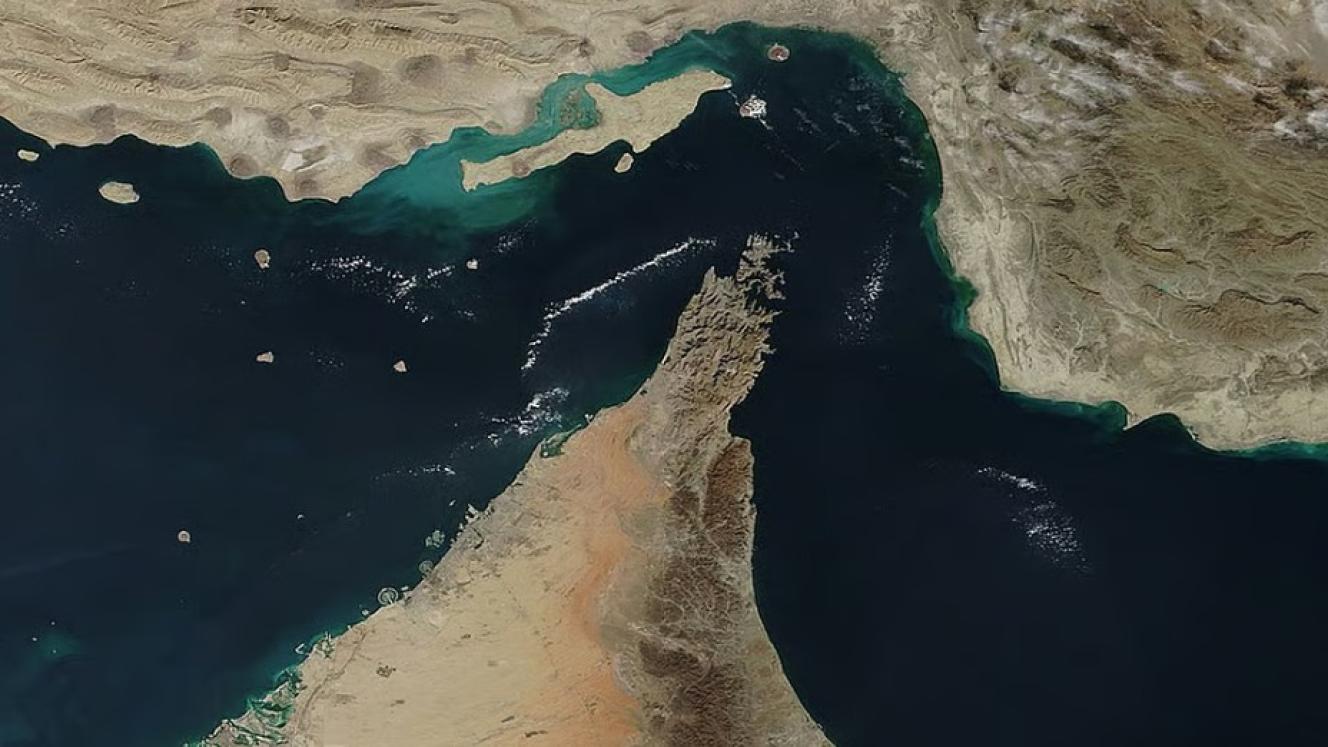
President Donald Trump emerged from the ceasefire talks saying the Strait of Hormuz would open completely, immediately, and safely to all maritime vessels trapped in the Persian Gulf.
But Iran was more measured in its pronouncement following the ceasefire.
The Straits Times in Dubai reported that Tehran said there would be “safe passage in coordination with its armed forces and within ‘technical limitations’”.
Leading proprietor bodies, such as the Japanese Shipowners’ Association, expressed cautious optimism saying “it would check the details” before advising vessel owners accordingly.
While the Strait on average sees about 135 transits daily under ordinary circumstances, it is unlikely that the choke point, which had seen a drop of at least 94% in traffic, will fluidly reopen following the ceasefire agreement.
“You don’t switch global shipping flows back on in 24 hours,” Professor Jennifer Parker, adjunct professor at the University of Western Australia Defence and Security Institute, told The Straits Times.
“Tanker owners, insurers and crews need to believe the risk has actually reduced – not just paused.”
If the truce holds for the two weeks agreed to, Lewis Hart, of insurance broker Willis Towers Watson, said it should illustrate the careful, measured and painstakingly slow pace of hoped-for supply chain normalisation in the Gulf.
Maritime data analytics firm Kpler reported that its data showed 426 crude-carrying tankers, 34 liquefied petroleum gas-bearing vessels, and 19 liquefied natural gas (LNG) carriers at anchorage to the west of Hormuz.
In an interview on Bloomberg, former US intelligence adviser Michael Pregen said it was going to take time to see how the Persian Gulf pressure was released through controlled navigation.
Leading the vanguard of vessels risking voyaging through the Strait were two vessels sailing abreast towards the Gulf of Oman – a US-sanctioned Iran-flagged tanker and a Greek-owned bulk carrier.
The Straits Times reported that LNG ships would be particularly closely monitored, as no loaded carrier had made it through the Strait since the war began, severely disrupting energy demand across Europe.
According to the International Maritime Organization, about 20 000 seafarers remain trapped in the Gulf, and at least two vessels have been abandoned.