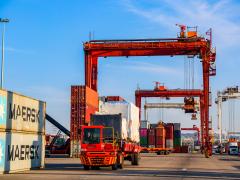
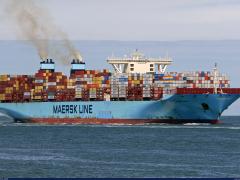
South Australia’s horrific bush fire epidemic, which left nearly 200 dead and thousands homeless, hit nearer home last week as more than 300 fires, fuelled by fierce south-easterly winds in temperatures well above 30 degrees centigrade, cut a swathe of destruction across prime agricultural and fynbos land, at the same time sending some temperatures in the container shipping sector soaring over lengthy delays. The first signs of what may lie ahead, the so-called ‘bunching’ phenomenon, were apparent at daybreak on Monday (9/2) when at least eight containerships were spotted in Table Bay. A gale force wind sprung up that evening, gusting to 120km/h, which put paid to Cape Town Container Terminal’s crane operations. However, the problems were not only confined to wind. The terminal had to deal with power and crane-related technical problems, with some vessels waiting for berths, others arriving early and requesting to work later, and terminal workers sent home early to escape Cape Town’s ongoing taxi violence. One shipping executive, who declined to be named, apportioned much of the blame for the equipment breakdowns to Transnet Port Terminals having lost some of its most competent Cape Town-based technical staff. Average berthing delays at Cape Town Terminal have been around 40 hours but were well above the norm last week. Dal Kalahari arrived 80 hours early but had been delayed for a total of 133.5 hours (including wind stoppage) by the time she sailed on Thursday, February 12. MSC Eugenia arrived on February 6 (some 72 hours early), but had requested to commence work on February 10, and therefore delayed 169 hours. Lars Maersk was delayed 134 hours, Nexoe Maersk 103.5 hours, Maersk Derise 126.50 hours and Safmarine Ngami 121.50 hours. Harbour master Captain Ravi Naicker told FTW the port was not closed at any stage as the wind problem impacted “more on the container side.”
Wind and equipment breakdowns bedevil CT port
Comments | 0
© Now Media. This content is protected by copyright and may not be adapted or republished. If you would like to discuss cooperation opportunities, please contact: editor@freightnews.co.za.