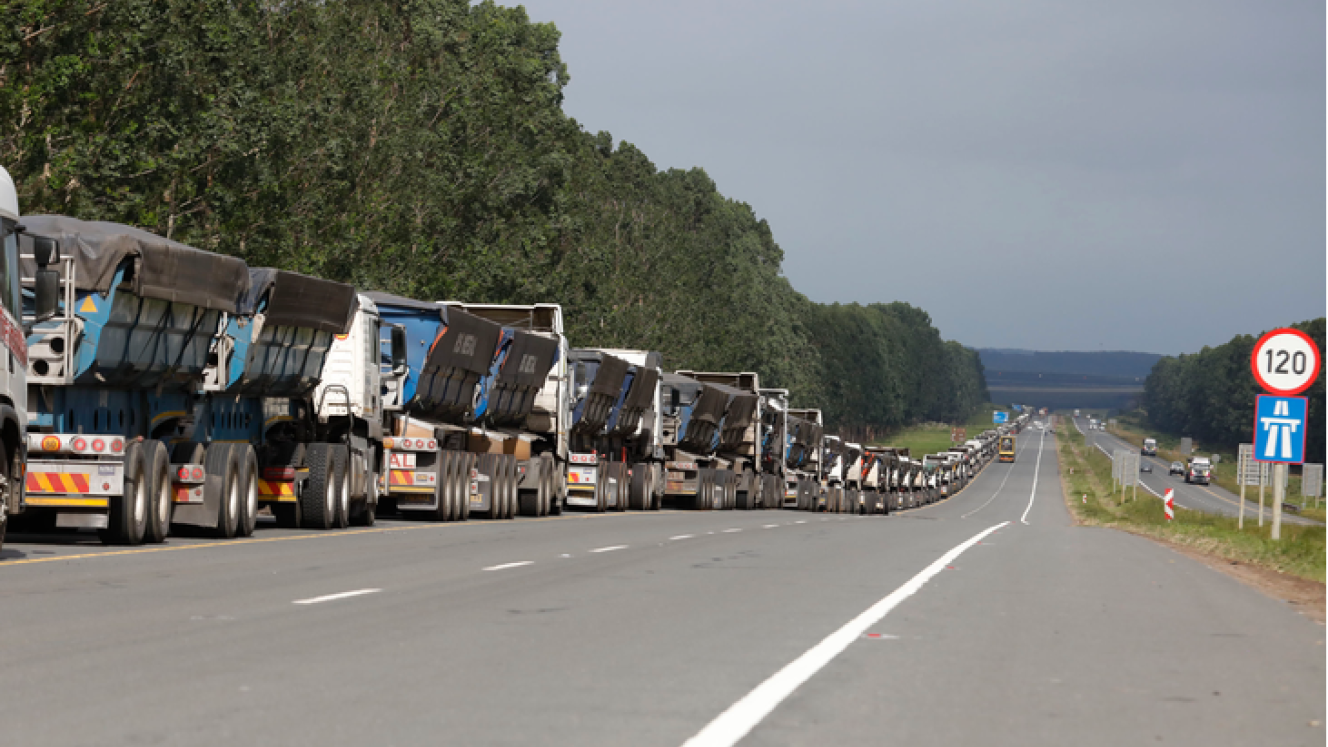
The weaker rand – along with a good production season in South Africa and low availability of fruit in Europe – has resulted in one of the best seasons for South Africa’s fruit exports, according to Stuart Symington, CEO of the Perishable Products Export Control Board (PPECB). Concerns are however rising over the impact of escalating costs on competitiveness in global markets. “According to the Citrus Growers’ Association (CGA) of Southern Africa, citrus volumes increased substantially during 2013. The soft citrus sector alone exported a record of 8.4 million cartons this year compared to last year’s 7.6 million, doubling volume in the past ten years (2003 volumes were 3.5 million cartons). A record was also achieved by the orange sector, according to the CGA, with Valencias breaking the 50-millioncarton mark. All orange volumes amounted to 76.3 million cartons – a significant growth over 2012’s 71.7 million cartons. During the citrus season alone the rand saw a weakening of between 10 and 15%. But, said Justin Chadwick, CEO of the CGA, increased costs for labour, transport and logistics as well as intensified efforts towards the eradication of citrus black spot (CBS) blighted the picture slightly. Symington agreed saying on the downside, a weakened rand could adversely impact production and export costs. “Producers have to absorb rising input costs, such as imported fertiliser, chemicals and machinery. The weaker rand will in particular negatively impact shipping and fuel costs, which are both quoted in US dollars.” He said while the weaker rand had significantly benefited the industry this year, sustainability over the longer term would be dependent on economic factors such as the inf lation rate as well as improved productivity, lower production cost in real terms and consistent delivery of quality products to the global market. “A key factor will be the inf lation rate. Exports will only continue to benefit from the exchange rate if the weakening of the rand is relatively higher than inf lationary increases in production and export costs,” he told FTW. Several exporters said the weakening of the rand was at best a double-edged sword. “Of course exporters welcome it as it means increased forex. The counter side, however, is that a weak rand drives up inf lation. The input cost for the farmer is thus severely affected by the rand. If the rand weakens the imported input cost increases dramatically. This affects the costs of anything from fertilisers and pesticides to diesel and implements,” one exporter, who preferred not to be named, said. “The trick for our fruit industry is to find the balance of critical volume, where the volume supplied starts to affect the prices that are offered.” While the weaker rand benefits the exporter’s shortterm returns and could play a role in encouraging exports to grow, the exporter said the long-term costs were of concern and had to be taken into consideration as well. “It remains important also that the marketeers ensure that the importers don’t discount their market prices just because they know farmers locally are getting better returns at present due to the weaker exchange rate, because should the exchange rate turn the other way, it will be more difficult to then again lift the market prices,” he said. INSERT & CAPTION The weaker rand will in particular negatively impact shipping and fuel costs, which are both quoted in US dollars. – Stuart Symington
Weaker rand lifts citrus export volumes
Comments | 0
© Now Media. This content is protected by copyright and may not be adapted or republished. If you would like to discuss cooperation opportunities, please contact: editor@freightnews.co.za.