Weak growth among major emerging markets will weigh on global growth in 2016, but economic activity should still pick up modestly to 2.9% - from 2.4% growth in 2015 – as advanced economies gain speed, according to the World Bank's January 2016 Global Economic Prospects report.
Simultaneous weakness in most major emerging markets is a concern because those countries have been powerful contributors to global growth for the past decade. Spill-overs from major emerging markets will constrain growth in developing countries and pose a threat to hard-won gains in raising people out of poverty, the report warns.
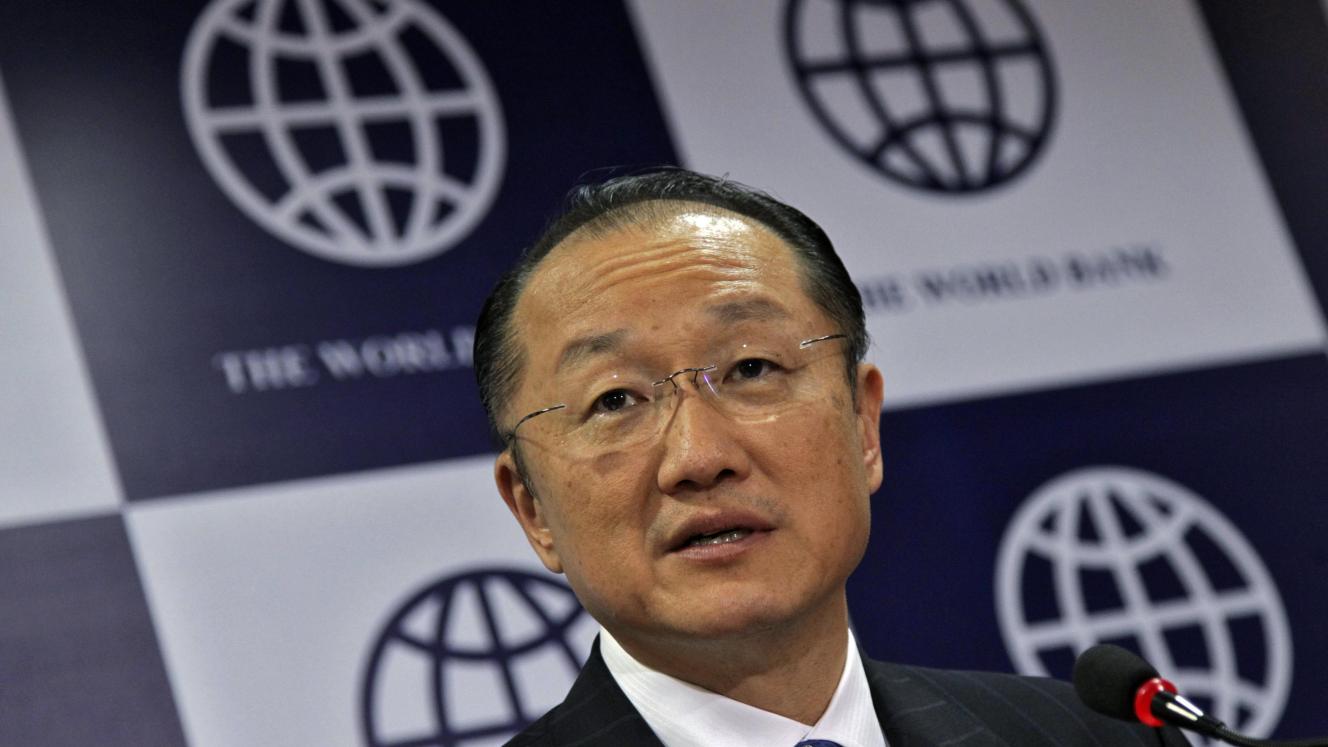
"More than 40% of the world's poor live in the developing countries where growth slowed in 2015," said World Bank group president, Jim Yong Kim. "Developing countries should focus on building resilience to a weaker economic environment and shielding the most vulnerable. The benefits from reforms to governance and business conditions are potentially large and could help offset the effects of slow growth in larger economies."
Global economic growth was lower than expected in 2015, when falling commodity prices, flagging trade and capital flows, and episodes of financial volatility sapped economic activity. Kim says firmer growth ahead will depend on continued momentum in high income countries, the stabilisation of commodity prices, and China's gradual transition towards a more consumption and services-based growth model.
Developing economies are forecast to expand by 4.8% in 2016, less than expected earlier but up from a post-crisis low of 4.3% in the year just ended. Growth is projected to slow further in China, while Russia and Brazil are expected to remain in recession in 2016. The South Asia region, led by India, is projected to be a bright spot. The recently negotiated Trans-Pacific Partnership could provide a welcome boost to trade.
"There is greater divergence in performance among emerging economies. Compared to six months ago, risks have increased, particularly those associated with the possibility of a disorderly slowdown in a major emerging economy," said World Bank group vice president and chief economist, Kaushik Basu. "A combination of fiscal and central bank policies can be helpful in mitigating these risks and supporting growth."