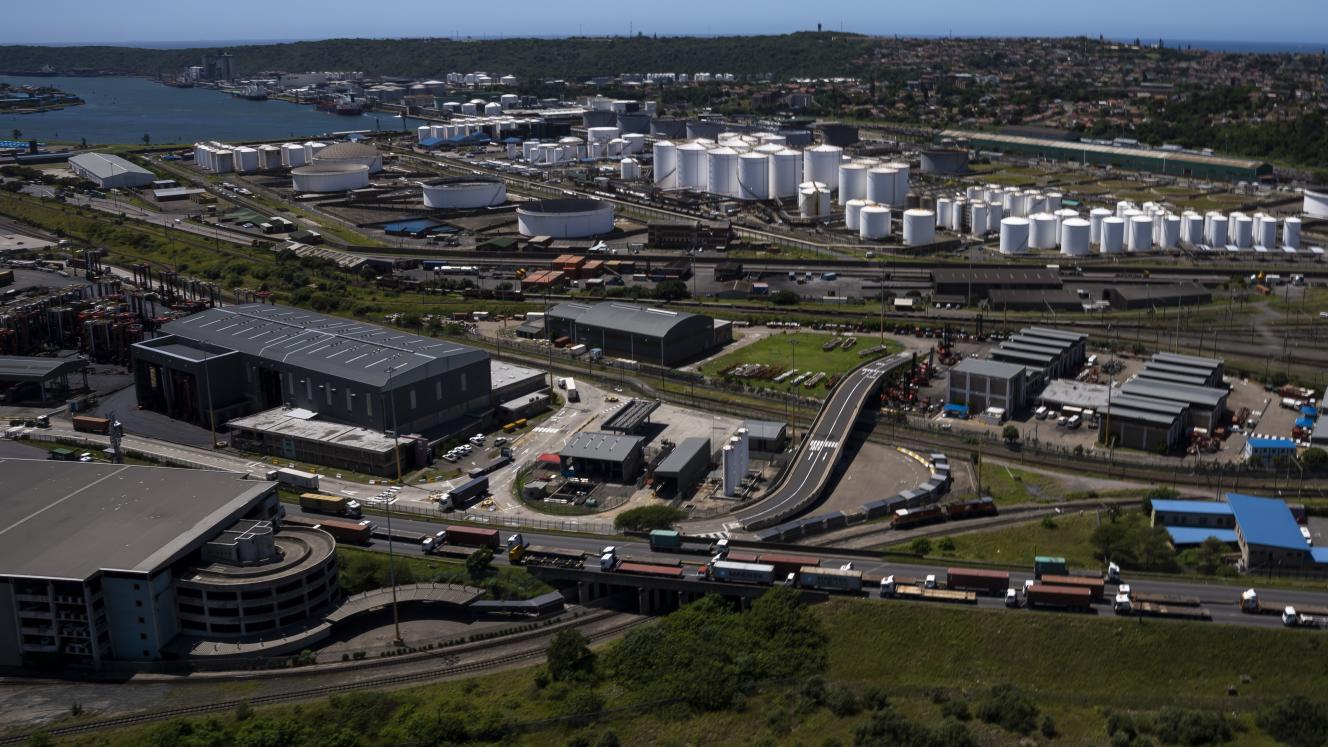
Moving coal from the Waterberg is not as simplistic as one would think – and setting a timeline to this major project is extremely difficult, Brian Molefe, Transnet GCE, said recently. “The Richards Bay coal corridor is already congested because it has to handle both coal and general freight. Opening up export capacity from the Waterberg is high on our agenda.” Whilst much money is being plunged into the project, Molefe said the first step would be to remove general freight from the Richards Bay corridor which will be achieved through the building of the new general freight link through Swaziland. The next big step, said Molefe, will be to find a solution to bypassing the Rustenburg/Brits area where the existing railway line will not be able to handle the weight of heavy freight. “This part of the line will not be able to carry 26-axle loads due to the clay soil conditions. We are therefore going to have to bypass this area to link the Waterberg miners to the coal corridor.” He said he did not foresee any of this happening before 2016. “The focus is now on the first phase which is the Swaziland loop – we have announced the project, we have turned the sod and we want to start construction, and then we can focus on how we are going to bypass the Rustenburg area.” He said the Waterberg coal reserves were important to Transnet and at the moment the company was moving coal from the Waterberg to Witbank for Eskom. “We want to position South Africa as the key thermal coal supplier in the world. To do that we are upgrading our infrastructure by investing in upgrades and expansion across the country.”
Waterberg coal logistics a priority, says Molefe
Comments | 0
© Now Media. This content is protected by copyright and may not be adapted or republished. If you would like to discuss cooperation opportunities, please contact: editor@freightnews.co.za.