Land-locked Zimbabwe
now has its own port – or a
portion of a port in the form
of a customs zone or dry
port within the Walvis Bay
harbour precinct.
Construction of the
facility is now 80%
complete.
It is the result of a
Memorandum of Agreement
signed between the
governments of Zimbabwe
and Namibia in June 2008.
A 50-year lease
agreement for the
18 332sqm parcel of land
was signed with Road
Motor Services (RMS) in
December 2009.
RMS is a subsidiary
of the National Railways
of Zimbabwe that runs
haulage trucks.
The current monthly
rent is the equivalent of
R172 959, according to the
Namibian Ports Authority
(Namport).
The premises may be
used for the purposes of
establishing and operating
a dry port, which is defined
as “an inland intermodal
terminal to operate as a
centre for transhipment
of sea cargo to inland
destinations”.
Namport is promoting
Walvis Bay as a “natural
gateway for regional trade,
as it offers most landlocked
countries in southern
Africa direct trade links
with the rest of the world,
which makes the dry port
excellently positioned.
“Dry ports are designed
to improve trade from
those countries and also
offer those sovereign
nations a dedicated access
to their market in the
Port of Walvis Bay,” says
Namport.
According to official
figures Zimbabwe is
moving around 2 500 tons
of cargo a month through
Walvis Bay.
These volumes are
expected to increase when
the dry port is completed.
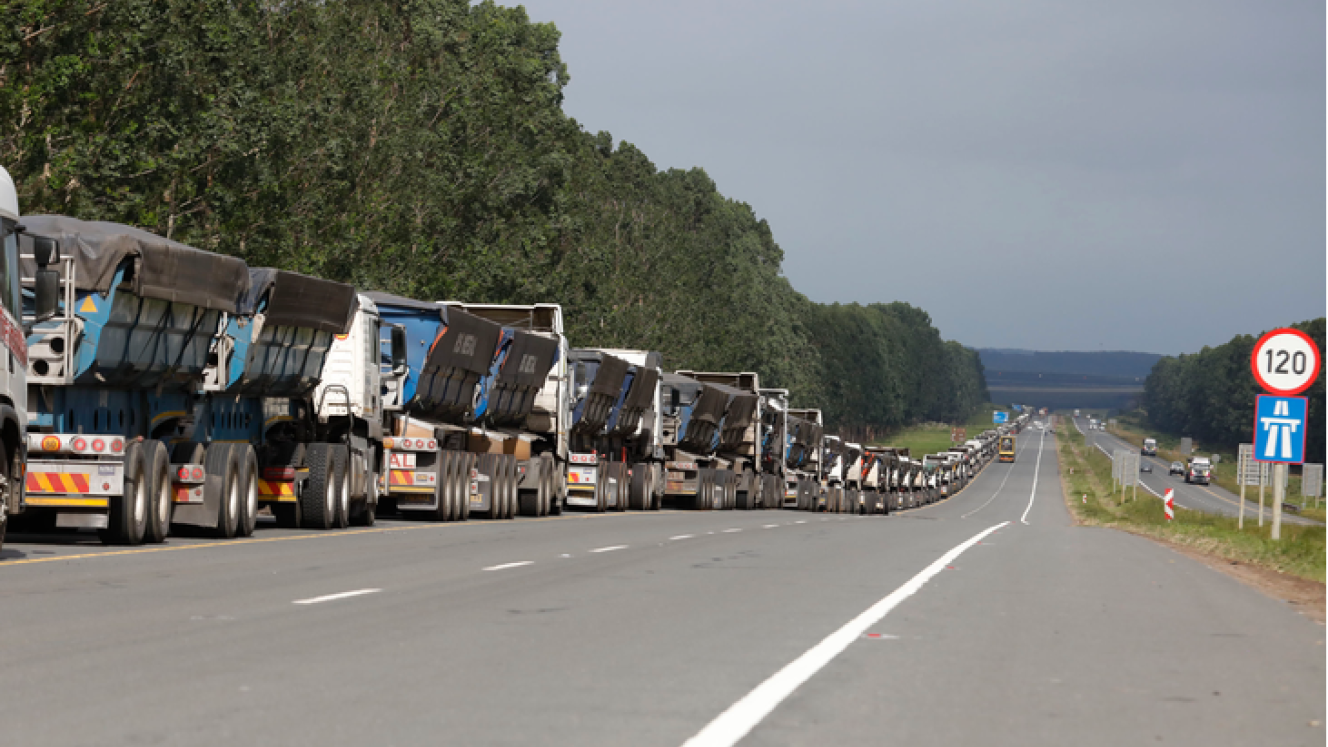
The two main trucking
routes are via Kazungula to
the north and Plumtree in
the centre of Zimbabwe.
The Plumtree route
passes through Botswana,
while there is a short
Zambian stretch at the
Kazungula crossing.
This route will become
more efficient by the end
of 2018 when a bridge
and one-stop border
post replace the current
Kazungula ferries.
CAPTION
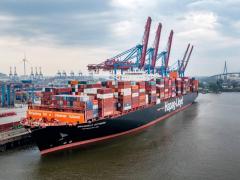
Zimbabwe dry port in Walvis Bay.
Walvis Bay provides gateway for Zimbabwean trade
Comments | 0
© Now Media. This content is protected by copyright and may not be adapted or republished. If you would like to discuss cooperation opportunities, please contact: editor@freightnews.co.za.