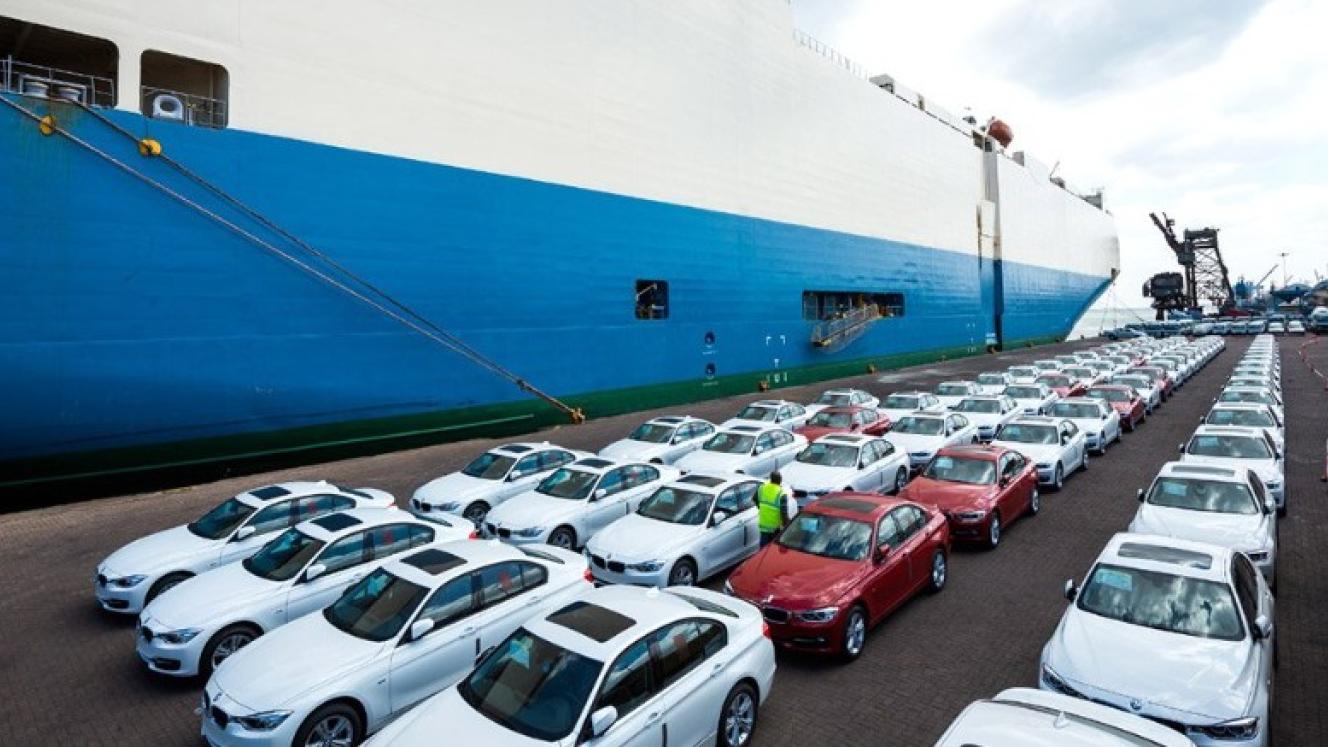
South Africa’s automotive industry achieved a significant milestone in 2025 as vehicle exports surpassed the 400 000-unit mark for the first time, reaching 408 224 units.
This represents a 4.4% increase compared with 2024, according to the latest sales data released by The National Association of Automobile Manufacturers of South Africa (Naamsa) on Wednesday.
Naamsa said export performance had been driven by a sharp 33.3% rise in light commercial vehicle exports to 153 855 units and a 68.4% surge in trucks and buses to 1 768 units, although car exports declined 8.0% to 252 601 units.
Domestic new vehicle sales also posted a strong recovery, with total industry sales climbing 15.7% to 596 818 units in 2025 – surpassing pre-pandemic levels for the first time and marking the highest volumes in a decade.
Naamsa attributed the domestic upswing to a cumulative 150bps in interest rate cuts since September 2024, record-low vehicle inflation, an influx of affordable model imports, and the liquidity injection from the ‘two-pot’ retirement system withdrawals.
Light commercial vehicles recorded a 7.8% increase to 143 637 units, medium commercial vehicles rose 5.6% to 8 151 units, while heavy trucks and buses declined 3.0% to 22 738 units.
Passenger car sales showed the strongest growth, jumping 20.1% to 422 292 units.
December 2025 aggregate industry sales reached 48 983 units – up from 41 101 units in December 2024. However, vehicle export sales for the month fell 10.4% to 26 852 units.
Naamsa noted that the European market, South Africa’s primary export destination, continued to present challenges and opportunities.
“The industry continues to monitor the European market, where a softening of the 2035 deadline to a 90% CO₂ cut (rather than 100%) provides a marginal reprieve for OEMs navigating the NEV transition race,” the association said.
“This regulatory reprieve should not be misconstrued as an opportunity for policy inertia … as the transition to clean mobility remains an existential priority, necessitating a sustained and accelerated policy review to safeguard South Africa’s export competitiveness.”
Naamsa also highlighted ongoing geopolitical risks, including potential tensions with the US administration.
“The exclusion of South Africa from the 2026 G20 gathering and legislative moves proposing a two-year Agoa extension that might explicitly exclude South Africa are being monitored closely due to the industry’s significant export exposure,” the association said.
Naamsa anticipates continued momentum in 2026, forecasting new vehicle sales growth of 9% to 11% over 2025 levels, supported by lower inflation averaging 3.3% and projected real GDP growth of 1.4% to 1.6%.
Globally, Naamsa expects China’s declining domestic vehicle sales to drive a continued “affordability influx” as manufacturers seek export growth, while the industry remains focused on securing its position in the EU market.
The association also announced that Peter van Binsbergen, CEO of BMW Group South Africa, had been elected its new president.
The board includes vice-president (Manufacturing) Andrew Kirby of Toyota South Africa Motors, vice-president (Retailing) Thato Magasa of Mitsubishi Motors South Africa, vice-president (Heavy Commercial) Jan Aichinger of MAN Automotive South Africa, and board member, immediate past president Billy Tom of Isuzu Motors South Africa.
The automotive sector contributes 5.2% to GDP, accounting for 22.6% of manufacturing output, sustaining approximately 498 000 jobs across the formal economy through multiplier effects.
In 2024, vehicle and component exports reached a record R268.8 billion, representing 14.7% of South Africa’s total exports.