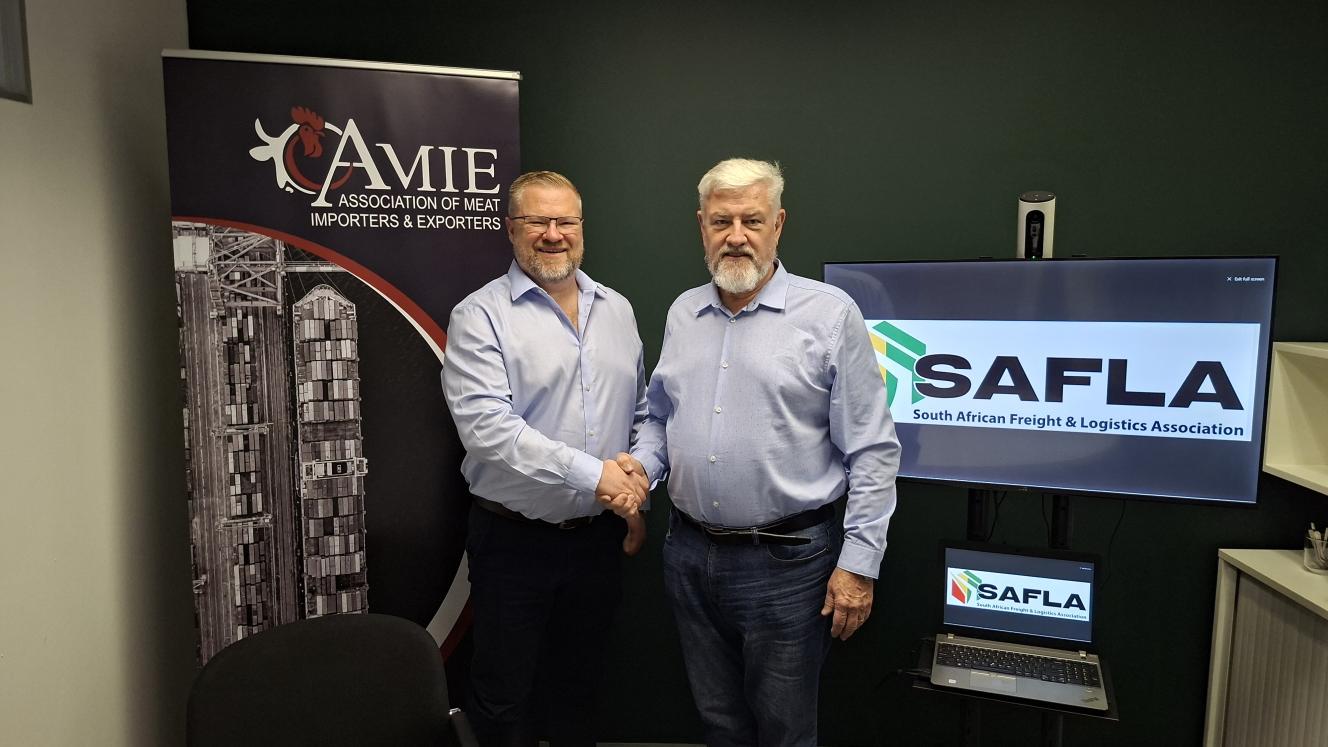
December 3 is the deadline for passenger air carriers to conduct 100% cargo screening on international flights bound for the US. According to the US Transportation Security Administration (TSA), that’s the date on which all cargo shipments loaded on passenger aircraft must undergo screening for explosives, fulfilling a requirement of the implementing recommendations of the 9/11 Commission Act. The SA airfreight industry will have to get ready to meet this demand, according to Bob Garbett, MD of Professional Risk and Asset Management and chairman of the Business Aviation Association of SA (Baasa). And, he suggested, being a known consignor is a bonus. “Screening does not automatically mean hand search, X-ray examination or sniffer dogs,” he told FTW, “but also includes the concept of known cargo. “If the consignor is not known and validated then the cargo has to go through the full screening process. If known, the cargo then goes through the security channel direct to the aircraft.” The 100% screening of all air cargo shipments bound for the US also builds additional risk-based, intelligencedriven procedures into the pre-screening process to determine screening protocols on a per-shipment basis, according to TSA administrator John S. Pistole. This process requires enhanced screening for shipments designated as higher risk, while lower risk shipments will undergo other physical screening protocols. He added that harmonising security efforts with international and industry partners was a vital step in securing the global supply chain. But it will not hinder trade movement. By making greater use of intelligence, Pistole said, the TSA can strengthen screening processes and ensure the screening of all cargo shipments without impeding the flow of commerce. Seafreight also faces the same processes, due to the law passed by Congress in 2007. But seafreight operators have a two-year breathing space. The Department for Homeland Security (DHS) has extended a two year blanket exemption to foreign ports because the required 100% scanning of every container would be too costly and cumbersome. But it is still part of the same Congressional law, and therefore mandatory. How this is solved in the next two years should make for interesting reading for the seafreight industry. Returning to the airfreight scene, Garbett told FTW that Europe was proposing a similar screening scheme. However, this is still at early stages, and no dateline has yet been announced. Whenever, he added, this will be another task for which the airfreight industry will have to be prepared and ready. CAPTION: Bob Garbett ... being a known consignor is a bonus.
US screening deadline imminent
Comments | 0
© Now Media. This content is protected by copyright and may not be adapted or republished. If you would like to discuss cooperation opportunities, please contact: editor@freightnews.co.za.