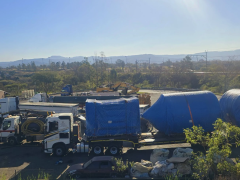
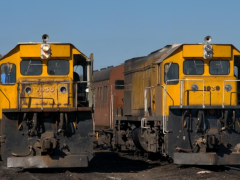
Over the past decade, Africa has witnessed an increase in foreign direct investment (FDI) from 338 new projects in 2003 to 633 in 2010 (an increase of 87%). In Central Africa and East Africa, FDI inflows rose in 2010 to reach US$8 billion and $3.7 billion respectively. These are the trends on which Spedag South Africa has developed its Africa and more specifically East Africa strategy. Continued development and upgrading of African airports – especially in far-flung rural areas – bodes well for the express air freight industry, according to Neil Harris, senior executive marketing and sales for Spedag South Africa. “We have seen tremendous development in terms of airports and airstrips in Africa, allowing access to areas that were previously close to impossible to access except by road,” he said. “This allows us to increase our capacity to these regions and to improve the service on offer.” This is especially critical when it comes to emergency freight, said Harris, one of Spedag’s areas of specialisation. “When one looks at providing breakdown emergency services to the manufacturing and mining industries, it takes ingenuity, careful planning and the understanding of what your options are into sometimes far-flung and often remote regions.” With Spedag owned offices in hubs strategically developed in Uganda, Kenya, Tanzania, Rwanda, Burundi, South Sudan, Democratic Republic of Congo and Morocco and partnerships in Djibouti, Egypt, Ethiopia, Mauretania, Namibia, Tunisia, and Zambia, Spedag has spent much time developing a seamless network for the delivery of emergency freight to difficult-to-reach places, he said. “We have honed our offering for emergency freight in the case of a breakdown – being able to deliver planned maintenance cargo quickly,” said Harris. “With more and more airlines now flying into these areas it allows us to be more competitive with rates and also more efficient in terms of delivery.” He said due to the increase in flights the company was now in a position to increase its capacity to some of the regions in the continent. “Yes, airfreight rates are still high, but we offset this by continually increasing service levels and building relationships throughout the continent. It really is all about managing the needs of the client, the urgency of the cargo and the availability of flights. We have developed tailormade deals for our customers by engaging and working with the cargo capacity providers in the market.”
Tuning into Africa’s emergency freight potential
Comments | 0
© Now Media. This content is protected by copyright and may not be adapted or republished. If you would like to discuss cooperation opportunities, please contact: editor@freightnews.co.za.