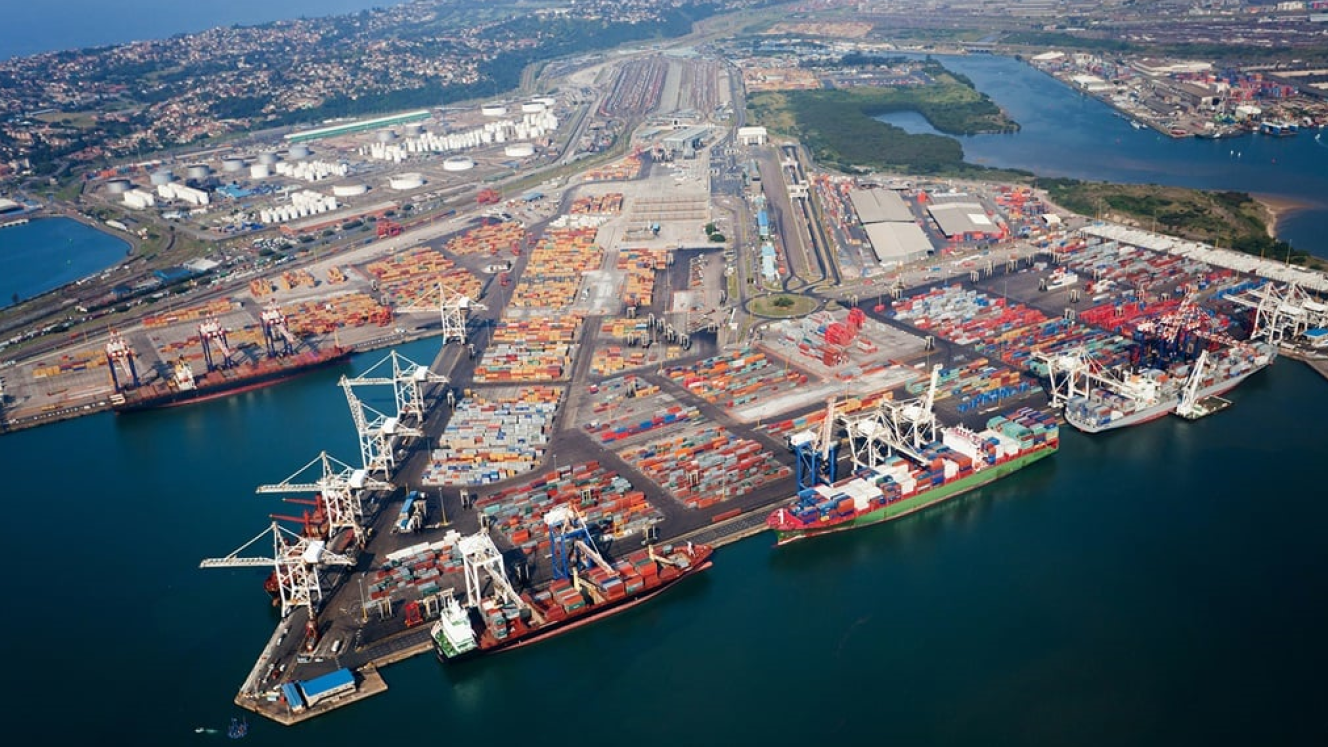
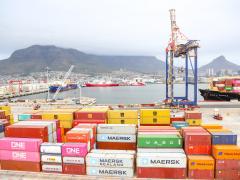
DURBAN CONTAINER truckers have hit out at an anomaly in the automated gate system (autogate) being introduced at Transnet port terminals at the SA ports. They do not object to the concept – which is designed to register all container movement and vehicle data in an electronic data interchange format, and create a paperless environment for container movement in-and-out of the port terminals. Indeed they support the costefficiency benefits that will stem from the use of the new system. But, said Andrew Robinson of Durban-based attorneys, Deneys Reitz, and legal adviser to the Durban harbour carriers’ association (DHCA), a division of the SA Association of Freight Forwarders (Saaff), one part of the system demands that truck drivers key in the necessary data – a task which is beyond their skills levels, and could incur costly liability for trucking companies if an error is made. “This new system,” he told FTW, “will require drivers to punch in a booking reference number, the weight of the container and the container seal number on entering the terminal, when delivering export containers which have not been pre-advised.” That could lead to expensive mistakes. “We understand that the entering of this booking reference number will cause the Transet Port Terminals (TPT) system to instruct drivers to deliver a container chain challenges posed by SA’s road, rail and ports network infrastructure. The overarching message from cargo owners was simple – a major increase in volumes with logistics facilities that have failed to keep pace. The impact in terms of delays is damaging the country’s reputation and constricting its growth trajectory. It was a message with which Erwin clearly identified. “Competitive transport and logistics costs must always be a key objective in a trading economy such as ours,” he said. And while South Africa has made some progress since a study conducted in 1998 by Moving South Africa which revealed that, although there were small pockets of cooperation locally, South Africa lagged way behind the USA, the UK, Western Europe and Asia in terms of supply chain collaboration and integration, much needs to be done. “Effective intermodal transport solutions, particularly between road and rail, and genuine supply chain collaboration, are critical to the efficiency of South African supply chains, which in turn are critical to industrial competitiveness,” Erwin said. “As Transnet’s emphasis shifts to growth it will be necessary to find effective working relations with shippers and to explore a range of possible partnerships with other players in the freight system.” Clearly efficiency must be ramped up in order to compete in a global market where competition is tough and will get tougher, said Erwin, who pledged his support to assisting with real implementation wherever there was a role for the DPE or government to play.
Truckers raise alarm over new autogate system
Comments | 0
© Now Media. This content is protected by copyright and may not be adapted or republished. If you would like to discuss cooperation opportunities, please contact: editor@freightnews.co.za.