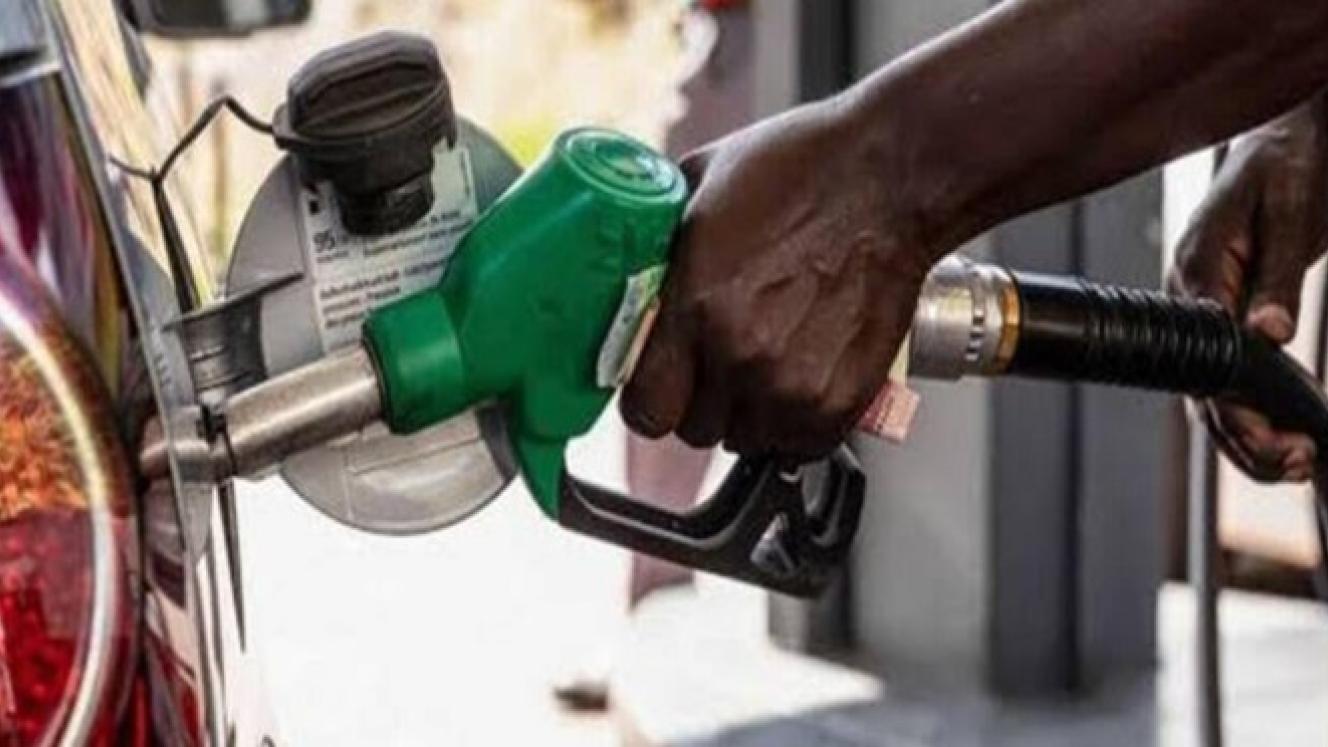
South African transporters and civil society have welcomed the extension of fuel levy relief into May and June but warn steep fuel price increases expected next month will continue to exert severe pressure across the economy.
The National Treasury confirmed on Tuesday that the temporary reduction in the general fuel levy, initially introduced in April, would be extended, with additional adjustments to cushion consumers and businesses from sustained global oil price shocks linked to the Middle East conflict.
It proposed that the R3 per litre fuel levy reduction on petrol be extended until June 2, while diesel receives deeper relief of R3.93 per litre (effectively reducing its levy to zero) from May 6 to June 2.
For June, the relief will be phased down by half, with petrol receiving R1.50 per litre relief and diesel R1.96 per litre from June 3 to June 30. From July 1, the temporary measures fall away entirely, with the general fuel levy returning to R4.10 per litre for petrol and R3.93 per litre for diesel.
The intervention is designed to provide short-term relief but both the Organisation Undoing Tax Abuse (Outa) and the Road Freight Association (RFA) have stressed that the measure underscores deeper structural and fiscal challenges.
Outa CEO Wayne Duvenage described the extension as necessary but insufficient on its own.
“Government’s decision to extend this relief is both necessary and welcome, but it must also serve as a wake-up call.
“South Africa cannot continue managing fiscal pressure through temporary interventions alone. This moment should force government to intensify efforts to eliminate wasteful expenditure, cut unnecessary projects, and improve overall public spending discipline.”
Outa warned that continued reliance on short-term fiscal measures risked masking systemic inefficiencies. The organisation called for improved transparency around the country’s strategic fuel reserves, arguing that these could play a more active role in mitigating price shocks.
“Greater transparency around strategic fuel reserves is essential. South Africans deserve to know what resources are available, how they are being managed, and whether these assets could play a more effective role in cushioning the country against fuel price shocks,” Duvenage said.
RFA CEO Gavin Kelly highlighted the importance of the extension to support for an already strained transport sector.
He said the decision would provide temporary breathing room for operators facing mounting cost pressures.
“It is great news for the road freight industry. Firstly, it allows some breathing space for struggling transporters (by not having a larger increase on top of the April increase) and secondly, it lessens the blow in May – that search for cash-flow and already certain revenue pressure.”
Kelly said the phased approach to withdrawing the relief could offer some flexibility in the coming months.
“It may allow for some claw-back should there be lower increases in June. There is, of course, the knowledge that the (reprieves of) R3 in April and the R4 in May will be ‘reclaimed’ at some stage. That may translate into smaller decreases to help with the absorption of the ‘relief’ later.”
However, both organisations expressed concern about the scale of expected fuel price increases in May, which threaten to offset much of the benefit of the levy reduction.
According to projections cited by TopAuto, petrol prices are likely to rise by between R1.82 and R2.14 per litre, while diesel could surge by nearly R6 per litre. These increases are attributed to ongoing supply disruptions in global oil markets.
Brent crude prices have surged above $115 per barrel, driven by geopolitical tensions and supply constraints. Trading Economics noted that “ongoing US-Iran tensions and the effective closure of the Strait of Hormuz continue to tighten the supply outlook,” describing the situation as the “largest supply shock on record”.
Diesel price increases, in particular, have a direct and immediate impact on transporters’ operating costs, with knock-on effects throughout the supply chain.
“There’s just no appetite or room for further fuel hikes,” Kelly warned.
“Fuel hikes are not limited (in the effect) on transport companies only. These hikes affect everything in the consumer supply chain that has any form of petroleum-based supply or component. There is great trepidation for further fuel price increases. Business closure will become a reality – across the board.”
The National Treasury said the relief measures were revenue-neutral and would be offset through higher-than-expected tax revenue and underspending. However, the estimated R17.2 billion cost of the intervention highlighted the fiscal trade-offs involved.