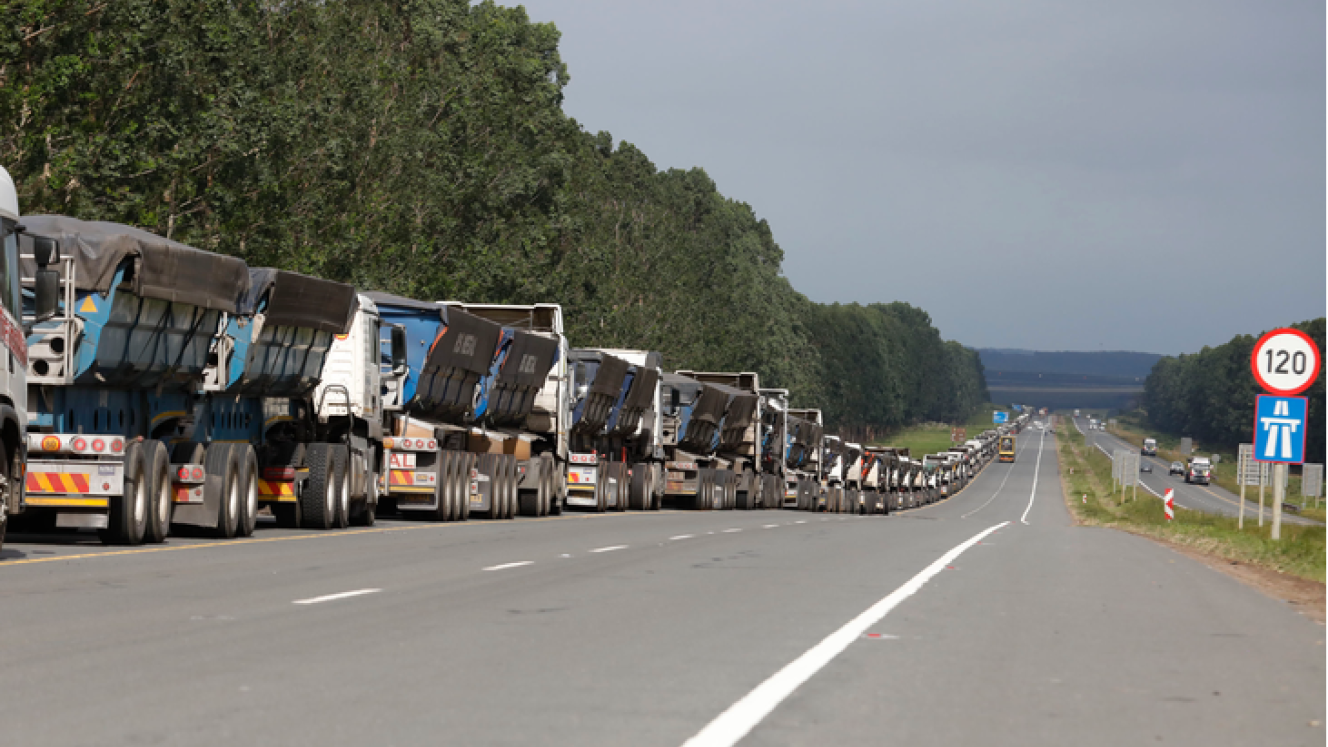
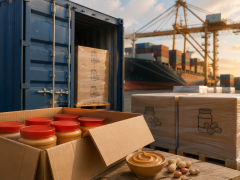
As Zimbabwe limps back into contention as a key player on the African continent – with the Reserve Bank of Zimbabwe (RBZ) reporting an ongoing narrowing of its trade balance earlier this month – are logistics operators seeing an increase in demand? For GSF Trucking MD, Dhiren Krishna, the answer is a resounding yes. He told FTW that the company had seen a “marked increase in volumes” since the new government was sworn in. “The significant increase in number of enquiries that we are receiving – particularly from global freight forwarding companies for the day-to-day business – and the number of tenders that we have been invited to bid on for turnkey projects and contracts is a good indication of the envisaged growth in Zimbabwe for the roadfreight sector,” he said. What was “particularly encouraging”, said Krishna, was the fact that enquiries were coming in across all sectors, including container shipment, breakbulk, cold chain and abnormal cargo. “The volume of chrome ore, nickel, citrus and tobacco on the outbound routes, and fertiliser, mining and industrial equipment, medical supplies and food and consumer goods on the inbound routes is a clear indication that Zimbabwe is well on its way back,” he said. According to Krishna, the “powers that be” in the freight/logistics sector are beginning to see that Zimbabwe’s position as a land-locked country – a perceived weakness in the past – is actually a strength for South African logistics service providers, in that it links Malawi, northern Mozambique and Zambia to the key trade routes out of South Africa. He pointed out however that efficiency in border crossing was still a major barrier to trading with Zimbabwe. “Although there seems to be a concerted effort to speed up border crossing, inconsistency and frequent breaks in the internet connections between Harare and the various border posts is still a major factor in borderrelated delays.” He said that Beitbridge remained “by far” the most challenging border to cross. GSF mitigates this by ensuring that the import/export documentation is prepared prior to loading. “Furthermore, we work with our agents to ensure pre-clearance is done while loading and that clearing is completed (as far as possible) prior to the goods’ arrival at the border,” explained Krishna.
CAPTION
Enquiries are coming in across all sectors, including container shipment, breakbulk, cold chain and abnormal cargo. – Dhiren Krishna