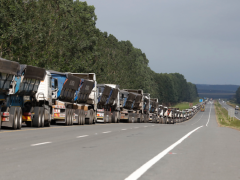
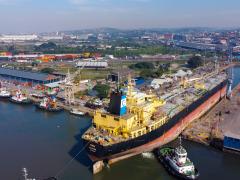
MBABANE – Talks between the Swaziland Electricity Company (SEC) and four Independent Power Producers (IPPs) to wean the country from its dependency on power imports from Eskom are at an advanced stage. With the IPPs committed to a combined R5.3-billion investment in the country’s power industry and none of the components or materials to do the work available locally, the creation of a nationwide electricity production capacity should prove a bonanza for the transport industry. “We need to coordinate with the police force how best to expedite abnormal loads because so much will have to be brought in by road. I can see (Swaziland Railway) being pressed into service once the line to Gauteng opens in a few years, but mostly it will be by road,” said a source at the Ministry of Transport. Swaziland purchases 80% of its electricity from Eskom. 10% is locally produced via some small hydroelectric plants and the big sugar plantations that generate electricity themselves from ethanol they distil from sugar cane and sell the surplus electricity to the SEC. The remaining 10% comes from Mozambique’s power company Electricidade de Mozambique (EdM). In 2007 legislation that established the SEC called for the privatisation of the energy sector. Little was done until the business community rose up demanding action during the recent elections in SA. The Democratic Alliance (DA) campaigned on a platform of easing SA’s domestic energy crunch by stopping Eskom exports to neighbouring countries. “If Eskom shut off the power supply now, when we aren’t ready, it would not figuratively but literally cast Swaziland back into the dark ages,” said Sandile Lukhele, an Mbabane consultant who works with local firms on their energy needs.
Transport bonanza from Swazi power switch?
Comments | 0
© Now Media. This content is protected by copyright and may not be adapted or republished. If you would like to discuss cooperation opportunities, please contact: editor@freightnews.co.za.