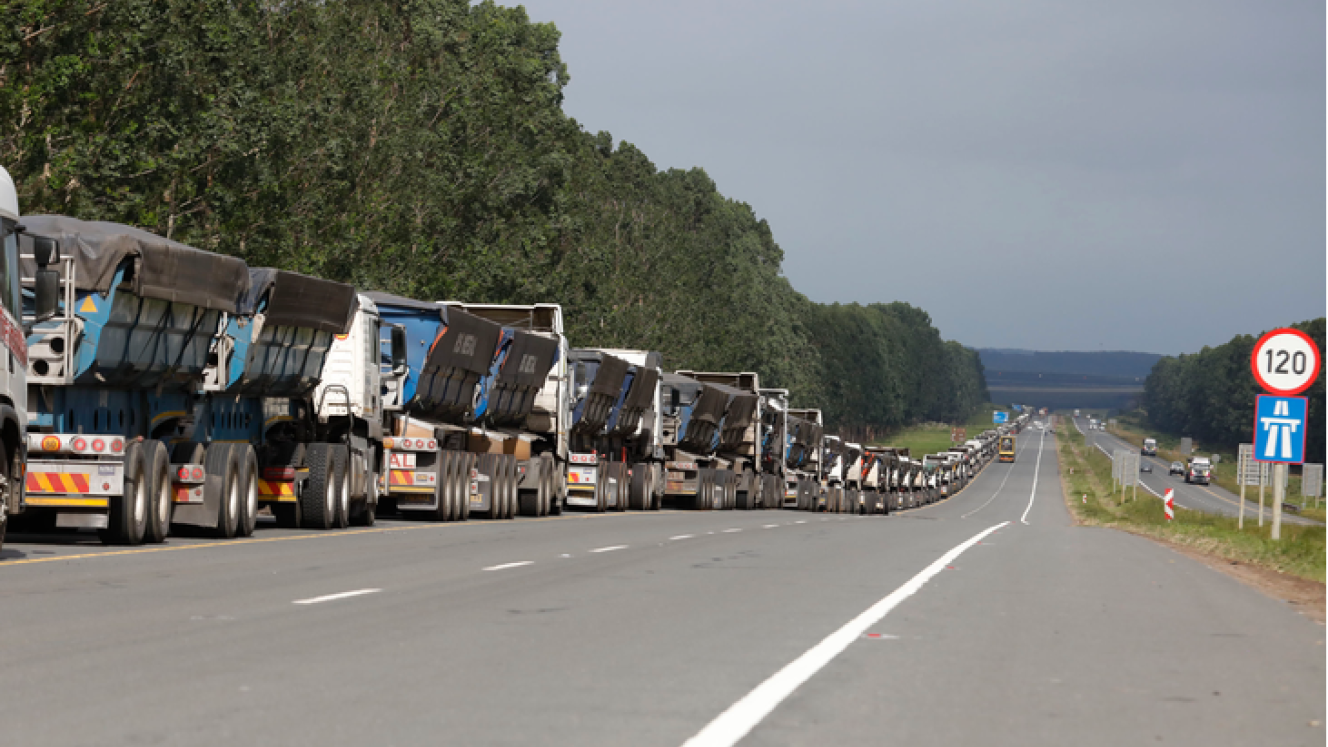
Zambia is set to upgrade a section of its railway line, which links its copper mines with the port of Durban, a move that Transnet welcomes as part of its Africa vision, said Cleopatra Shiceka, general manager at the CEO’s office of Transnet. Zambia’s finance minister, Alexander Chikwanda, said on September 14 that the country was set to invest $120 million to revamp the rail line. This money is part of the funds raised by the country through a $750-million Eurobond. Zambia, the largest copper-producing country in Africa, exports the majority of its copper through the port of Durban, but to date mining companies have abandoned the rail for road transport because rail transport has been unreliable. The impact on the South African rail network has been built into Transnet’s seven-year investment plan, Shiceka told FTW. Therefore, she said, users of the network on the coal corridor and to the port of Durban need not fear bottlenecks or capacity constraints because of the new traffic from Zambia. “We have a relationship with Zambia, as with a number of other African countries, where we frequently meet to discuss expansion plans in terms of railroads, ports, and so forth, to ensure that we include in our long-term plans crossborder traffic,” Shiceka said. “Our Africa strategy is to work together with our neighbours to have comprehensive, coordinated plans for cross-border needs. So Zambia’s plans would typically be included in our investment strategy to ensure that trains can run through without stoppages or causing bottlenecks,” she said. She said copper freight from Zambia would not go through the coal corridor, but would rather be taken via the Natal corridor to the Durban port. Transnet is responsible for the maintenance of its rail network. To ensure that traffic from Zambia and any other African country does not erode the infrastructure unnecessarily, or cause morethan- expected additional maintenance, Transnet has a set of guidelines to which rolling stock must comply. “As the trains cross the border, both network operators would have inspections and ensure the trains adhere to the Transnet guidelines,” Shiceka explained. It is unclear when Zambia intends to start with the upgrade, and how long it will take before it becomes operational. Also, it is not known how much copper will be transported via rail to Durban once the rail line becomes operational. However, Zambia is expected to produce 976 733 tonnes of copper this year, compared with 789 382 tonnes last year, and projections are that production will increase in the years to come as demand for the metal surges. Most of the metal goes for export from the Durban port, but Shiceka remains confident that TFR can handle it. CAPTION Cleopatra Shiceka ... 'Coordinated plans for cross-border needs.'
Transnet welcomes Zambia-Durban rail upgrade
Comments | 0
© Now Media. This content is protected by copyright and may not be adapted or republished. If you would like to discuss cooperation opportunities, please contact: editor@freightnews.co.za.