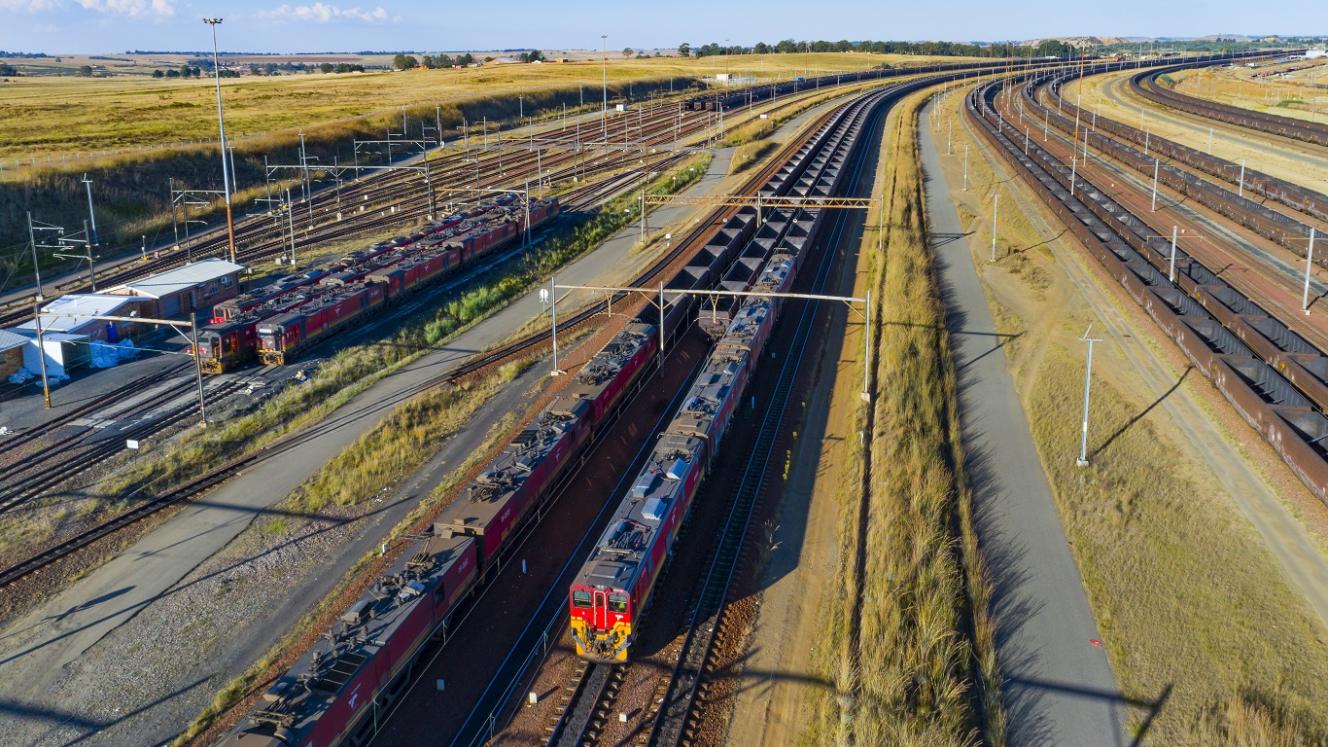
Road and rail should be complementing each other when it comes to the transportation of freight in the country, according to Robin Carlisle, MEC for Transport and Public Works in the Western Cape. “Unfortunately in South Africa we have a dysfunctional rail system and road carries nearly all of the freight resulting in government having to continue investing in road,” he said. “We are spending billions on upgrading and maintaining our roads – like the Gauteng Freeway Improvement Project – with the result that road continues to have to do work that it is not really equipped to do.” “We need an affordable, reliable and frequent train system to move more freight. Several years ago Transnet was carrying at least 30% of the freight in the country, now they are carrying some 17%. We are clearly in trouble.” According to Carlisle, a study of the national freight situation last year found that the country had restricted capacity and there was a clear lack of integrated planning with wasted efforts and resources. “Effectively what happens is monopoly pricing for comparative goods and the movement of those goods. At least 80% of the bananas produced in this country are shipped out of Cape Town and brought there by truck. Nearly everything brought into our ports is brought in by truck. There is no doubt that we need to address the problems within Transnet and find a rail solution for the country. Transnet at this stage is a deadweight on all the corridors.” Carlisle said it was difficult to understand how South Africa had got into the mess in which it found itself, but the bigger issue was how to get out. Carinda Slabber, general manager: group commercial and freight corridors for Transnet, said major investment into the rail infrastructure was under way. “The freight operation is still very new and yes, it may not always be running efficiently in all areas, but we are changing the face and improving every day. We are upgrading our assets and increasing our throughput and efficiency.”
‘Transnet investments are addressing infrastructure shortfall’
Comments | 0
© Now Media. This content is protected by copyright and may not be adapted or republished. If you would like to discuss cooperation opportunities, please contact: editor@freightnews.co.za.