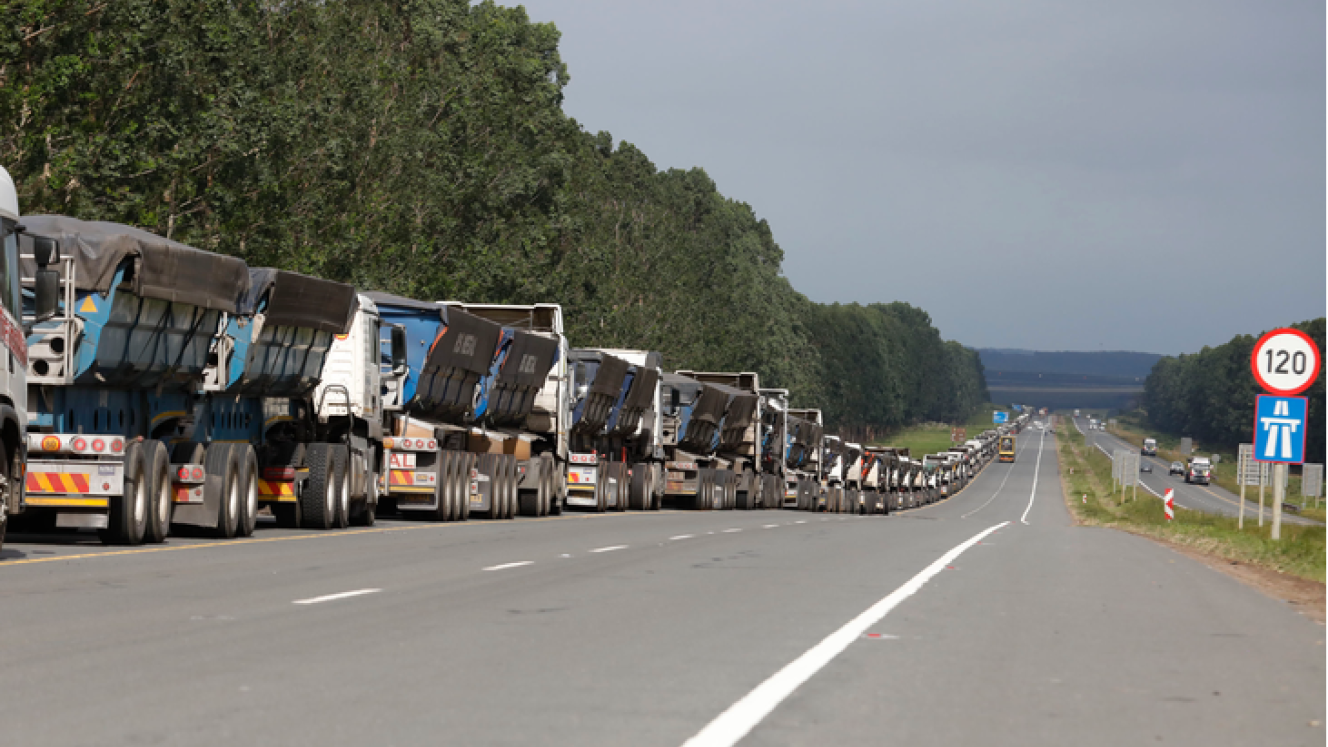
As part of a new holistic logistics strategy, Transnet is working on a concept to deliver a real-time integrated view of the entire South African transport logistics chain.
According to Mmutle Lentle, chief information officer at Transnet National Ports Authority (TNPA), a number of global trends have been impacting on the South African port environment with consolidation and rationalisation requiring a different way of thinking from the port authorities.
“To be specific the investment that we have made as Transnet in our Market Demand Strategy programme was around infrastructure,” he said. “It was about the custodial assets and making sure we provide infrastructure ahead of demand.” But, he said, a number of other trends were affecting the port sector and requiring attention. These included globalisation, increasing competition, more alliances between companies, growing containerisation, bigger vessels, security and technology.
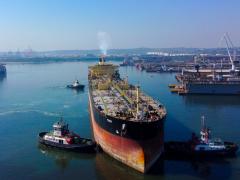
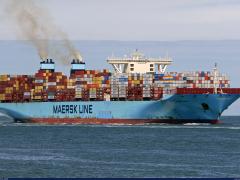
He said this had required Transnet to look carefully at port capacity utilisation and optimisation in recent times as well as the depths of its berths. “We did not plan for bigger vessels and most of our ports are not able to accommodate these very big ships. By design we are still caught in the configuration we planned for many years ago, and so adressing that has become a priority,” he said. Ports, however, were facing disruptions just like most other industries and had to ensure they were able to remain viable in a smarter world where hyper connectivity, cloud computing, big data, virtual reality, robotics and artificial intelligence were fast becoming the new norm.
“Virtual reality, for example, is something that we are looking at for our ports. People can tour the entire port without ever leaving the comfort of their homes,” he said. It was with this in mind that the organisation had started looking at a more integrated concept involving the entire logistics chain. “It is about creating a holistic interchange of information between all the role-players,” he said.
Lentle said that connected logistics ultimately meant intelligent operations. This would be a game-changer for the country. “If we look at developments around the world and where China is involved in creating hubs it becomes obvious that southern Africa is being left out of it all – and so our very first task is to make sure we are competitive.” He said to do that the ports needed not only to have information but also the ability to provide it across the supply chain. “We all need to share the information in real time. The systems are available. We need to get our information talking with the rest of the industry’s information.”
He said a key element of this new strategy was to develop integrated planning systems where everyone was able to gain value from the visibility. “Process discipline is just as important as integrated planning. There has to be a value chain approach across Transnet divisions but also the other role-players in the industry – not just Transnet. We have to communicate better.”
If we look at developments around the world and where China is involved in creating hubs it becomes obvious that southern Africa is being left out. – Mmutle Lentle