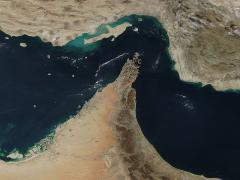
THERE IS a hive of trade taking place between SA and the Middle East. But most of it is in exports from the Middle East, with SA’s primary imports from the region being energy-based – in other words, mostly oil. As such, the trade balance is predominantly in the Middle East’s favour according to Lizanne Case, business analyst: import export economics at First National Bank. According to customs’ figures she released to FTW, SA imports from the Middle East in 2006 totalled R56.72-billion (See graphic) and rose to 65.11-bn in 2007 – an increase of just under 14.8%. SA exports to the Middle East in 2006, however, only totalled R14.78-bn, and clambered up 16.9% to R17.28-bn in the next year. That left a 2006 trade gap of R41.94-bn which was bumped up to R47.84-bn in 2007. SA ranks 14th in terms of destination countries for Middle East exports – but only 29th as a Middle East import supply market. Three of the significant trade partners are Saudi Arabia, Iran and the United Arab Emirates (UAE) – with the first two important oil suppliers, and the latter now an important market for SA exports. This country has also recently signed a memorandum of understanding (MoU) with the Saudi Arabia Chamber of Commerce and Industry that will see the establishment of a joint business council. A number of SA companies, including oil giants Sasol and PetroSA, have invested in the Iranian petrochemical sector, while significant Iranian interests in SA include property development. Case said the developments in the oil markets included a Gulf Co-operation Council (GCC) common market integration plan consisting of a customs union established in 2003, and an economic and monetary union for which the deadline is 2010. The common market will allow for free movement of goods and services, labour and capital flows.
Trade balance favours Middle East as oil dominates
Comments | 0
© Now Media. This content is protected by copyright and may not be adapted or republished. If you would like to discuss cooperation opportunities, please contact: editor@freightnews.co.za.