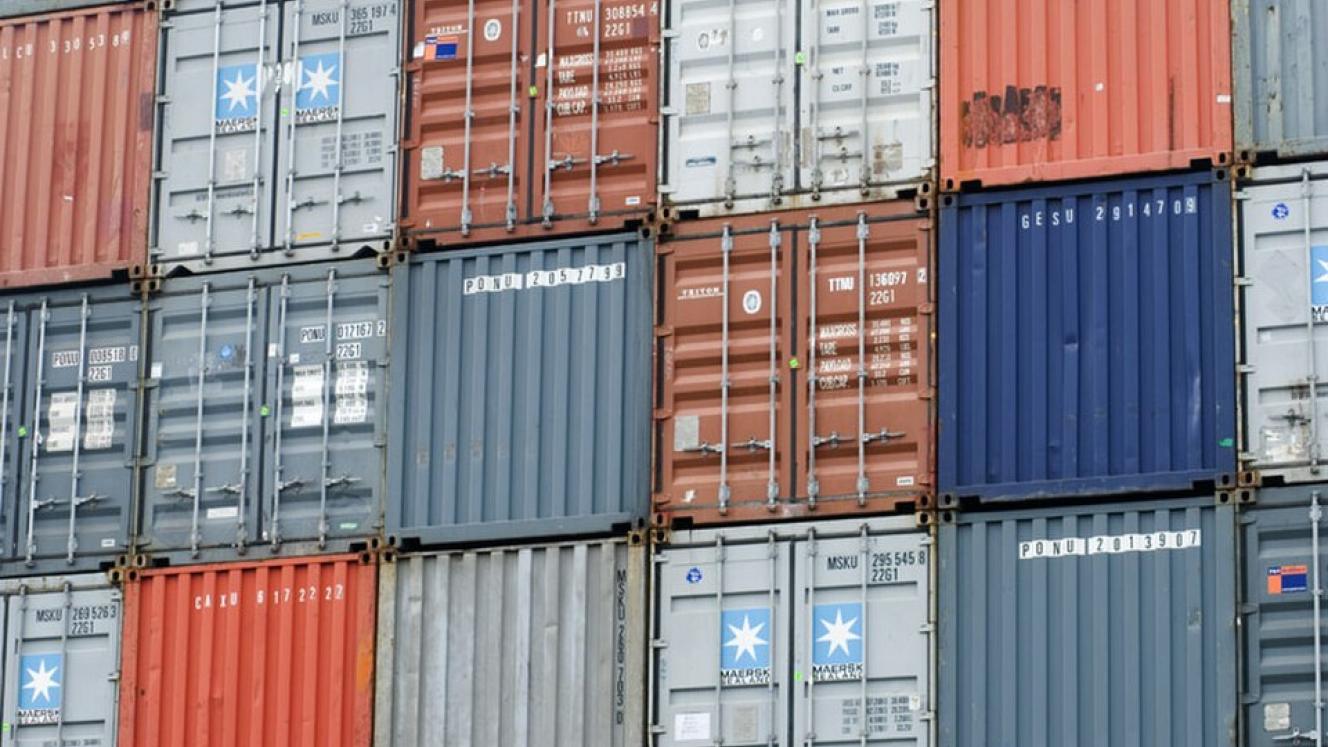
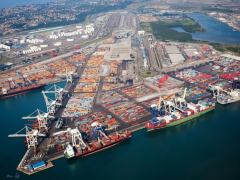
The current rate of traffic growth through the port of Durban could lead to a log-jam, according to Chris Matchett, Transnet National Ports Authority (TNPA) executive head infrastructure. He added that container volumes at the port were growing at a rate of about 6% to 8% a year, and this, he suggested, would soon outstrip Durban’s productive capacity. Indeed, he told FTW that before the global recession saw trade volumes diminish, fingers were often pointed at the port even then as being unable to handle the volume. Certainly, congestion at Africa’s biggest container port is no new word, and has been prompting the port authorities to search for added container space. The most obvious area is the current container terminals site at the Bayhead end of the port. It’s already being eyed by TNPA as the first step in any expansion. But it’s likely to be a long-term option, according to Matchett, and will still only provide limited extra space. The primary alternative is the now long-standing idea of using the Durban airport – and converting it not only into container, liquid bulk and vehicle terminals, but also digging out a new harbour area. It’s going to cost, Matchett acceded – “hugely more expensive than the new deepwater port at Coega” (itself estimated at well over R10-billion). Matchett says it is his understanding that Transnet is talking to the owner of the Durban airport, the Airports Company SA (Acsa), on the possibility of developing the land. It was common knowledge that Transnet used to have the first option on buying the airport site – but apparently let this lapse. However, FTW believes that – since the new larger-capacity King Shaka International Airport opened in May, and replaced the old Durban airport – Transnet has again let Acsa know that it is still interested. Talk is that the latest planning includes the harbour plan, along with an automotive industry development area, which would take into account Toyota’s long-rumoured interest in the site. Durban city manager, Mike Sutcliffe, has also publicly supported this concept. It has also been suggested that the present container area and the added facility at the new port could be joined using an overhead monorail system. This is seen as being a better, and considerably cheaper, option than purchasing the expensive, industryowned land needed to link them with a highway.
TNPA continues to eye old Durban airport
Comments | 0
© Now Media. This content is protected by copyright and may not be adapted or republished. If you would like to discuss cooperation opportunities, please contact: editor@freightnews.co.za.