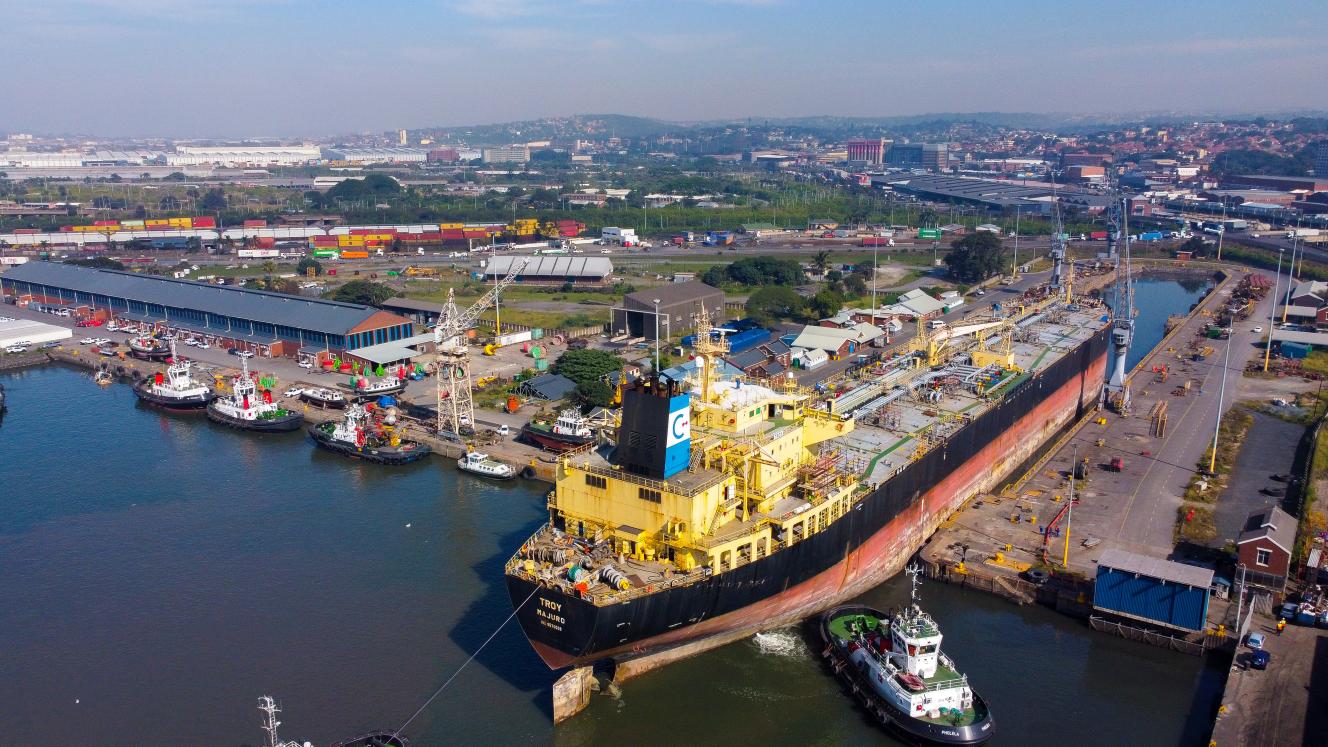
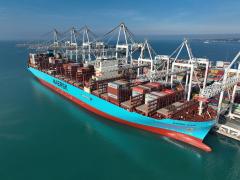
The final version of the new Transnet National Ports Authority (TNPA) tariffs for 2011/12 has just been published, and the ridiculous three digit increases for certain individual tariff groups of products have disappeared – and been replaced by increases of 4.49%, the general increase recommended by the Ports Regulator (PR). This is quite a come-down from the TNPA which, in its original application to the PR, wanted a general average increase of 11.91% – but which hiked some of the individual tariffs by massive amounts. Among some of the bigger export products from SA that were affected, the liquid bulk molasses tariff leapt up by an enormous 864.60%; breakbulk logs by 644.8%; and dry bulk timber woodchips by 612.37%. Even at the lower end of the scale, the big SA export of dry bulk chrome ore saw its proposed tariff walloped up by 117.2%. The exporters of these, and other products that had been hit with inordinately high individual tariff increases, immediately made serious complaints to the PR – also expressing the fear that certain of these big export businesses could get blown clean out of the water. And the PR, in turn, made a legal statement that implied that TNPA had no right to push up these individual tariffs by such enormous amounts. After months of serious legal thinking, TNPA has now come to the conclusion that the PR decision stands – and has increased all its tariffs by no more than the recommended amount of 4.49%. Expressing his satisfaction with this decision by the port landlords, Andrew Robinson, director of lawyers Deneys Reitz and a specialist in maritime matters, said: “In my view this is the correct approach and the appropriate response to the PR’s recommendation.” But he continued to adopt a critical stance at what he termed “the lack of consultation between the TNPA and its customer base” before it decided in its original application to push up some individual tariffs by astonishingly high percentage increases – a matter that was also complained about by the PR in its official response. Robinson described as “surprising” the apparent lack of transparency by the TNPA in compiling its tariff for 2011/2012 – and “its failure to communicate with those industries and stakeholders that would have been hardest hit by the individual tariff adjustments or realignments.” But he hoped that TNPA would remedy this lack of consultation in its future decisions about rates and tariffs. “I have no doubt that TNPA will continue with their work on their realignment of the tariffs,” he added, “but hopefully they will adopt a much more transparent and consultative process with the relevant stakeholders.”
TNPA abides by Regulator’s ruling
Comments | 0
© Now Media. This content is protected by copyright and may not be adapted or republished. If you would like to discuss cooperation opportunities, please contact: editor@freightnews.co.za.