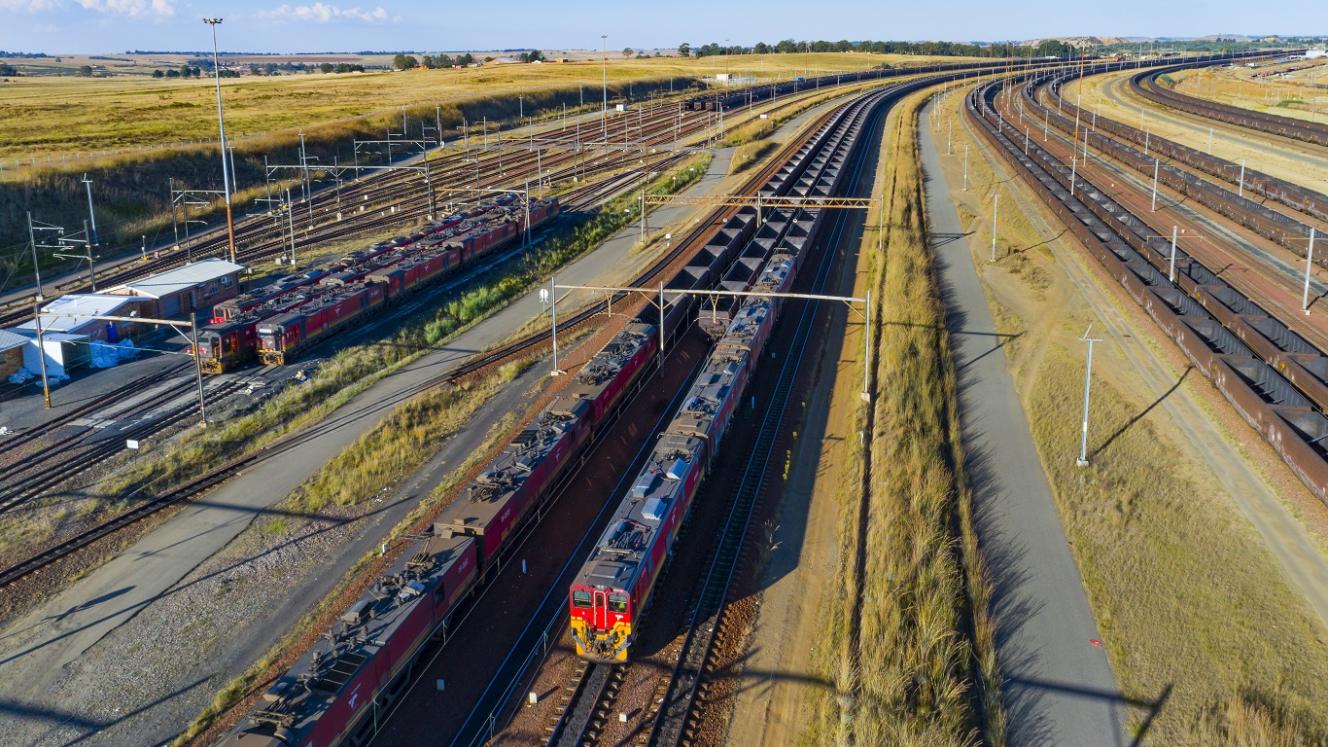
THE ZAMBIAN economy is booming, says roadfreight specialist Transit’s managing director Robbie Forbes, and this creates major opportunities for Zambian-based procurement agencies and internal distribution networks with warehousing facilities. The major challenges, however, are to obtain and supply sufficient vehicles for the excessively high demand being experienced for the conveyance of mining equipment, construction materials and containerised foodstuffs at freight rates that compensate sufficiently to ensure the haulier’s business longevity. Transit specialises in the roadfreight of all perishable and dry foodstuffs, both within and from South Africa to Zimbabwe, Zambia, Mozambique and Malawi. The company deals mainly with exports from South Africa of both locally-manufactured and imported goods and is geared to deal with all commodities available for export from, and imports to South Africa. According to Forbes, “the mode of freight chosen by a freight forwarder should at all times be that which is best suited to the type of commodity and delivery expectations of the consignee, similarly commensurate with the fee the payee is prepared to pay”. But this is based on the presumption that all modes listed (air, road and rail) are capable of performing in terms of normal first world expectations. This includes the availability of the expected infrastructure and equipment and having suitable staff with the necessary qualifications to expedite the required service. “But,” he says, “sadly this is not the case where rail is concerned, thereby creating unnecessary false roadfreight economies should rail at any time in the future live up to expectation.” Transit uplifts from any port as required by the client. Present volumes are focused on exports from Gauteng and Cape Town northwards, and to both Gauteng and Durban for commodities uplifted from Zambia, Zimbabwe, Malawi and Mozambique. Forbes is very optimistic about the future. “We have to be, it takes up to five years to pay for a truck and trailer,” he says with his tongue firmly in his cheek.
‘The challenge is finding enough vehicles Central location offers strategic opportunities to match demand’
Comments | 0
© Now Media. This content is protected by copyright and may not be adapted or republished. If you would like to discuss cooperation opportunities, please contact: editor@freightnews.co.za.