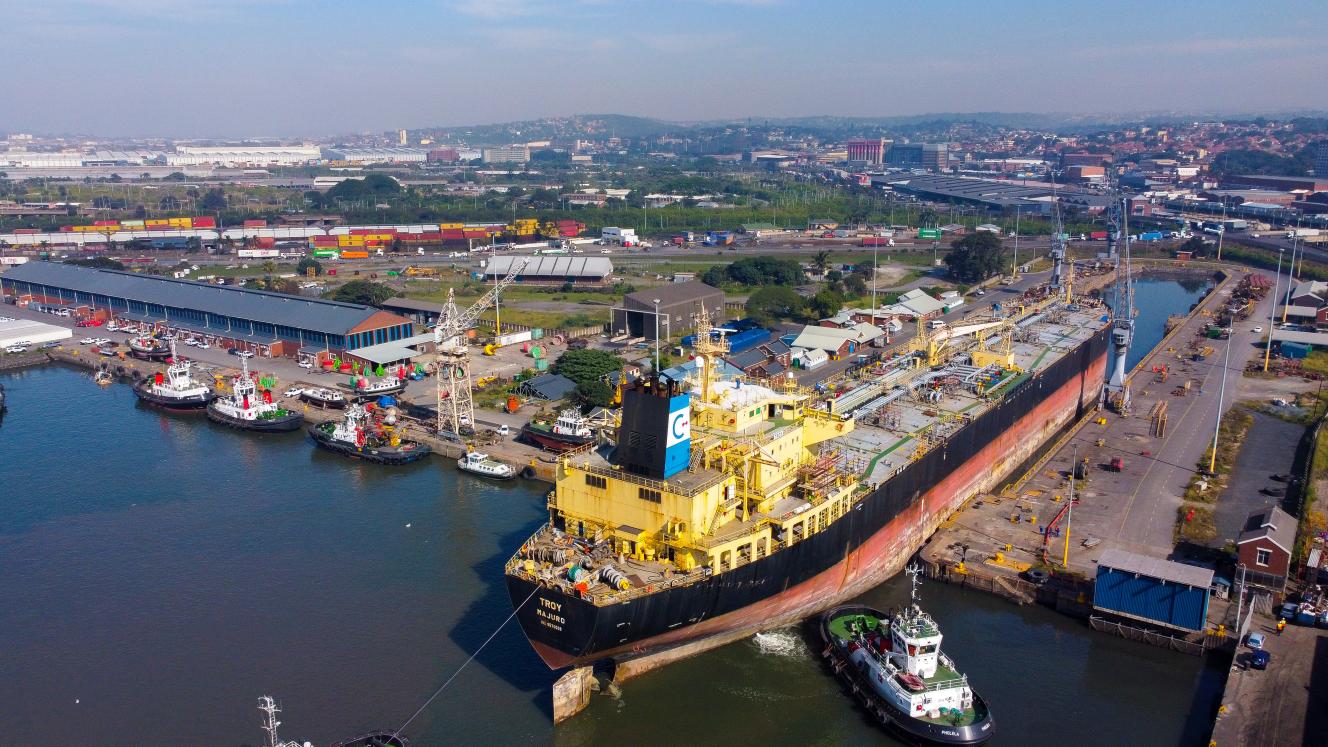
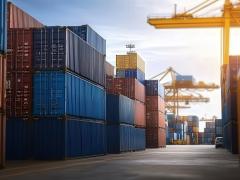
Transnet Freight Rail will use private sector rail sidings and stacking facilities where necessary to address capacity constraints as an unexpected increase in demand places huge strain on its facilities – especially at the City Deep inland port. Bheka Xaba, TFR executive manager, last week told FTW that demand at present far exceeded capacity, and despite the criticism being levelled against the organisation, it was a good problem to be facing. “We have a four-year strategy in place and we are now in the second year. What we have seen in recent months though is that growth that was only expected in 2012 is happening now and we have suddenly had to find quick-fix solutions – and that requires thinking out of the box.” According to Xaba, TFR has had several meetings in recent months with industry role-players to address concerns and to find solutions to the capacity crisis. “Our strategy is not sitting somewhere gathering dust. It is being implemented and there are aspects of it that will now have to be fasttracked to meet demand.” One such aspect is the planned expansion at Kaserne, close to City Deep. “We have started work on the landfill site at the facility where we are in the process of stabilising the ground and developing the area. A sum of R40 million will be spent here which will include a slab being built that will allow for stacking as well as an area that can handle empty containers,” says Thuthuka Dladla, senior manager – inland intermodal & automotive operation. “Finding a solution to the problems we have experienced around empty containers is high on the agenda. We plan to handle empty containers at this facility and believe it will relieve the pressure on the City Deep terminal.” Empty containers have been a bone of contention with claims that TFR has a continuing inability to move empty boxes out of City Deep by rail. The change in industry dynamics of loading 6m containers with 27.5tons of mineral mining products that was encouraged by plate-rated containers has caused huge displacement in capacity, says Xaba. “For example, import containers in South Africa are mostly lights and heavies, therefore 2x6m can be accommodated per wagon. However on exports an extra heavy 6m container has to be centre loaded as one per rail wagon. Therefore our rail wagon capacity has been halved when moving extra heavies. This we believe is not only a TFR problem but rather one on which TFR and the industry has to collaborate and jointly find a solution.” In response to this TFR initiated an upgrade programme of 60ton wagons in 2007. So far 1200 have been built and further Capex of R60m for additional 60ton wagons is being investigated. “Kaserne expansion was only on the cards in 2012, but due to the demand, we have to address it now,” says Xaba. “We will spend at least R15 million in 2010 on this facility.” Other constraints on capacity include physical stacking capacity, rail terminal handling capacity, wagon distribution and utilisation as well as management of order taking. According to Xaba these were all addressed following a meeting with industry stakeholders several weeks ago. In the meantime the organisation is also streamlining operations in an effort to turn trains around faster to ensure wagon distribution and utilisation improves. “All role-players must come to the table though,” says Frans Seloane, executive manager: operations intermodal and automotive. “Often we will find wagons standing unloaded for an entire weekend at a private siding – that causes major delays for everyone.” Various reasons exist for the increased demand in TFR’s service. The recession, however, ironically is believed to have directly contributed to the growth the company has experienced. With many road hauliers finding it difficult to get vehicle financing and also several bankruptcies, rail found itself suddenly having to move more containers. The capacity lost from road has since not been replaced and rail has stepped up and grabbed the opportunity.
TFR partners with private sector
Comments | 0
© Now Media. This content is protected by copyright and may not be adapted or republished. If you would like to discuss cooperation opportunities, please contact: editor@freightnews.co.za.