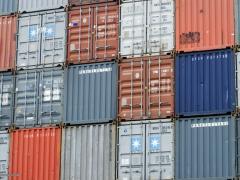
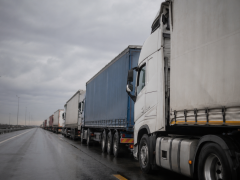
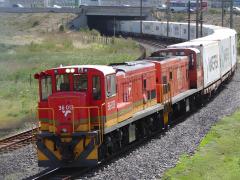
Property developer Inframax Holdings, although Cape-based, operates nationally, and is currently busy with an initiative aimed at making the country’s major inland port a ‘next generation’ one that will service the entire country by “putting Gauteng’s entire logistics capability into a new and far more efficient era and creating thousands of jobs, while at the same time stimulating the area’s GDP,” said Inframax MD Dr Willie Els in SA Property News. Using a 630-hectare tract of land lying about 25 kilometres southeast of the Johannesburg CBD, which the company has owned for several years, it is proposed that the new facility, to be named Tambo Springs, will increase Gauteng’s current freight logistics throughput to 3-million TEUs by 2015 and 4-million TEUs by 2020 – with further increases after that. Tambo Springs, which will have direct access to the N3 freeway from Gauteng to Durban, the N1 to Cape Town and the route via the R390 to Port Elizabeth and East London, is well situated for the freeways giving access from Gauteng to key industrial centres between 20 and 60 kilometres away, such as Vereeniging, Vanderbijlpark, Heidelberg and Sasolburg. Its handy location 22 kilometres from City Deep and 25 kilometres from the freight terminal at Johannesburg’s OR Tambo airport is likely to mean that the site will be able to handle both longdistance road freight, where trucks are usually full, and part-load regional distribution. Of course this sort of capitalintensive facility is all well and good if there is sufficient transport volume to use it. Whether road or rail, an inefficient or inadequate vehicle or rail truck pool frustrates any attempt, no matter how well planned, to achieve optimum flexibility and to be prepared for unforeseen eventualities or sudden changes of plan. Relatively quick times for short and medium-distance journeys are counterbalanced by long, enforced and frustrating idle time in traffic jams, while legal restrictioans and over-zealous, sometimes corrupt traffic officials with an acquisitive view of law enforcement do little to expedite matters. And there are always the unforeseeable effects of weather to be taken into account. Els doesn’t think the freight logistics needs of Johannesburg and the surrounding areas have been fully understood, particularly by the publicsector authorities whose remit it is to serve the area. “As a result, there is excessive use and wear of roads by freight operators; a dramatic decline in rail usage which is largely due to poor service levels; increased congestion and fragmented freight planning. South Africa’s freight logistics system is not meeting the country’s needs, and it is not keeping up with the way the world is moving,” he says.
Tambo Springs dry port heralds new logistics era for Gauteng
Comments | 0
© Now Media. This content is protected by copyright and may not be adapted or republished. If you would like to discuss cooperation opportunities, please contact: editor@freightnews.co.za.