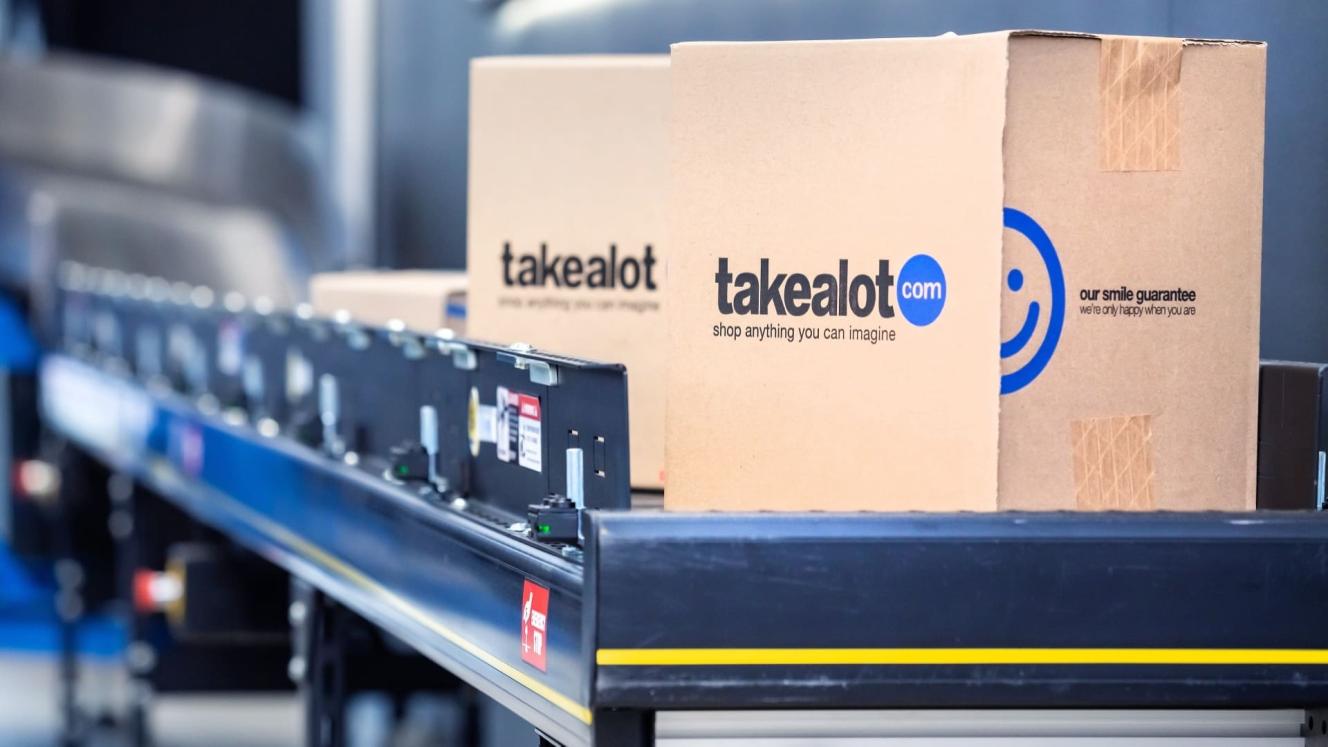
Takealot Fulfilment Solutions is opening its logistics and supply chain network to other retailers, with six large retail businesses already signed up to use the company’s infrastructure and technology.
Speaking at the SAPICS Conference in Cape Town, director of contract logistics François Retief said the aim was to create a shared logistics ecosystem that would give businesses access to infrastructure, technology and specialist skills without requiring them to make the substantial investment needed to build their own networks.
Until now, the business has primarily supported the Takealot Group’s operations. While it has provided services to external businesses for some time, Retief said expanding this offering had now become a strategic focus, with six large retailers coming on board.
“South Africa’s online retail penetration remains at only around 6% to 8%, compared with as much as 60% in developed e-commerce markets such as China,” he said. “It is extremely expensive to invest in the infrastructure required to deliver online orders, so we are looking at creating an ecosystem in which businesses can work together.”
He said the capability had been built to manage the scale and complexity of the Takealot Group’s own supply chain. Around 24 million products are listed on the platform, which supports approximately 18 000 small businesses.
According to Retief, marketplace sellers account for 64% of sales on Takealot, enabling small businesses - including individuals operating from their homes or garages - to enter the formal retail economy and reach a national customer base.
The group delivered around 70 million orders last year, with 99.3% delivered on time. Retief said the continued growth of on-demand shopping was adding another layer of complexity as customers increasingly expected faster delivery while remaining highly price-sensitive.
“Once the technology and infrastructure have been built and are operating effectively, they can be extended to other businesses,” he said.
Retief said the high cost of developing the infrastructure required to support e-commerce made greater collaboration increasingly important.
“It is extremely expensive to invest in the infrastructure needed to deliver online orders. We are therefore looking to create an ecosystem in which businesses can work together and build a supply chain that provides a competitive advantage.”