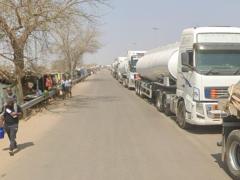
LAST WEEK saw a renewal of strike action by textile workers at the Matsapha Industrial Estate and the Shiselweni Region’s industrial park at Nhlangano. Truck drivers shut down the main commercial town Manzini for a day in sympathy with the Swaziland Manufacture Worker’s Union earlier this month. The ongoing labour unrest is the most intense in over ten years. About 20 workers have been hospitalised from gunshot wounds. In some instances telling workers to return to their jobs, police have aggressively broken up protest marches aimed at achieving a 10% wage increase for the country’s lowest paid workers. Asian-owned textile firms have offered a 7% wage hike, about 3% lower than the inflation rate. Between 1500 and 2000 workers have been fired from a workforce of 16 000 by garment makers who said their delivery dates for orders to the EU and US had been compromised. Enterprise and Employment Minister Lutfo Dlamini flew to Taipei at the weekend to reassure Taiwanese investors that Swaziland was still a stable place to do business. But the outcome of the strike is unpredictable, as is the future of the textile industry in Swaziland. All major road transport firms and Swaziland Railway count textile companies as major clients
Swaziland sees worst labour unrest
Comments | 0
© Now Media. This content is protected by copyright and may not be adapted or republished. If you would like to discuss cooperation opportunities, please contact: editor@freightnews.co.za.