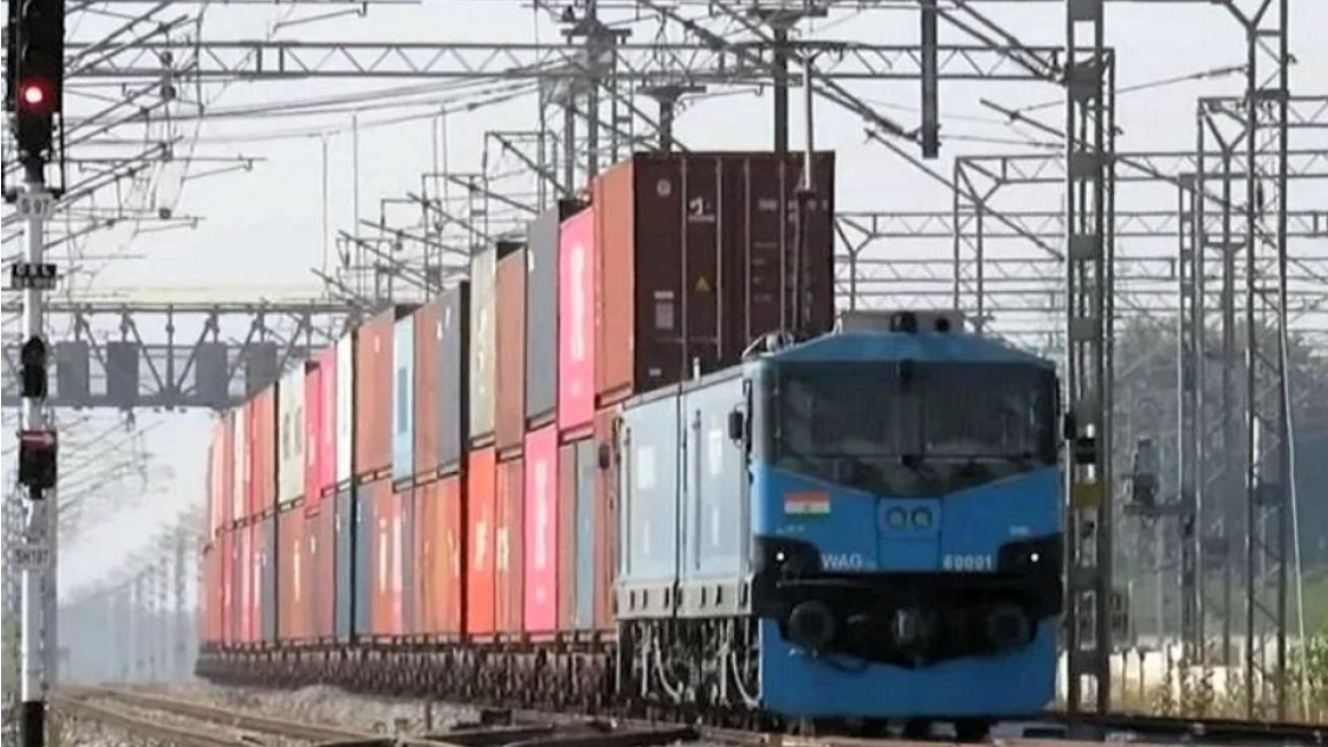
With a new CEO at the company throttle and a new rail route to Gauteng in the pipeline, Swaziland Railway is in a state of positive transition. While Swaziland’s economy languishes in comparison to the performance of other regional countries, as long as southern Africa’s economic fortunes remain stable or growing Swaziland Railway stands to benefit considerably. “75% of Swaziland Railway’s traffic is transit traffic, and with the Lothair Line this will increase to 90%,” CEO Stephenson Ngubane told FTW. This means 90% of the rail company’s profits will come from goods en route from other countries and passing through Swaziland to the ports of Maputo and Durban or heading from those seaports to Gauteng, Mpumalanga and countries as far north as Zambia. At present, Swaziland Railway moves about four million tonnes of freight per year. The line does not have passenger service. Scheduled for completion in 2017, the 174 km line from Lothair in SA to Swaziland Railway’s rail head in Sidvokodvo will make the Gauteng to Maputo rail trip faster and cheaper for freight-moving customers and will probably put a dent in road freight traffic along the same route. SA shippers are expected to constitute the bulk of future customers. “Most of the new business will come from transit traffic from South Africa,” said Ngubane. After serving well for more than a year as acting CEO, Ngubane’s appointment as head of the company in July 2013 did not come as a surprise but was nonetheless welcome news locally and amongst the southern African railway fraternity. Ngubane had been with the railway since 1986, acquiring experience in a number of departments over subsequent years and earning the reputation as a well-rounded railway man. His agenda includes connecting the country’s sugar mills to the rail system, which will cut down on transport costs for Swaziland’s top export earner, bulk sugar. Swazi customers should not be discounted in light of the assured profits to be had from transit rail traffic. Last year, company profits rose 40% due to the transport of a local product, iron ore shavings recovered from a closed mine in Western Swaziland and moved to Maputo. Swazi coal railed north for use in Mpumalanga is another profitable commodity for the company. However, real profit will come from transit traffic, and Ngubane feels it is in Swaziland’s interest to have a connected and vibrant regional rail system – the better to funnel freight through the company’s lines. In agreement with his fellow CEOs of southern Africa’s rail companies, Ngubane said, “We want to integrate all rail services and expand the rail system. The regional rail systems will be made compatible so goods will move from one point to anywhere in the region without interruption.” INSERT & CAPTION Most of the new business will come from transit traffic from South Africa. – Stephenson Ngubane
Swazi Rail ‘in positive transition’
Comments | 0