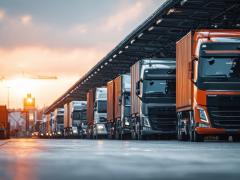
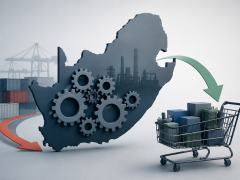
Sustainability is a top priority for food and clothing retailer Woolworths which has seen massive savings over the past few years through the introduction of more efficient supply chains. According to Justin Smith, head of the Good Business Journey (GBJ), the Woolworths sustainability programme, sustainability has been integrated into the business model and is driven across all platforms within the organisation. “It is not just about saving water and energy in our stores, but our distribution centres are also geared towards complete efficiency.” Smith said while its key target was to reduce its carbon emissions, the introduction of sustainability programmes had affected the bottom line favourably. “We have managed to reduce energy usage by almost 34% from our 2004 benchmark. We have also seen savings of R250 million in the last financial year,” he said. In its efforts to be greener, logistics in particular has come into focus, said Smith. The retailer is continuing to invest in modern distribution centres that create more streamlined and efficient operations. “But also reverse logistics has to be addressed. Through the new distribution centres much has been achieved, but more work has to be done.” The retailer was looking at what action it could take to address reverse logistics – the return trip to the distribution centre from the store, he said. Major efforts have also been made to increase training of truck drivers. This has seen major savings in terms of fuel. “We have also implemented a route optimisation programme for the delivery to stores, while a logistics integration centre was established and is tasked with constantly working towards reducing the kilometres being travelled.” INSERT 34% Woolworths’ percentage decrease in energy usage over 10 years.
Sustainability programme cuts costs for leading retailer
Comments | 0
© Now Media. This content is protected by copyright and may not be adapted or republished. If you would like to discuss cooperation opportunities, please contact: editor@freightnews.co.za.