Merger activity in the
seafreight sector is gaining
momentum with the big
three Japanese shipping
companies – Nippon Yusen
Kabushiki Kaisha (NYK Line),
Mitsui OSK Lines (MOL)
and Kawasaki Kisen Kaisha
(K-Line) – the latest to jump
on the bandwagon.
The boards of the trio have
agreed to establish a new jointventure
(JV) to consolidate
their global container shipping
and terminal operations
(excluding those in Japan).
The as yet unnamed combined
company – estimated to
be worth the equivalent of
over R38.5 billion – will be
established on July 1, 2017, but
will only become operational
from April 1, 2018. The deal is
subject to regulatory approval
from the authorities.
It will be 38% owned by
NYK and 31% each by MOL
and K-Line.
“The consolidation that took
place in container shipping
pre-2008 was driven by a
desire for growth,” according
to Drewry Financial Research
Services.
Now, however, merger and
acquisition (M&A) activity was
all about survival, it added.
This to address such factors as
balance sheet restructuring,
poor investor returns and
adaptation to a low-growth
environment.
“We believe this to be a
positive step for the industry,
but the transition will be time
consuming,” said Drewry.
“We anticipate continued
consolidation activity. But
the industry may need to wait
until the earnings impact of
the consolidation becomes
tangible.”
Ron Frick, MD of DAL
Agency in SA, agrees that
on-going consolidation is
very much part of the current
shipping scene.
“I don’t think we have seen
the last of the it,” he told FTW.
“The vessel overcapacity is
expected to last until 2018 or
longer, and there has been an
increase in scrapping of vessels
in the last 12 months.
“And, with new legislation
on the cards that the ballast
and bilge water will require
water treatment plants
installed on vessels, owners
are likely to decide to scrap
vessels rather than incur the
incremental costs of upgrading
older vessels.”
Frick also pointed out that,
in light of the oversupply of
container shipping and the
sub-economic freight rate
levels – particularly on the
East-West trades of Asia/
Europe and Transpacific – this
consolidation was inevitable.
“Major lines have been
shipping below cost and the
ongoing losses are no longer
sustainable,” he added. “As
rates are unlikely to regain
sustainable levels in the shortto
medium- term, the only
option left is to continue to
seek economies of scale, the
pooling of hardware, and staff
reduction to contain overhead
costs.
“And this is on top of
depressed bi-lateral trade, with
lesser volume on offer.”
CAPTION
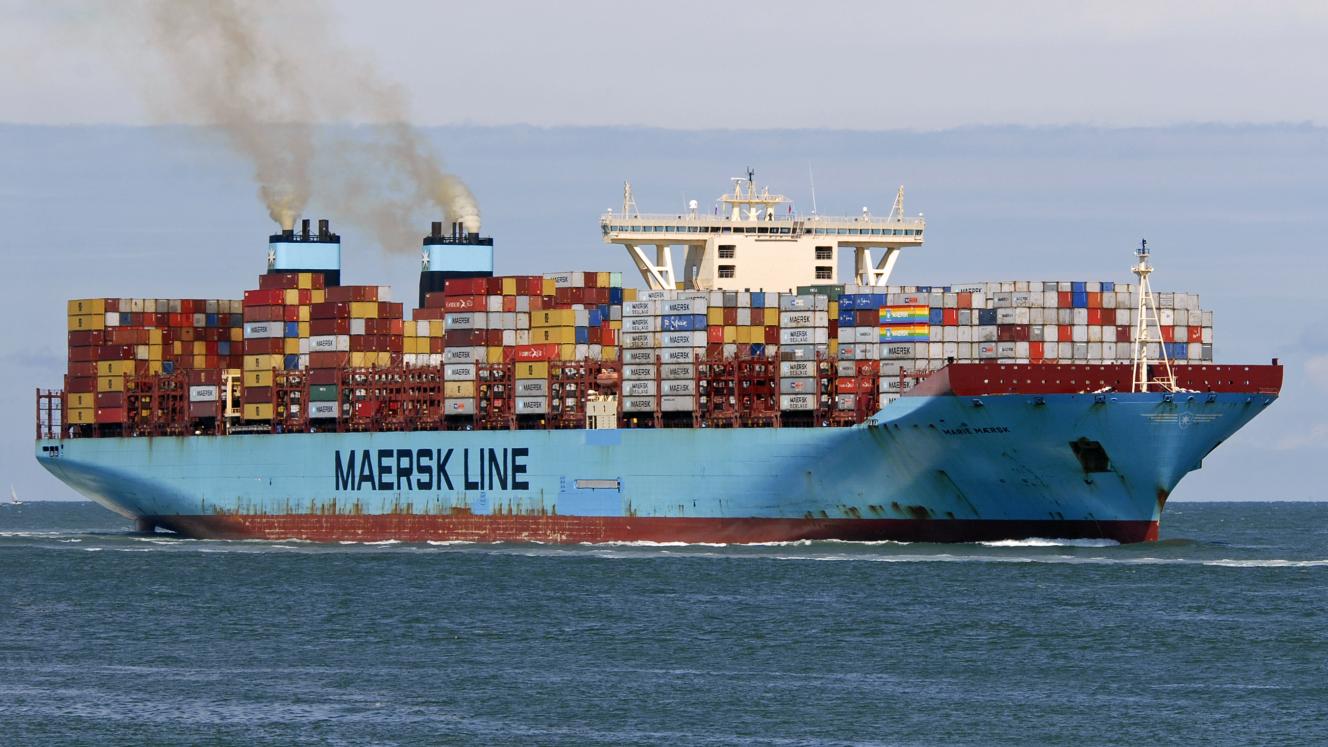
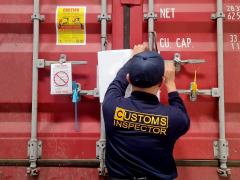
The NYK, MOL, K-Line JV will be worth the equivalent of over R38.5bn.
Survival drives merger momentum
Comments | 0
© Now Media. This content is protected by copyright and may not be adapted or republished. If you would like to discuss cooperation opportunities, please contact: editor@freightnews.co.za.