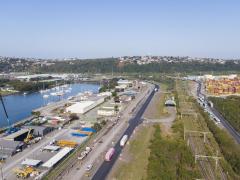
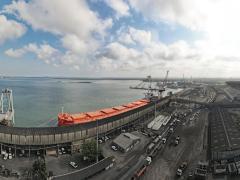
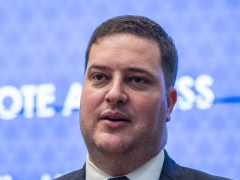
Portnet blames lines for inaccurate information Terry Hutson HOPES HAVE been dashed for a reprieve of the US$75 container surcharge at the Durban container terminal following a last minute meeting between the container lines and SA Port Operations (SAPO). Container Liner Operators Forum spokesman Dave Rennie told FTW when this issue went to press on Monday morning (February 11) that following the meeting there was insufficient reason for the lines to ask their principals to reconsider the surcharge due to be implemented today (February 15). “We understand that the Durban terminal is working under severe constraints and at capacity, but SAPO cannot expect the lines to have to bear the additional costs caused by the delays. We’ll continue trying to find solutions but one week away from implementation there is nothing to show in the way of goodwill, compensation or improvement.” Rennie said that delays at the Durban terminal remained at an unacceptable average of 30 hours with peaks of 60 hours for some ships forecast for the week ahead. The lines had incurred losses of more than R500 million from ships delayed outside the port since July last year. “This does not include other costs such as additional vessels that had to be introduced to maintain the schedules, additional fuel or having to take containers to another port and then redeliver them.” However, SAPO CEO Tau Morwe said at the weekend that a great deal of headway had in fact been reached to resolve the impasse. “There are now very few issues which still need to be thrashed out during meetings over the next two weeks.” He said the shipping lines had agreed to take back various issues to their principals for comment and that SAPO was waiting to hear the outcome. “SAPO has done more than its level best to come up with a compromise, and although it could not let shipping lines off the hook it had agreed to review the compensation formula that was originally agreed.” He said this agreement, which was now labelled Ôinequitable’, stipulated that shipping lines had to inform SAPO of their estimated time of arrival within seven days as well as confirm the size of the cargo to be discharged or loaded. In return they would not be kept waiting outside the port for more than 16 hours and had a 6-hour berthing window. According to Morwe much of the delay is a result of inaccurate information passed on by the shipping lines. He said the port, which handled 1,2 million TEUs last year, was already working above capacity with little room to manoeuvre. The ÔDevelopment 2005’ programme, which was already underway, would take some time to rectify this. “SAPO is bending over backwards to allow shipping lines the leeway to be 90% ccurate with their information on imports and 75% accurate with details on exports. The chairman of the Harbour Carriers Association Paul Rayner said the meeting with port authorities had fallen down because there was insufficient compromise or consensus. However he argued that it was wrong that cargo owners had to bear the additional costs and said that shipping lines should rather withhold port payments. l Spoornet advised FTW at the time of going to press that its service had returned to normal following the cancellation of eight export trains last week. A shortage of locomotives was blamed for the hold-up, but a Spoornet source assured FTW that the problem had been rectified and that all vessel stack dates had been met.
Surcharge talks collapse
Comments | 0
© Now Media. This content is protected by copyright and may not be adapted or republished. If you would like to discuss cooperation opportunities, please contact: editor@freightnews.co.za.