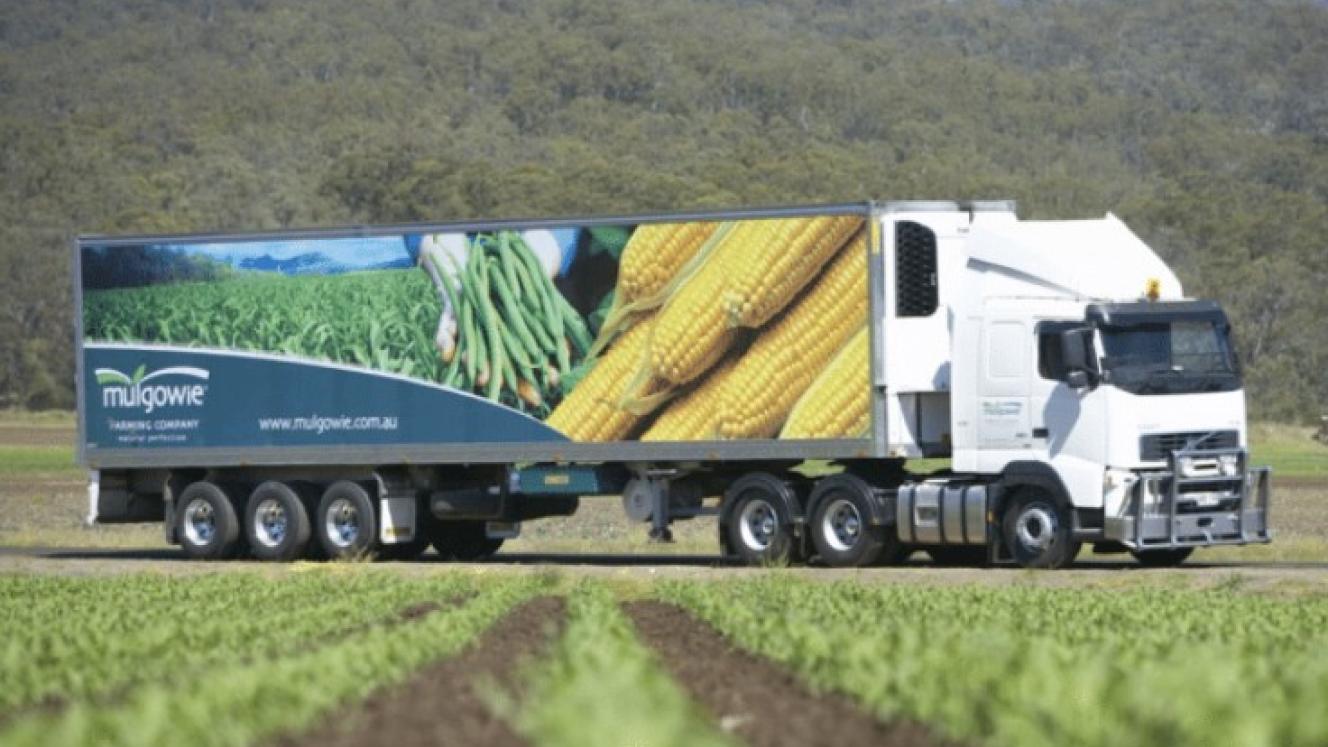
Logistics remains the single biggest constraint hampering the growth of South Africa’s fastest-growing economic sector – agriculture.
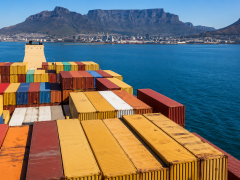
According to London-based fin-services firm Verto, despite short-term efficiency improvements at ports including Durban, Cape Town and Port Elizabeth, systemic issues persist.
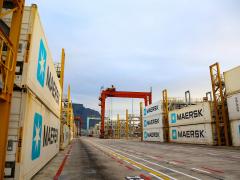
In its latest South African Agricultural Exporters Report, the sector-tech developer says inefficiencies in port operations, equipment failures and capacity constraints continue to cause vessel delays, driving up demurrage costs and increasing the risk of spoilage for time-sensitive fresh produce.
Rail network deterioration has compounded the problem, forcing more freight onto poorly maintained provincial roads, the report says.
This has led to higher transport costs, longer transit times and increased product damage.
Industry estimates suggest that these combined inefficiencies are costing farmers tens of thousands of rand per hectare in lost income and additional expenses, Verto says.
Trade uncertainty presents another major risk.
The possible non-renewal or amendment of the US African Growth and Opportunity Act (Agoa) could have serious implications for South African exporters. Without the agreement, key products such as wine, citrus and nuts could face tariffs ranging from 3% to 15% or higher, significantly reducing their competitiveness in the US market.
Exporters are also contending with rising tariffs and non-tariff barriers in other markets, while increased domestic production in countries such as China – particularly in macadamia nuts – is intensifying competition.
This is prompting a shift towards higher-value, processed exports rather than raw commodities.
In the livestock sector, biosecurity concerns remain acute. Recurring outbreaks of foot-and-mouth disease continue to restrict exports of beef and other animal products, limiting growth.
The absence of a fully implemented national traceability system remains a further obstacle, as many international markets require detailed verification of origin and food safety standards, the report has found.
Climate change and rising input costs add further pressure. As a water-scarce country, South Africa faces increasingly erratic weather patterns, necessitating substantial investment in water-efficient farming practices, Verto points out in an executive summary of the report.
At the same time, producers are grappling with higher costs for fuel, electricity and fertilisers, which are squeezing already tight margins.
Against this backdrop, industry stakeholders are highlighting the importance of improving cross-border payment systems. Agricultural trade is inherently high volume and time sensitive, often involving volatile commodity prices and exchange rates.
Exporters continue to face high transaction costs, slow settlement times and limited transparency in traditional banking channels, underscoring the need for more efficient and cost-effective financial solutions, Verto says.
While the sector’s recovery in 2025 is encouraging, its long-term competitiveness will depend on addressing these structural constraints and improving efficiency across both physical and financial value chains.