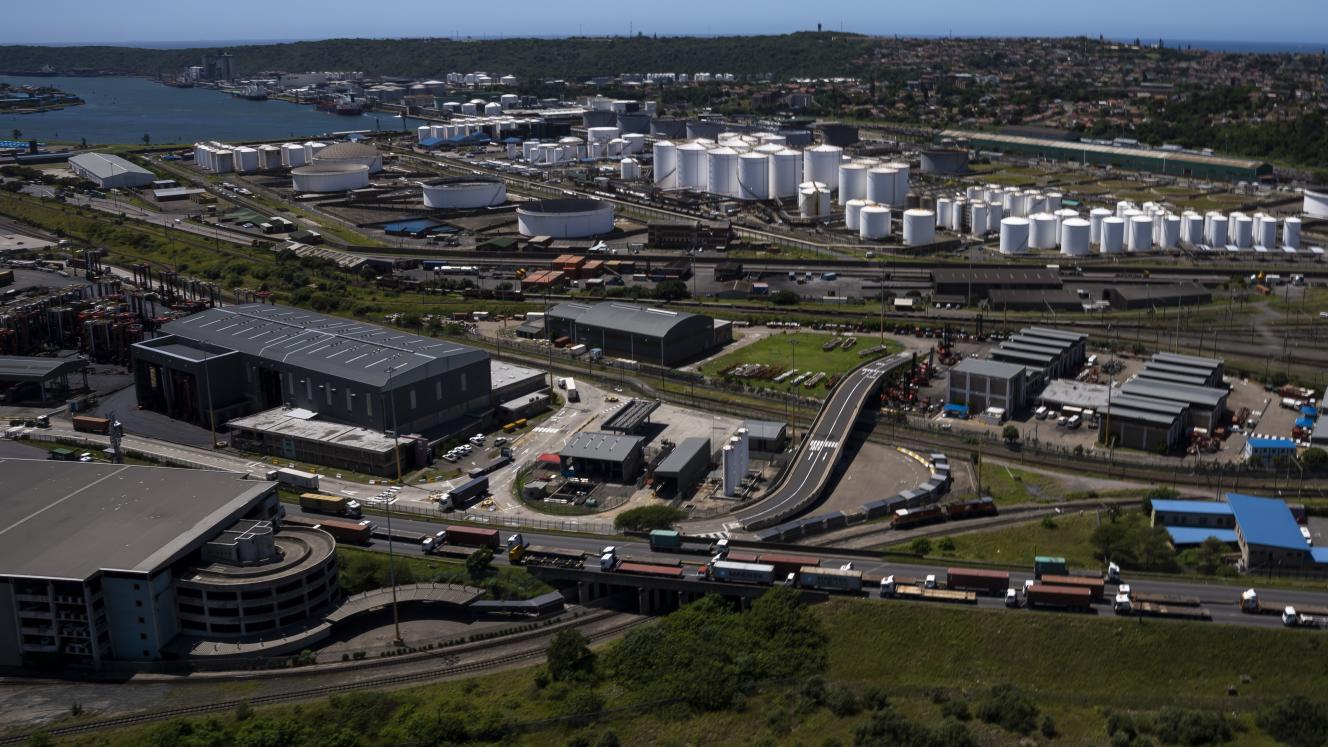
Countries across Africa are increasingly demanding more from mining houses than just the employment of a few locals and some investment in the communities and areas around the mines. According to Duncan Bonnett of Whitehouse & Associates, there is a creeping sense of nationalism being detected with governments demanding higher royalties, taxes and investments from those mining resources on their shores. “It is completely understandable why governments are putting the pressure on companies, calling for more local participation and wanting higher tax returns for their resources, but at the same time this is increasing the operating costs in Africa significantly.” In light of lower commodity prices many mines are not in a position at present to train and invest in upscaling local communities to meet local participation laws, while the lack of infrastructure continues to raise the costs of moving commodities from mines to ports. Investing in these resources from a private sector point of view does not necessarily always make sense. “Africa’s stranded resources remain a problem,” says Paul Runge of Africa Project Access. He says less spending by private companies on infrastructure is expected in the coming months as costs are cut to a bare minimum. “Budgets in many cases are not just shrinking but downright disappearing,” he said. Countries with vast resources but no infrastructure are going to have to work hard to convince mining houses to come up with the funds required to move commodities or invest in the necessary infrastructure themselves. Botswana is one such example where vast amounts of coal have been found but without a railway line it becomes difficult to see this as a feasible operation. While the government has declared its intention to build a railway line to the Port of Walvis Bay, questions around funding remain unanswered. “Companies are being pushed from all sides – not only do they have to move beyond hiring secretaries and security guards, meaning very real investment in the training and upskilling of staff, but they are also having to inject money into the infrastructure of countries, including finding ways of generating the necessary power required for their operations,” said Runge.
Stranded resources remain a problem for Africa
Comments | 0
© Now Media. This content is protected by copyright and may not be adapted or republished. If you would like to discuss cooperation opportunities, please contact: editor@freightnews.co.za.