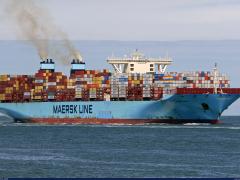
It will be much more than a mere case of being full of beans if China decides to ditch the US in favour of Brazil as it increasingly looks elsewhere for bulk imports of products such as soya.
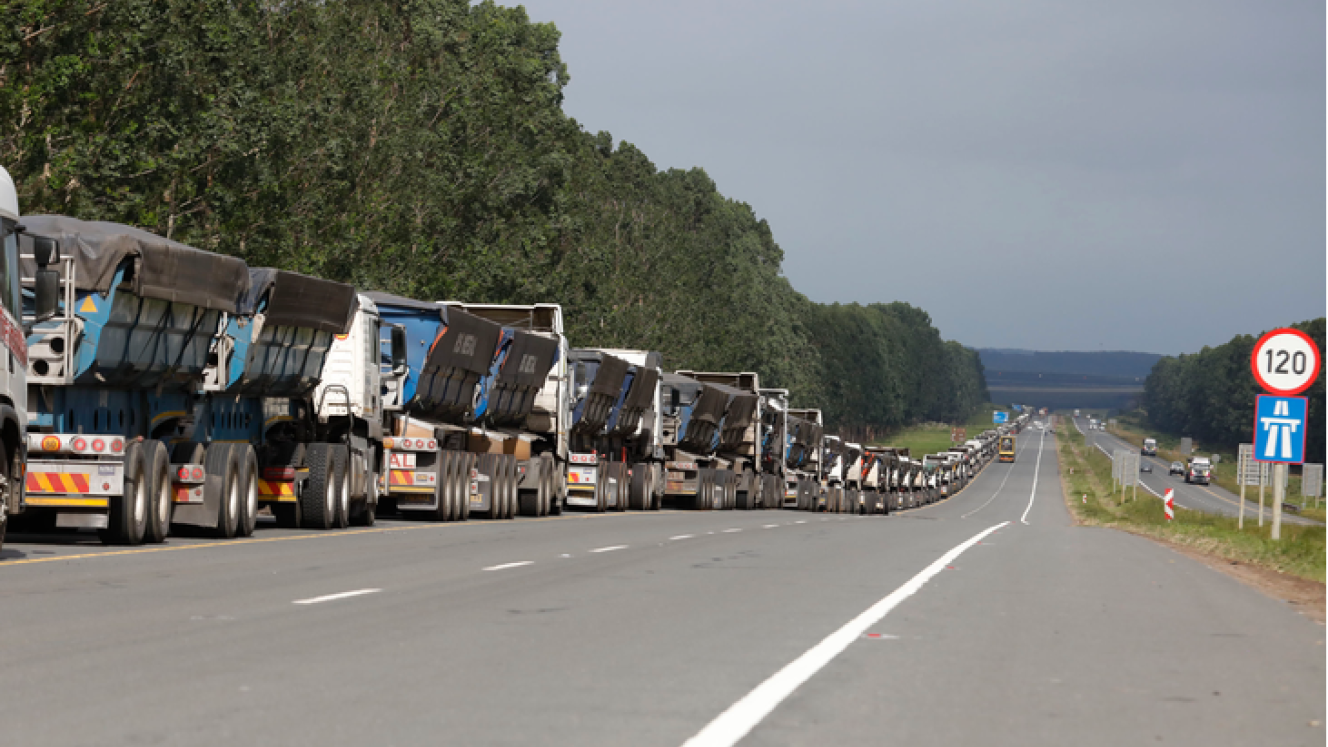
The US is currently the world’s leading exporter of the versatile legume and China is its biggest client, importing 63% of American soya beans. But in May, as tariff tension mounted between the two trade partners, US government data revealed that a million tonnes of soya bean exports had been cancelled because “cheap supplies from Brazil made US cargoes less attractive to buyers”.
Although it could not be confirmed that it was mainly China that had torpedoed the bulk bean exportation, the US Department of Agriculture said “buyers from an undisclosed destination scrapped 949 000 tonnes of US soya bean purchases.
“Of that total 829 000 tonnes were for shipment before September, the largest one-time cancellation of soya bean sales since December 2016.”
In addition to luxury products such as Levi jeans and Kentucky bourbon, soya bean crops could feel the heat if China edges up the pressure on US President Donald Trump to ease off on his administration’s plan to place tariffs on Chinese imports worth $200bn come August.
A week ago Trump’s government fired the first salvo in the trade war when it slapped tariffs on some $50bn of Chinese-made goods imported to the States. In the meantime Chinese President Xi Jinping, facing political fallout at home, is hard-pressed to make a decisive move ahead of the US mid-term elections in August.
Many analysts believe that such a move could be made against America’s agricultural sector, knocking farmers hard in America’s ‘soya been belt’ which includes Nebraska, North Dakota, Arkansas and Missouri, all of which voted Republican in the 2016 elections.
As all of this unfolds, China’s trade position with Brazil is strengthening. Independent analyst Ryd de Klerk told FTW that China’s export growth to Brazil had risen by 33% and its imports 23%. Although small in itself, soya beans could very well provide Jinping with the trump card against his American counterpart.
Business Day writes that “soya beans have been a target in China’s retaliation against US tariffs, with expectations that global supply could be disrupted as the US seeks new markets”.
North Dakota soya bean processors have also claimed that their selling season has gone to ruin as a result of China’s tit-for-tat measures against Trump.