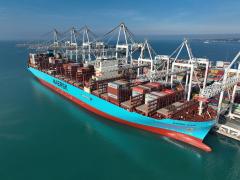
Thanks to huge advances in refrigerated technology, shipping lines are making major inroads into airfreight’s previously exclusive domain. With modern containerships and sophisticated, everexpanding trade networks providing easier global access for new products to new consumers in new and established markets, the world is becoming a smaller place, in the view of Thomas Eskesen, Maersk Line’s senior director for reefer management. In South Africa on a meetand- greet mission recently, Eskesen outlined news many would have considered total fantasy a decade or so ago. Imagine shipping fragile products such as live lobsters and bananas in reefers. Well, Maersk Line is doing that successfully and has added to its list of ‘doubtfuls’ sashimi grade tuna, mussels, crabs, blueberries and even fresh-cut flowers – the latter once an exclusive airfreight product. What reefer shipping has achieved is cutting routes without cutting corners. Maersk has introduced Aqualife, which allows for live Canadian lobsters to be shipped to Europe in fortyfoot reefers on a voyage of ten to 12 days, promising a considerably reduced carbon footprint over airfreight. Equally bananas, which don’t flourish in normal refrigerated conditions, are now shipped in reefers utilising StarCare technology and guaranteeing freshness for up to 50 days. Maersk Line, like many other carriers, is sensitive about imparting what may be considered ‘sensitive’ information but it is generally accepted that the carrier facilitates about one third of global reefer trade. Eskesen says Maersk Line, trading in more than 120 countries, is intent on maintaining its global status and remains focused on 10% growth in the year ahead. “This has been a very robust year, following on 2008 (the global depression), as things started returning to normal.
Seafreight makes inroads into airlines’ domain
Comments | 0
© Now Media. This content is protected by copyright and may not be adapted or republished. If you would like to discuss cooperation opportunities, please contact: editor@freightnews.co.za.