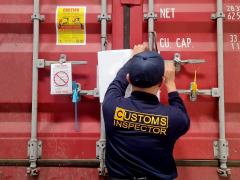
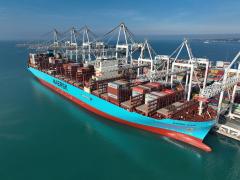
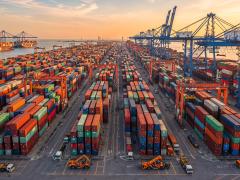
Proposed changes to the country’s maritime laws could result in congestion at ports and increased operating costs, according to Zola Stephen, the Transnet group executive: legal, corporate and public affairs. Stephen said the changes to legislation mooted in the Merchant Shipping Safe Containers Bill could have severe financial implications and result in congestion at ports. Transnet responded to the Bill in a document tabled earlier this month during a meeting of the Portfolio Committee on Transport in Parliament. The proposals also make provision for the South African Maritime Safety Authority to appoint inspectors with powers to examine containers before they are transported anywhere in the country. In terms of the proposal, an inspector appointed by the Authority could board any vehicle, including a ship, train, truck or aircraft, or enter any premises if he or she believes on reasonable grounds that there is significant evidence that the condition of a container in or on such vehicle or premises creates a risk to safety. Stephen said Transnet, which is the country’s largest and most crucial part of the freight logistics chain delivering goods throughout the country, believed this would result in delays at ports, push up costs and itself pose safety hazards. However, members of the portfolio committee on transport expressed concern about the issues raised by Transnet. “The objections on the grounds of cost must be weighed up against the greater risk of losing a ship.” Transnet general manager: group compliance, Indira Reddy, acknowledged the committee’s concerns, saying they had no intention of delaying the process of the Bill and would abide by the final decision. There was also unhappiness from the Chemical & Allied Industries Association (CAIA), which transports an estimated 90% of its freight by road and is already subject to a variety of requirements. “Most chemicals are exported by sea and as such compliance with the International Maritime Directive is required. CAIA is therefore concerned to note the duplication and further complexity that this Bill introduces into the transport of dangerous goods.”
‘Safe Containers’ bill raises port congestion concerns
Comments | 0
© Now Media. This content is protected by copyright and may not be adapted or republished. If you would like to discuss cooperation opportunities, please contact: editor@freightnews.co.za.