SADC is shifting its corridor focus from building new infrastructure to improving how existing corridors are managed, as governments move to digitalise border posts, share customs data and strengthen corridor management institutions.
According to transport corridor consultant Lovemore Bingandadi, the starting point has been recognising that regional integration is a gradual process and that not all member states are moving at the same pace.
“The SADC Transport Protocol clearly identifies regional trade corridors as key and central to the facilitation of trade between and among member states,” he told Freight News, noting that the SADC Corridor Development Master Plan adopted in 2009 defined 18 regional corridors in the bloc.
Of these, ten have been identified as primary corridors, including the North-South Corridor anchored on the port of Durban, the Maputo, Beira and Nacala corridors in Mozambique, Dar es Salaam (now absorbed administratively into the Central Corridor), Walvis Bay-Ndola-Lubumbashi and the rejuvenated Lobito Corridor.
“On the majority of these ten major corridors there are clear development plans,” says Bingandadi. “Some have corridor institutions in place to coordinate the efforts of member states and others have signed legal instruments providing a framework for collaboration. You can see a correlation: those corridors that have MoUs signed and institutions established are the ones making the most progress.”
The debate could no longer centre on hard infrastructure alone. “The hard infrastructure is in place for the most part. Where there are deficiencies, those are less than 25%. SADC has one of the most integrated road, rail and ports networks in Africa on a relative comparative basis. What we lack is efficiency. That can only be achieved when we have harmonised laws, regulations, systems and procedures in place, both on the transport side and on the trade and customs side.”
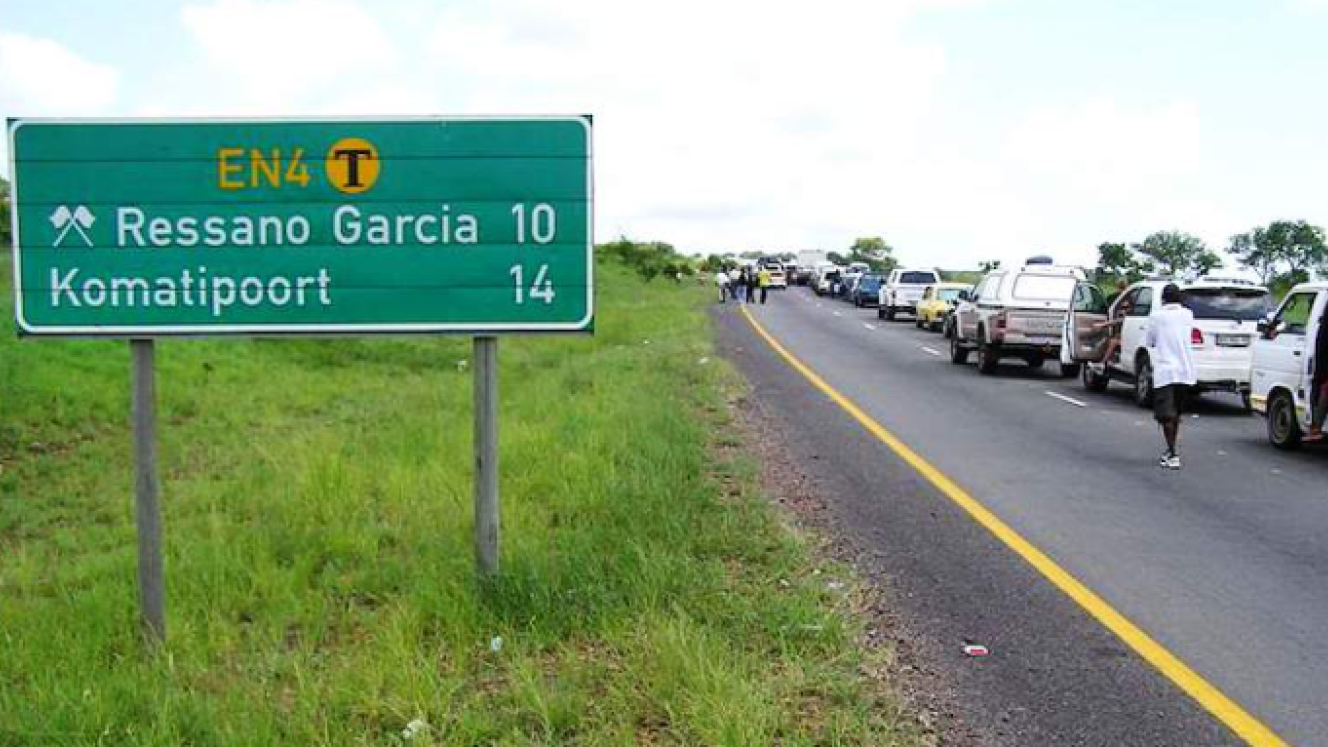
Digitalisation, especially the pre-clearance of goods, is now “the most important and critical frontier” of corridor development, he says. “Vehicles shouldn’t have to wait and queue at borders – they should be pre-cleared prior to the commencement of their journeys.”
Beyond digitalisation, both experts underlined the central role of corridor management institutions in turning plans into real efficiency gains. Bingandadi describes them as a “necessity and prerequisite” for any corridor linking two or more sovereign states, given the multitude of ministries and agencies involved in trade and transport.
Looking ahead, Bingandadi is cautiously optimistic. He believes that if the current pace on digitalisation, OSBP roll-out and institutional reform is sustained, the region’s corridor landscape could look very different in just a few years.
“Corridor development is a progressive journey with cumulative achievements over time,” he says. “If we keep this momentum, in the next five years the capacity and efficiency of our trade corridors will totally change – provided we have stable governments, strong political leadership and a SADC Secretariat that drives the process so that all member states along a corridor move concurrently and not in isolation.”