South Africa recorded a 5% decline in both fatalities and crashes during the recent festive season compared to the same period in 2024/25.
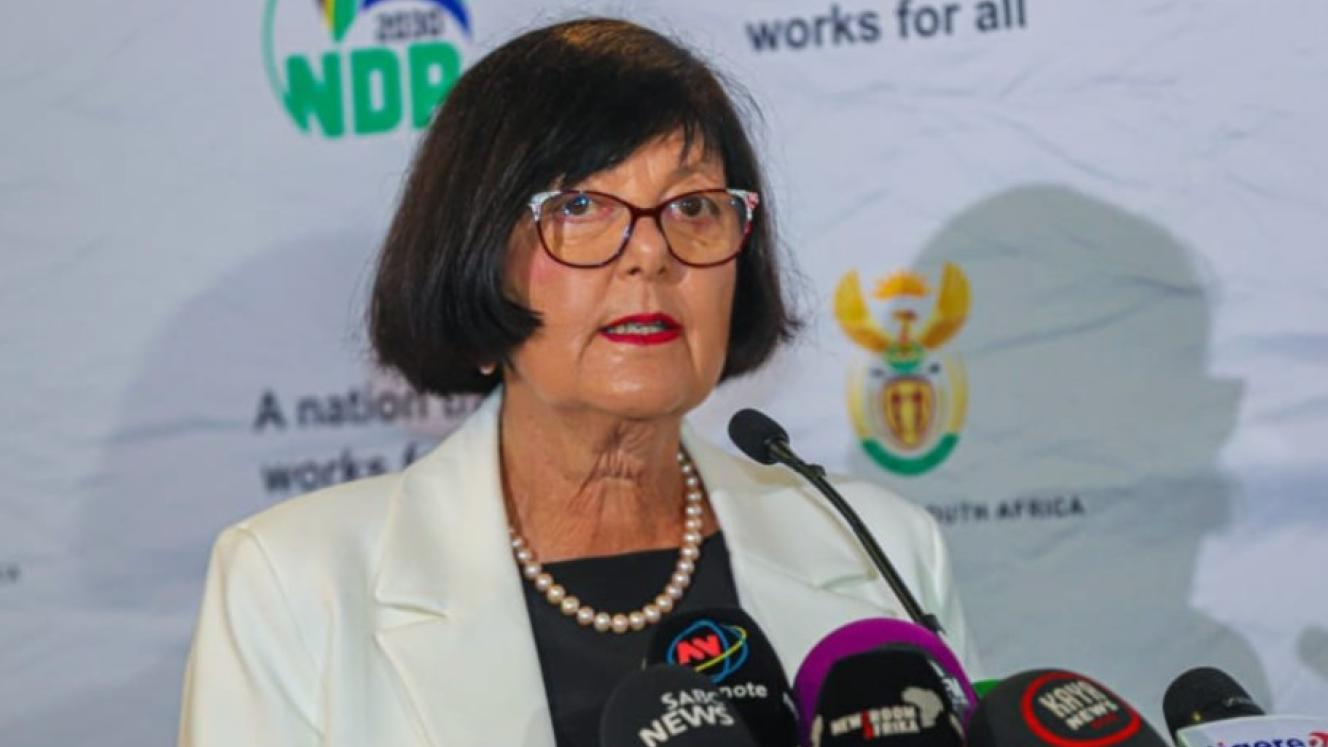
This is according to the preliminary results of the 2025/26 Festive Season Road Safety Campaign released by Transport Minister Barbara Creecy, who affirmed her commitment to toughening up the country’s law against drinking and driving, during a media briefing on Thursday.
A total of 1 427 fatalities from 1 172 crashes were recorded during the festive period – the lowest crash figure in five years and matching the fatality count from 2023/24.
Five provinces recorded decreases in fatalities, led by the Eastern Cape with the highest percentage reduction, followed by the Free State. Increases occurred in Gauteng, Western Cape, Mpumalanga, and Northern Cape.
Crashes and fatalities surged from 15 to 28 December, contributing more than 40% of the totals.
“This re-confirms that festive season crashes and fatalities increase once travellers have reached their destinations and are engaging in festivities rather than during the peak travel periods,” Creecy said.
“Many of the crashes happened over the weekend between 7pm and 9pm and between midnight and 1am. They involved collision with pedestrians, hit and run, single vehicle overturns and head-on collisions,” she said.
The highest number of pedestrian fatalities were reported in Cape Town, Johannesburg, Durban, Nkangala District and Tshwane.
The types of vehicles that contributed to most of the crashes were small motor cars (55 percent), followed by light delivery vehicles. (20 percent). Minibus vehicles and trucks were involved in only 7% and 6% of crashes respectively.
Creecy said the number of road accident deaths was “a reason for national shame.
“Analysis of reported crashes throughout the year confirms human behaviour and particularly reckless driver behaviour remains the leading cause of road trauma. Speeding and drunk -driving remain the major cause of road accidents,” she said.
Creecy described South Africa’s driving and drinking policy, which was formulated almost 30 years ago, as outdated.
“In today’s South Africa it is totally unacceptable that there is a law that allows people to drink and then drive. I have never understood this. I cannot explain this to anyone who has lost a parent, a brother, a sister, a child as a result of a road accident,” she said.
“The time has come for us to amend the law so we have a clear-cut, easy to understand and unambiguous policy that says drinking and driving is not allowed. A law that allows drivers to drink a certain amount and get behind the wheel of a car must be scrapped. So we will begin an amendment to section 65 of the National Road Traffic Act.”
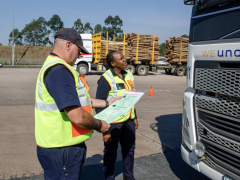
She said combined law enforcement officers conducted 1 632 roadblocks in which 1.8 million vehicles were stopped and checked. More than 450 000 traffic fines were issued and 525 motorists were arrested for excessive speeding.
“Roadblocks and vehicle inspections targeted roadworthiness, driver fitness, and licensing. A total of 173 695 drivers were tested for driving under the influence of alcohol and 8 561 of these tested positive, a 144%increase on the same period last year,” Creecy said.
“The highest alcohol reading was recorded in KwaZulu-Natal where one motorist recorded breath alcohol content fourteen times above the legal alcohol limit. The highest speedster was arrested in the Northern Cape where he was clocked at 222 kilometres an hour in a 120-kilometre per hour zone,” she said.
Creecy said 89 motorists were arrested for attempting to bribe traffic officers to avoid arrest.
Broader 2025 annual data also improved, with 11,418 fatalities from 9,674 crashes – the lowest in five years – reflecting a 6.4% drop in crashes and 6.2% in fatalities compared to 2024.