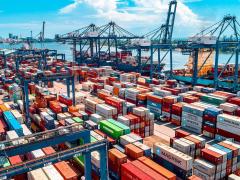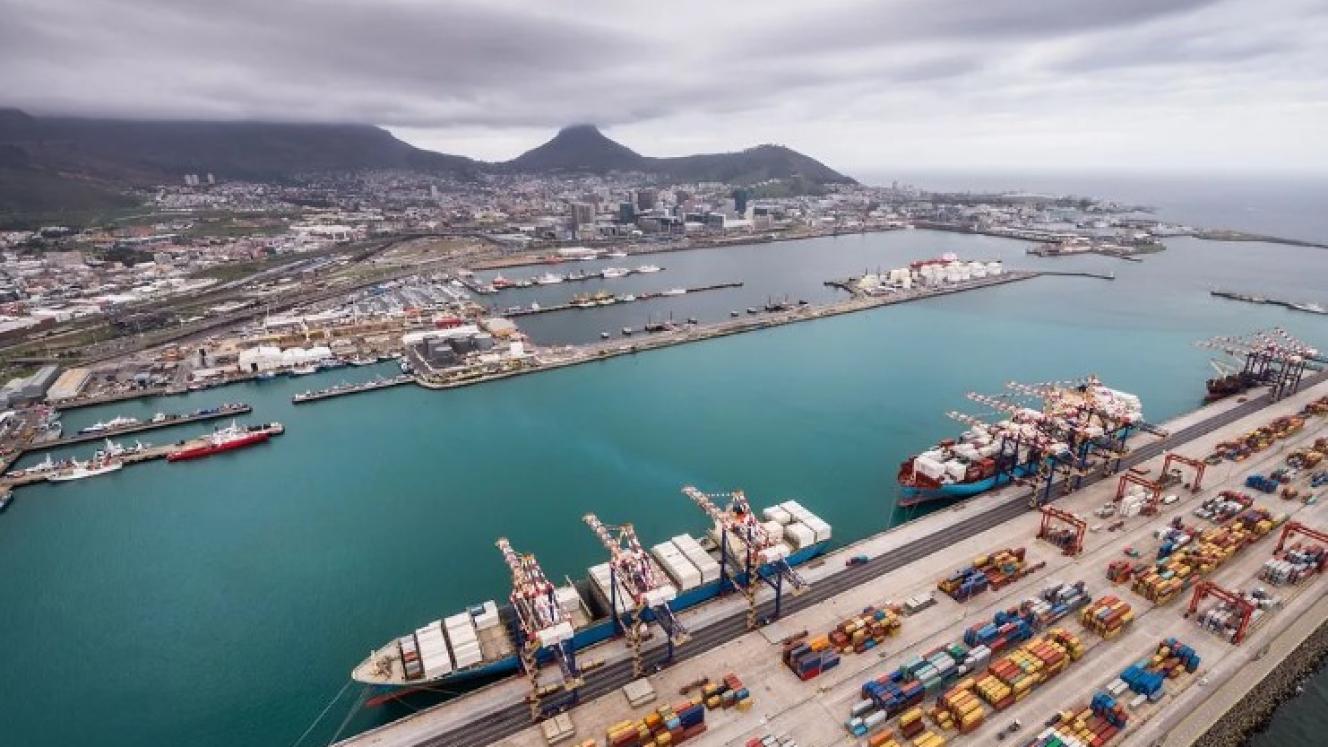
While the Cape Town Container Terminal is currently fully operational, there’s an urgent need for progressive measures to buffer exports against wind disruption at the port.
This is especially in respect of the impact inclement weather is having on the perishables sector, says Terry Gale, Exporters Western Cape chairperson.
“In December, the port was closed for a total of 349 hours.”
He adds that this is inclusive of 14 hours due to a high influx of trucks.
November was even worse, resulting in 379 hours of downtime because of wind speeds in excess of 90 kilometres an hour, the risk threshold for safely operating the port’s rubber-tyred gantry (RTG) cranes.
At the same time, fog also posed challenges to port operations, as was the case more recently.
Mecia Petersen, chief executive of the South African Table Grape Industry (Sati), has confirmed that fruit exports have been hammered at a time when outflows ought to peak, especially to markets in the UK and EU.
She’s on record saying to Netwerk 24 that volumes for the first week in January are down 39% compared with the same period year-on-year (y-o-y).
Because of recurring weather events at the port, grape growers along the Orange River in the Northern Cape have opted for alternative export options through Coega in the Eastern Cape and Walvis Bay in Namibia, says Gale.
The 18 new RTGs deployed at the port last year, capable of handling wind speeds up to 90 kilometres per hour, “were rendered useless in wind speeds exceeding 120kph”.
Gale says it appears that excessively strong wind has become the norm at the Port of Cape Town, while Andiswa Mesatywa, regional corporate affairs and stakeholder manager at Transnet Port Terminals, has said that December and November’s wind speeds were respectively 54% and 67% stronger y-o-y.
“While such events are coastal, the ripple effect is national, forcing hundreds of containers and disrupting inland packing schedules from the Orange River to Limpopo,” says Gale.
Delays related to operational shutdowns at the time, coming at the peak of the grape export season, means an export journey of about 24 days can last up to eight weeks.
Under such conditions, fruit is pushed past its sell-by date, Gale emphasises.
“This is having a major Impact on the Western Cape’s sustainability as a vital supplier of fruit to global markets.”
According to Eddy Kreukniet of Exsa Europe, speaking to Netwerk 24, the quality of South African table grapes is very high but they are simply arriving too late in Europe.
Whereas substantial volumes were expected in the EU just before the New Year, the expected arrival time of exports from South Africa is constantly delayed.
“We need to work smart and take a look at using advanced controlled atmosphere (CA) technology.”
CA tech is a post-harvest storage and transport method that precisely regulates levels of oxygen, carbon dioxide, nitrogen, temperature and humidity inside containers or rooms to slow fruit respiration, ripening and ageing, enabling fruit to sit on the water for up to 40 days.
Gale says it has been used with success by South American exporters based in Chile and Peru.
“We need to move from passive reaction to active resilience.”