South Africa failed to capitalise on elevated global commodity prices in 2025 because logistics constraints, particularly on the rail network, prevented exporters from increasing volumes, according to Investec.
In a policy discussion document released this week, the financial services group said the country's nominal export growth remained weak despite favourable commodity prices, highlighting the extent to which logistics bottlenecks had constrained export performance.
"The likely constraint was logistics, particularly rail. This represents a significant missed opportunity," the report said.
Investec said export-led growth offered South Africa its greatest opportunity to drive reindustrialisation, arguing that stronger export volumes would stimulate investment in mining, manufacturing, agriculture, agro-processing, logistics and related industries.
The report identified logistics reform as the country's immediate priority, calling for accelerated Transnet reforms and greater private-sector participation in rail and ports. While government had taken positive steps by opening strategic freight corridors to private operators, Investec said execution would determine whether the reforms translated into higher export volumes, lower logistics costs and improved competitiveness.
It argued that improving logistics, alongside reliable energy supply and a more predictable regulatory environment, would allow South Africa to capture more of the benefits of future commodity upswings while cushioning the economy during downturns.
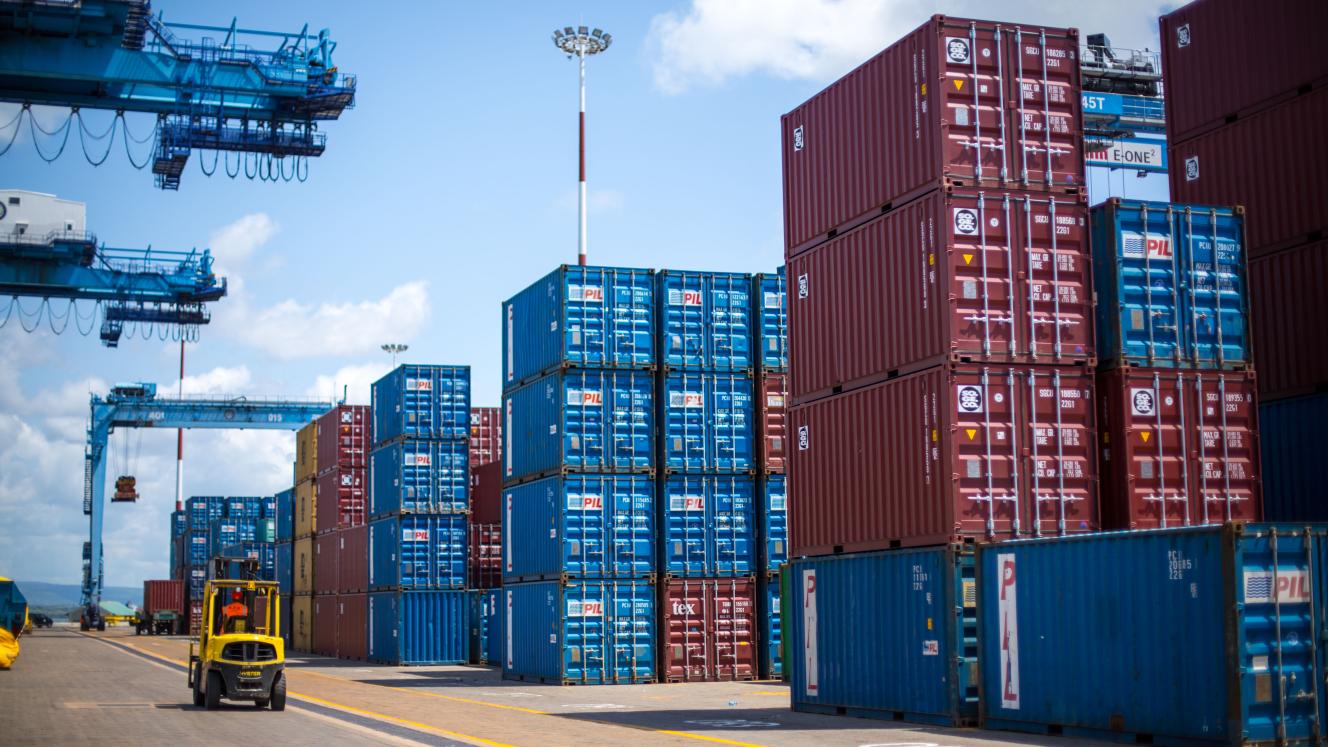
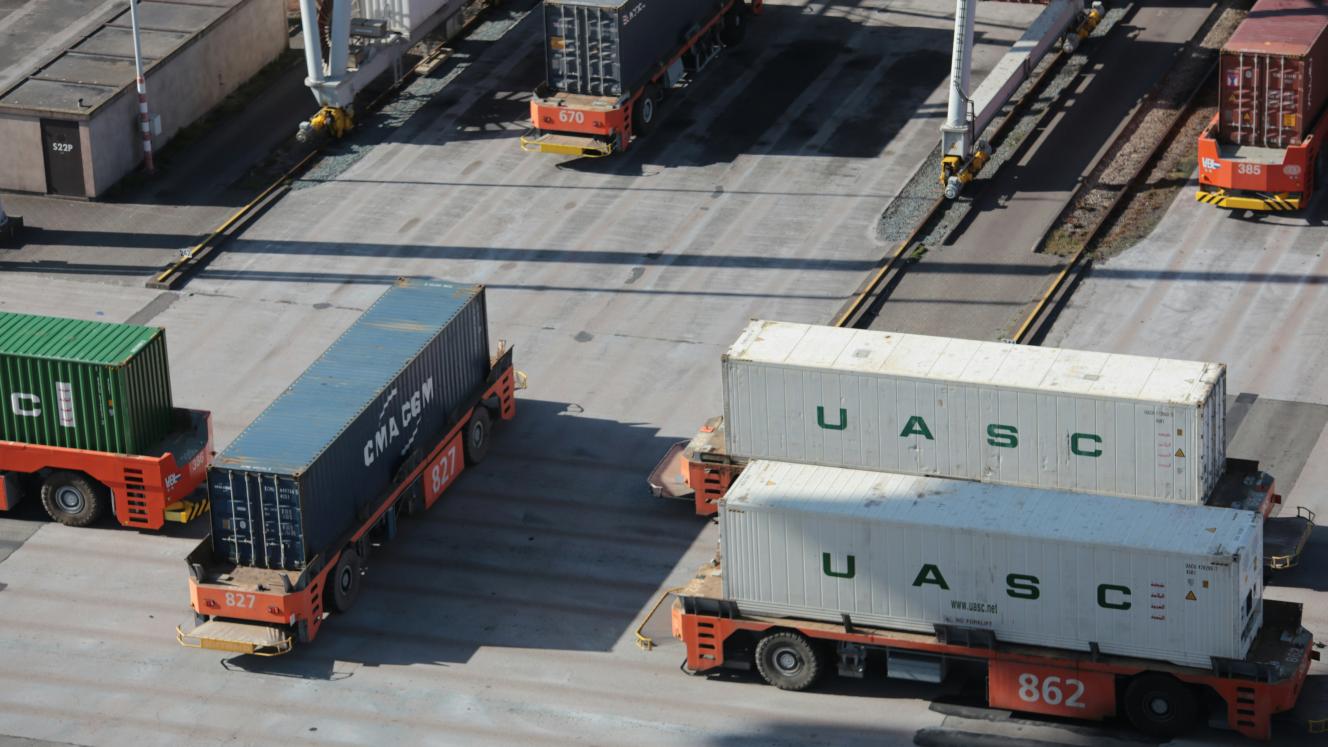
Investec also pointed to recent improvements in the country's logistics network, noting that container handling at South African ports reached its highest level since 2019 earlier this year, while freight rail volumes had recovered to their strongest level since 2021. However, it said further progress would be needed to unlock higher export volumes and reduce logistics costs.