A South African company that has developed a new and environmentally aware system for high-capacity heavy transportation has become one of four finalists for this year’s Swedish Steel Prize.
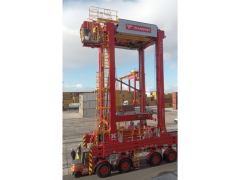
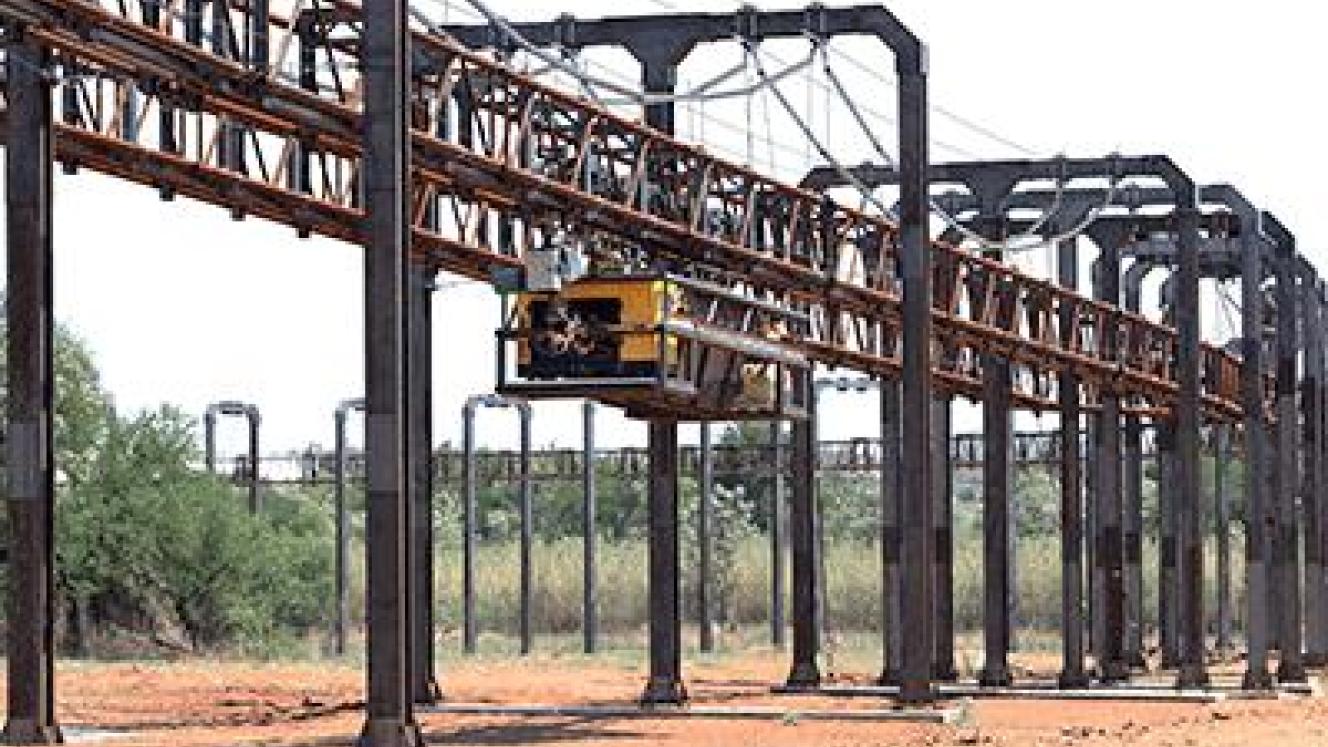
Developed by Milotek, the Futran System - a modular elevated track with self-propelled trains – creatively utilises high-strength steel in several different parts of the structure.
The Swedish Steel Prize is awarded annually by SSAB, a leader in high-strength steel and wear plate, to recognise the most innovative and creative products and solutions utilising high-strength steels. The winner will be announced at a ceremony in Stockholm on November 19.
The Futran System is a suspended transportation system that provides a cost-effective, flexible alternative to traditional rail, truck, conveyor belt and even underground mine haulage systems, for example. High-strength steels Strenx 700 and Hardox 450 from SSAB are utilised in components such as the track, the legs of the superstructure, the suspension system, the hanger brackets as well as the skips used for ore haulage.
“High transportation costs were the main reason for us to start looking for new alternatives. Our system is suspended in the air. The train and the wagons are hanging from an elevated rail supported by vertical posts. It has few moving parts and modularised components with a simplified design and minimised maintenance costs. It is easier to install than most modern day transportation systems. From the very beginning we saw the possibilities that high-strength steel offers. For example, the cost of the suspension system can be cut by 85 percent. In future, we also want to use the Futran System for human transportation,” says Andries Louw, founder and CEO of Milotek.
Two prototypes have been built so far, but many companies have shown interest and there are currently first projects already under way. One of these is being projected at a coal mine in Mozambique. The line will be about 5 km long and will use approximately 1 500 tonnes of steel. Yet another 12 km project is about to commence in South Africa and in Botswana a 7-km long line should become operational during 2016.