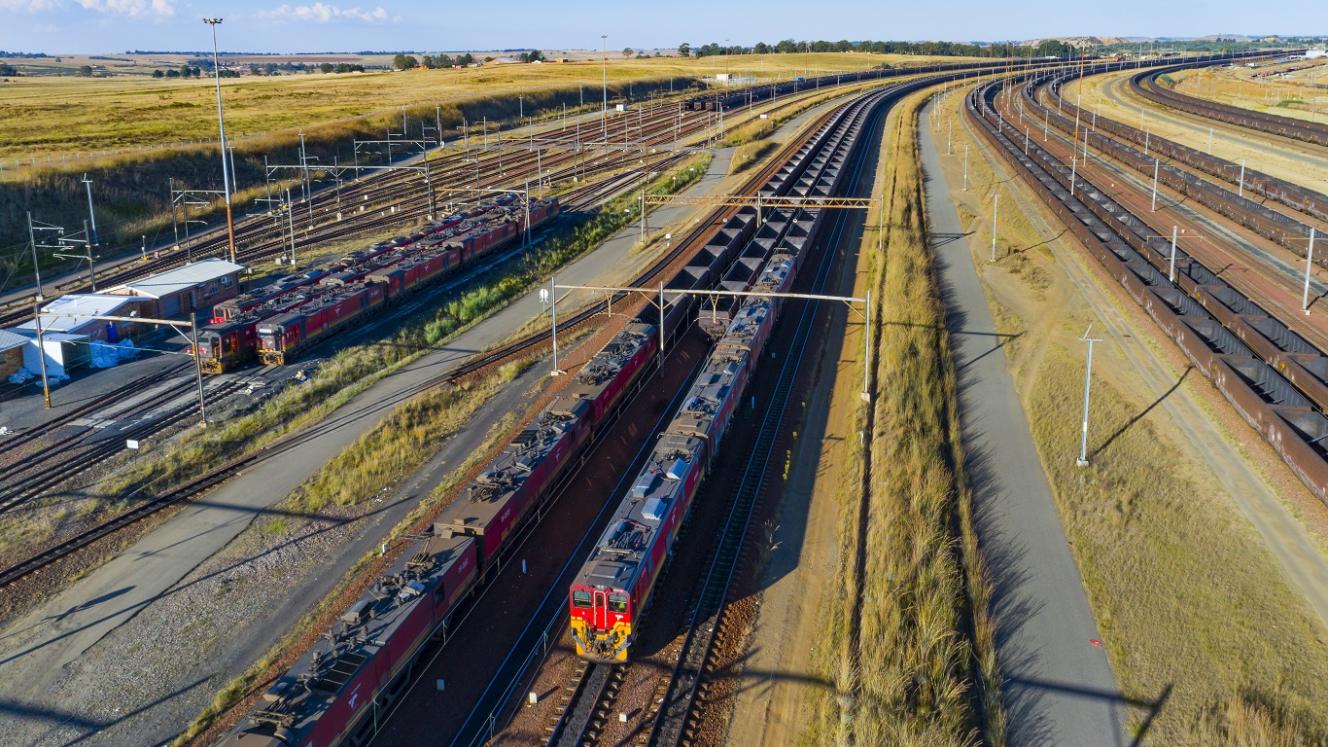
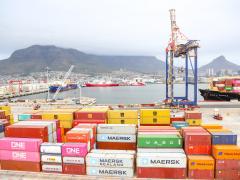
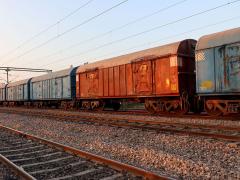
The shift away from commodities to manufactured goods and services as part of Africa’s revival strategy will create new opportunities and challenges for the whole logistics chain. With FDI projects into sub-Saharan Africa having grown at a compound rate of 22% since 2007 – with Ghana, Nigeria, Kenya, Tanzania, Zambia, Mozambique, Mauritius and South Africa among the “star performers” – logistics infrastructure remains one of the biggest challenges for companies operating on the continent. However, this is being addressed. According to a recent “Africa Attractiveness” survey compiled by Ernst & Young, 800 active infrastructure projects across different sectors in Africa were identified in 2012, with a combined value in excess of US$700 billion. South Africa had the most infrastructure projects (with a combined value of close to US$130 billion). Nigeria is next, with 106 infrastructure projects (worth US$100 billion). The East African countries of Kenya, Uganda and Tanzania, together with Mozambique, are also all in the top 10 in terms of number of infrastructure projects, while Angola has the fourth-highest capital value overall. Transport-related infrastructure projects account for 41% of the total spend. But infrastructure is not enough, according to the World Bank’s Logistics Performance Index (LPI) rankings. Countries making substantial performance improvements are the ones that have implemented longterm and comprehensive reforms and investments across the transport and logistics supply chain. As important as investment in physical infrastructure is for improving transport and logistics in most African countries, so too are related improvements in customs, border management and regional facilitation and integration, says the Ernst & Young report.
SA lead Africa in infrastructure spend
Comments | 0
© Now Media. This content is protected by copyright and may not be adapted or republished. If you would like to discuss cooperation opportunities, please contact: editor@freightnews.co.za.