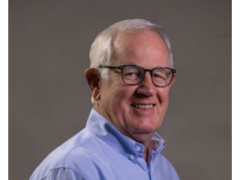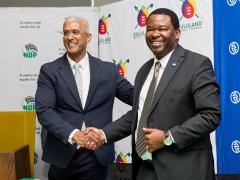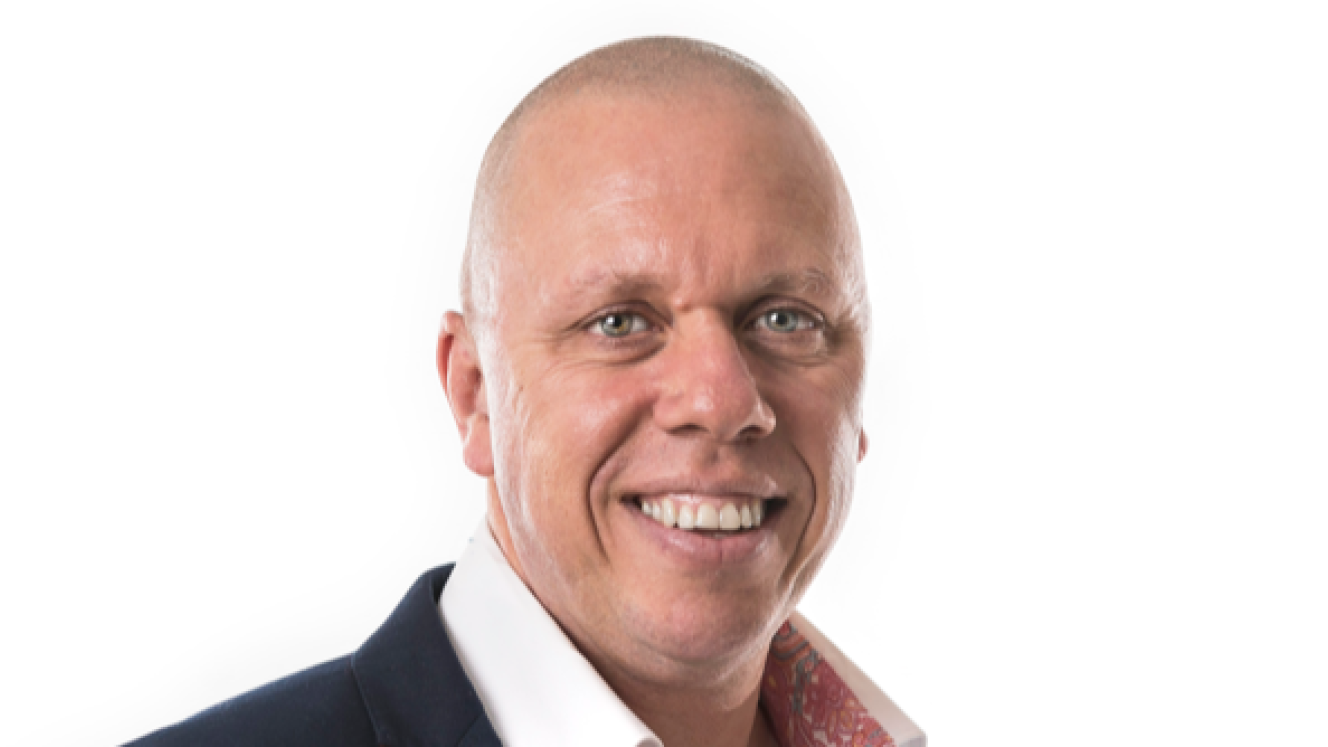
South Africa is in its most protectionist trade-policy phase since 1994, creating new cargo, cost and compliance risks for clearing and forwarding agents, according to Donald MacKay, CEO of XA Global Travel Advisors.
Speaking at the recent ICFF Gauteng roadshow, Mackay said the risk profile for companies moving goods into and out of South Africa was changing rapidly as the country’s industrial policy direction became more interventionist.
“In the course of the last 12 months, there were 16 protectionist tariff actions brought in South Africa.” These included anti-dumping actions, duty increases and safeguard actions, he said.
“We’ve got two enormous reviews under way at the moment to fairly dramatically increase the tariffs on steel and renewable energy products.”
Upstream duties hit exporters
The steel review is particularly significant because steel is an upstream input used by manufacturers across multiple sectors.
“Steel is currently the most protected product we have in South Africa. If you compound the normal tariff of 10% with anti-dumping duties and safeguard duties, some steel products are close to 100%. That is really bad policy,” MacKay said.
Protection applied upstream does not only affect importers – it also makes downstream exporters less competitive, he said. “When you put it upstream, it means everyone who consumes that product becomes less competitive.”
Higher protection had coincided with a collapse in exports of products made from steel, while steel itself was no longer being exported in meaningful volumes, MacKay said.
The risk is not limited to imports. “When imports drop, exports also drop,” he said.
Cargo volumes under pressure
For clearing and forwarding agents, this created a direct cargo-volume risk.
“As these duties go up, and as the pace of these protectionist actions increases, what happens is predictable: the volume of goods moving into South Africa drops,” he said.
“Every single piece of cargo that was entering South Africa before all of these duties were put in – and by the way, many have not yet been put in but they will start to come in – that is cargo that’s going to disappear from a clearing agent.”
Importers face surprise duty risk
The changing tariff environment created practical risk for importers and their clearing agents as many companies did not know that a product or sector was under investigation until they were told by an agent that an additional duty had become payable, MacKay said.
“The first time they find out about it is when the agent contacts them and says there’s an extra 30% anti-dumping duty on this product, and you have to pay it immediately, and it’s not costed in,” he said.
In some cases, businesses abandoned cargo, re-exported it, returned it to the supplier or placed it in bond in the hope that it could be exported later.
Early notification had become critical because clients needed time to make representations, adjust pricing or reconsider supply arrangements before duties took effect, he said.
South Africa has also moved away from removing duties where products are not available locally. Instead, relief is being offered through temporary rebates linked to permits. “The temporary rebate has a permit connected to it, and the rules for the permit change all the time,” he said.
This made planning more difficult, particularly where permit conditions changed.
ITAC’s latest annual performance plan indicated that BEE ratings could be considered in future permit decisions, MacKay said.
The more complex tariff environment is also increasing the compliance burden. MacKay said SARS had indicated that higher and more variable duties were making customs administration more difficult. Higher duties were also contributing to increased attempts to circumvent customs duties, placing legitimate importers and local producers at a disadvantage. “The winner in that game is the guy who can figure out not to pay the tariff,” MacKay said.
At the same time, global markets are also becoming more protectionist, making diversification difficult for South African importers and exporters.
Businesses were actively looking for alternative export and import markets, but this was not straightforward, MacKay said. “You can pretty much find a market for anything at some point, but your market might be at a price that is nowhere near as attractive.
“You may replace the US with five smaller markets. You don’t know the people there, there are language barriers, all sorts of other things.”
Service providers that could help clients understand tariff investigations, manage rebate and permit risks, identify alternative markets and respond earlier to trade-policy changes would be better positioned, he said.