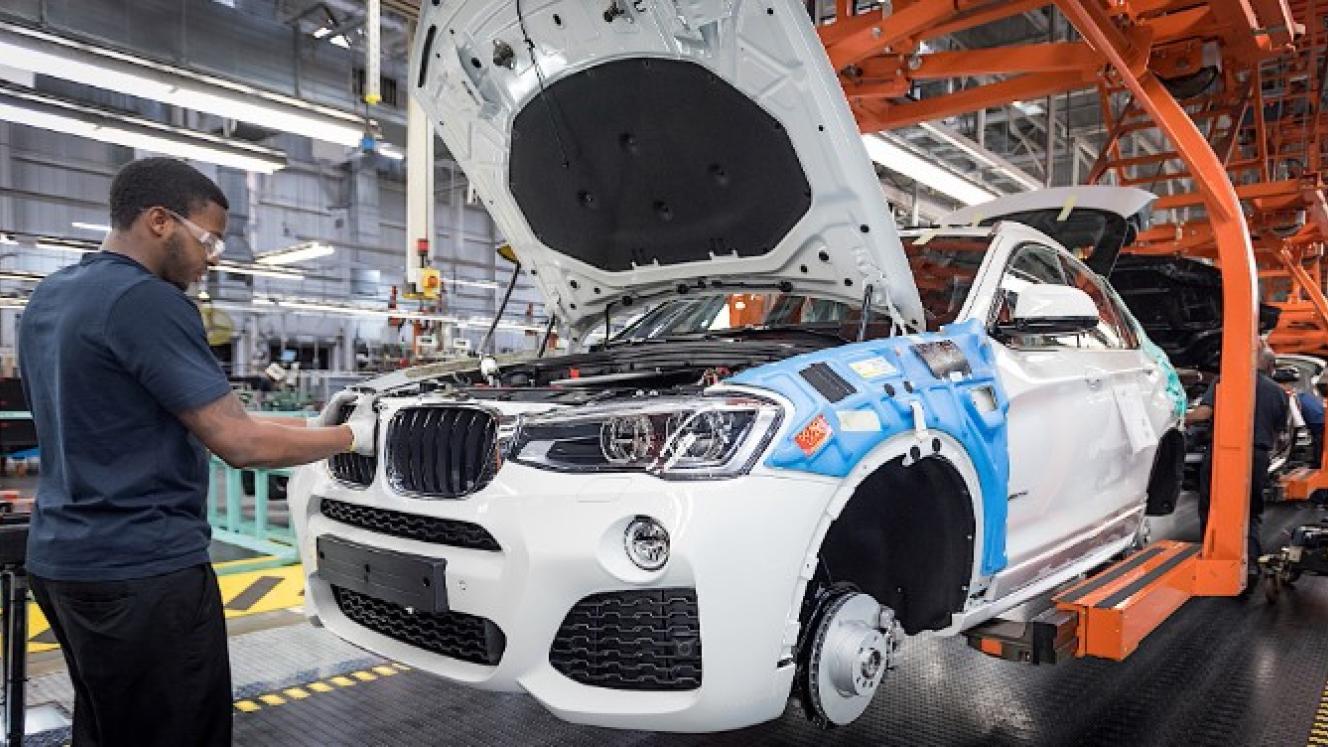
The automotive industry faces significant hurdles in achieving the South African Automotive Master Plan’s (SAAM 2035) targets, still falling far short of anywhere near doubling employment opportunities.
This according to a progress update report presented by the Department of Trade, Industry and Competition (DTIC) during a parliamentary portfolio committee meeting on Tuesday.
DTIC, chief director of automotives Mkhululi Mlota briefed the committee on progress the sector has made so far in implementing the plan, which envisions "a globally competitive and transformed industry” that contributes to the sustainable development of the economy.
The masterplan’s core objectives include growing domestic vehicle production to 1% of global output (1.4 million units annually by 2035), raising local content in assembled vehicles to 60% (from 39% in 2015), and doubling employment in the automotive value chain to 224 000 (from 112 000 in 2015).
In his presentation Mlota’s noted that in 2024, South Africa achieved 0.64% of global production and 50.9% of Africa's output, but volumes showed fluctuations, with a notable dip during Covid-19 and partial recovery thereafter. Local content remained stagnant, varying between 39% and 40% over the decade and declining to 39% in 2024, raising cause for concern following a downward trend from 2021.
The sector fell short of doubling jobs. Employment stood at 115 000 in 2024, down slightly from 116 000 in 2023, although it recovered from 2020 pandemic lows.
According to the progress report, total vehicle exports declined to 390 844 units in 2024 from a record 399 809 in 2023, but export value rose by R1.5 billion to a record R205.4 billion. Exports to Africa increased marginally to 25 916 units, with value up R1.1 billion (4.3%). Early 2025 data showed exports reaching 408 224 units.
Transformation advanced through the Automotive Industry Transformation Fund (AITF), saw approvals for R667.8 million in funding since inception (R607.9 million investment, R59.9 million grants). It supported 75 beneficiaries, created 2 754 jobs and facilitated R5.58 billion in market access.
Investment totalled about R68.1 billion since 2019, with capital expenditure focused on components and vehicle manufacturers.
Mlota highlighted current challenges facing the sector including stagnant localisation, which is below the 60% target and rising import penetration – with a heavy influx from China and India – accounting for 55% of sales. Export risks include potential US tariff changes, Agoa uncertainty and Chinese competition.