South Africa's new vehicle market is surging, but a flood of low-cost imports is squeezing local manufacturers, threatening jobs and production targets.
The Automotive Business Council (Naamsa) reported strong November figures in its latest sales data report last week.
"Aggregate domestic new vehicle sales reached 54 896 units in November 2025, increasing by 6 113 units, or 12.5%, compared to the 48 783 units recorded in November 2024,” Naamsa said.
Sales for the year until the end of November totalled 547 966 units, marking a 15.4% increase compared to the same period in 2024, underscoring consistent gains in consumer and business activity through the year.
Passenger cars drove much of the growth, with 39 158 units, an increase of 3 871 units, or 11.0%, compared to 35 287 units sold in November 2024. Car rental demand was key, accounting for 21.2% of sales as the sector prepares for peak holiday demand.
Light commercial vehicles, bakkies and mini-buses rose sharply to 13 048 units, up 2 221 units, or 20.5%, compared to the 10 827 units sold in November 2024. Medium and heavy segments showed mixed results, with medium-sized vehicles down 0.6% year on year to 698 units, while heavy vehicle sales climbed to 1 992 units, marking a 1.3% increase.
Of total sales, an estimated 43 702 units, or 79.6%, represented dealer sales; 16.3% went to the rental industry; 2.4% to government and 1.7% to industry corporate fleets.
According to Naamsa, this momentum stems from a supportive macro environment, including easing inflation, and fuel price and interest rate cuts during the period under review.
However, the sales surge masks the deepening crisis of rampant imports that is affecting local producers.
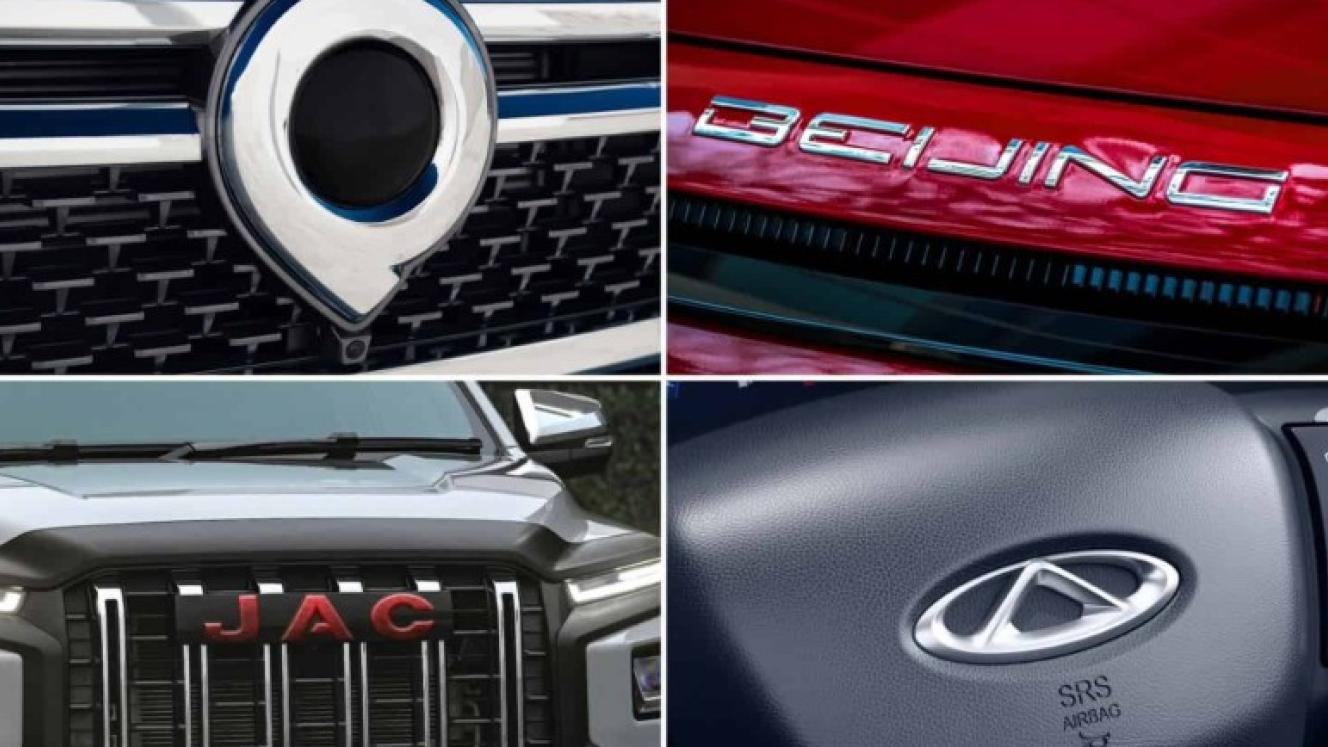
A Business Day report points out that local companies’ market share is shrinking rapidly due to imports, particularly from India and China, which are described as low-priced competitors.
Isuzu Motors South Africa managing director Billy Tom told the newspaper that some foreign manufacturers were “dumping” vehicles below cost, aided by lower production costs, Chinese overcapacity and government subsidies.
The report highlighted that imports were “eroding the South African manufacturing base, with vehicle production and employment in decline”, running counter to the targets of the SA Automotive Master Plan to double output and jobs by 2035. It also reported that local component content was falling.
Manufacturers are pushing for the current 25% import duty on vehicles to be raised to 30%–35% and for loopholes allowing semi-knocked-down imports to be closed.
Naamsa noted that exports, while resilient for the year to date, had fallen 3.9% in November to 35 848 units and could face further pressure from renewed US-SA trade tensions, including Agoa uncertainties.