A raft of significant amendments to key International Maritime Organization (IMO) treaties and codes came into effect on January 1.
The new rules introduce enhanced safety measures, environmental protections, seafarer welfare standards and mandatory reporting obligations across the global shipping industry.
The updates, adopted through various IMO resolutions, address critical areas ranging from crew training and harassment prevention to navigation hazards and fire safety.
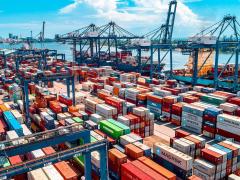
A prominent change is the new requirement for mandatory reporting of lost containers under amendments to the International Convention for the Prevention of Pollution from Ships (Marpol) and Safety of Life at Sea (Solas) conventions.
Masters must now promptly report any loss of freight containers – or sightings of drifting containers – to nearby ships, the nearest coastal state, and the flag state, which forwards details to the IMO.
Required information includes the ship's identity, position, date and time, number of containers, descriptions, and any dangerous goods involved. This aims to enable swift warnings and mitigation efforts.
In seafarer welfare, amendments to the Seafarers' Training, Certification and Watchkeeping make training on preventing and responding to violence, harassment – including sexual harassment – bullying, and sexual assault mandatory as part of basic personal safety and social responsibilities training. This change aims to equip all seafarers with essential knowledge to foster safer working environments at sea.
The fishing sector sees strengthened standards through amendments to the 1995 International Convention on Standards of Training, Certification and Watchkeeping for Fishing Vessel Personnel.
These establish harmonised qualification requirements and minimum competence levels for personnel on covered fishing vessels, following a comprehensive review to meet evolving industry needs. Part A sets binding technical standards, while Part B provides implementation guidance.
Other amendments include:
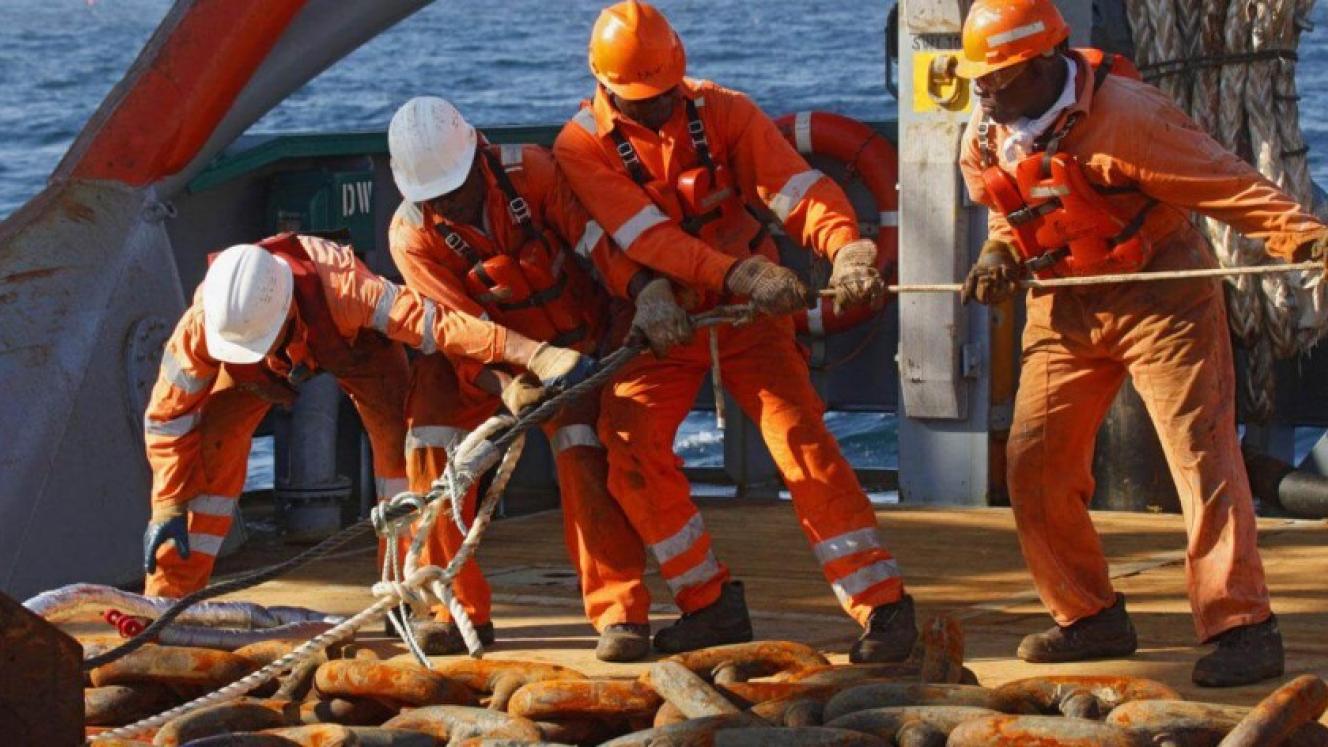
- New Solas regulations on the design, construction, operation, inspection, testing, and maintenance of onboard lifting appliances and anchor handling winches, supported by related guidelines.
- Provisions to prevent non-compliant oil fuel supply by requiring a signed declaration from suppliers confirming flashpoint conformity (60°C minimum) prior to bunkering.
- Extensions to the Polar Code and Solas for safety of navigation and voyage planning, now applying to fishing vessels of 24 metres and above, and certain smaller cargo ships in polar waters.
- A ban on fire-extinguishing media containing perfluorooctane sulfonic acid
- Enhanced fire safety requirements for vehicle, special category, and ro-ro spaces, including fixed detection, patrols and video monitoring.
- Updates to the International Maritime Dangerous Goods Code (Amendment 42-24), which is mandatory for ships carrying dangerous goods in packaged form.
(PFOS) for new ships, with existing ships complying by their first survey thereafter.
Additional changes cover electronic inclinometers on new containerships and bulk carriers of 3 000 gross tonnage and upwards, amendments to the International Code on the Enhanced Programme of Inspections during Surveys of Bulk Carriers and Oil Tankers Code, the Grain Code, International Code for the Construction and Equipment of Ships Carrying Liquefied Gases in Bulk Code and the Life Saving Appliances Code.