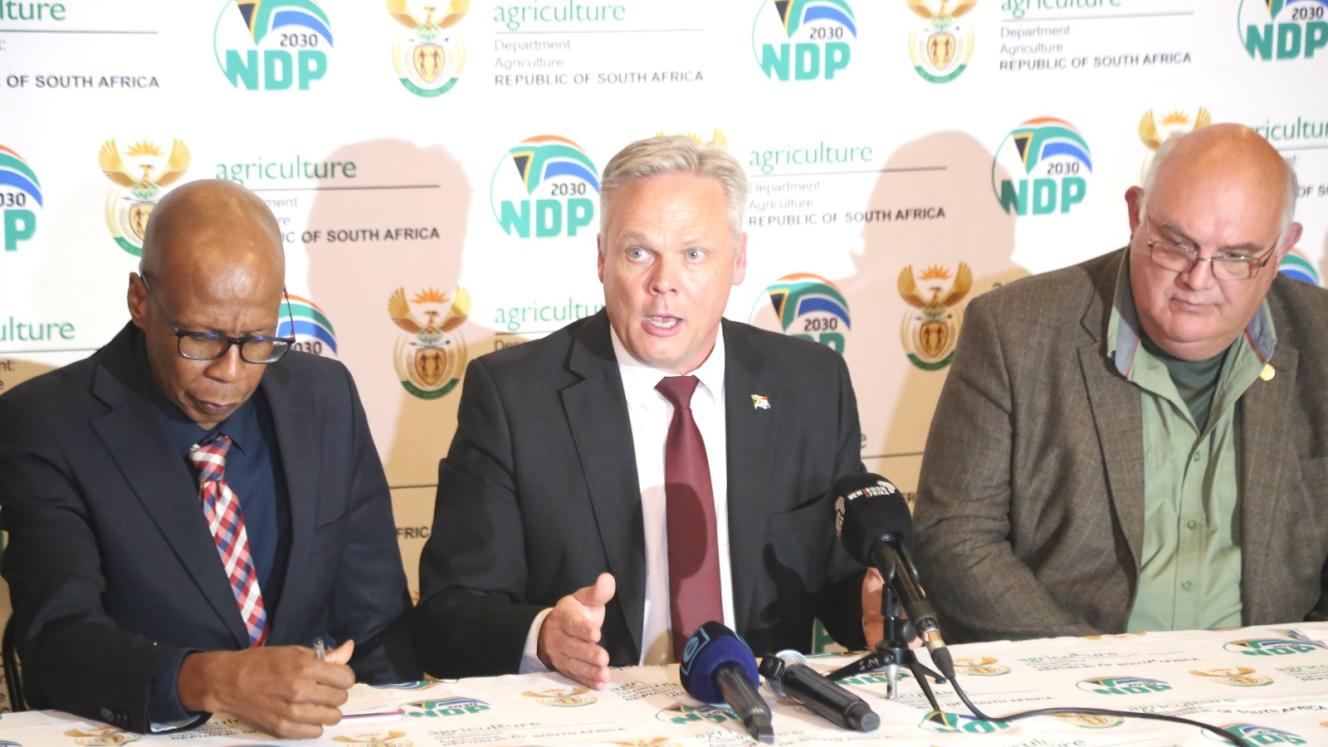
South Africa’s cold chain sector currently has sufficient capacity to support growing export volumes, including the country’s growing citrus volumes, but ongoing logistics challenges continue to place pressure on the efficient movement of perishable cargo. According to Andy Connell of A-Bar-C Services, the industry has invested significantly in cold storage infrastructure over recent years and is well positioned to accommodate current and future growth. “We have enough cold chain capacity at the moment and there is still room to manoeuvre,” he said. “Whether it is fruit exports during the peak fruit seasons or frozen products, the storage capacity is there.” Connell said several industry players had continued to invest in new facilities despite difficult trading conditions. This comes as South Africa is now the largest citrus exporter by volume, while other sectors, such as poultry, are also showing exponential growth. The investments being seen are also coupled with ongoing discussions about how facilities can be better utilised and how the industry can continue to grow. While storage infrastructure is not currently a major constraint, Connell believes the biggest challenge facing the cold chain industry remains logistics fluidity, particularly around port operations and the movement of export cargo. “The issue is not capacity. The issue is predictability and consistency,” he said. “The port and shipping lines cannot always provide reliable schedules and stack dates, which makes it difficult for exporters and logistics providers to plan cargo movements effectively.” According to Connell, congestion is often exacerbated when exporters delay deliveries until the final days before vessel departure, placing unnecessary pressure on terminals. “Everyone expects the port to perform miracles, but the industry also needs to adapt its logistics planning. If cargo is only delivered on the last possible day, it creates pressure that the port cannot reasonably be expected to absorb.” Despite these operational challenges, Connell believes South Africa compares favourably with many international competitors when it comes to cold chain compliance and digital systems. He said the country’s integration between industry, regulators and service providers had created a highly efficient environment for export documentation, inspections and cargo processing. “With the PPECB systems and the level of digital compliance that has been implemented, South Africa is probably ahead of many of the world’s major producers,” he said. “We are world leaders in areas such as customs processing, shipment bookings and digital documentation. Much of the customs clearing process can be completed electronically, provided there is connectivity.” While the country’s cold chain infrastructure and digital systems continue to perform well, Connell warned that rail remained a significant concern for the long- term competitiveness of fresh produce exports. He said the economics of fruit transport made it difficult for rail to compete with established bulk commodity and automotive traffic, which continue to receive priority due to their scale and year-round volumes. “Transnet Freight Rail naturally focuses on commodities such as iron ore and coal because they generate substantial revenue and operate consistently throughout the year,” he said. “Automotive freight also benefits from regular, predictable volumes. Fruit is seasonal and cannot compete on the same commercial basis.” The deterioration of rail means substantial investment requirements before it can become viable for fruit. “The investment required is enormous and the returns are very long term. Even if someone wanted to enter the market today, it would take years before the necessary infrastructure and equipment were in place.” LV
‘SA a world leader in customs processing’
Comments | 0
© Now Media. This content is protected by copyright and may not be adapted or republished. If you would like to discuss cooperation opportunities, please contact: editor@freightnews.co.za.