President Cyril Ramaphosa has reaffirmed government’s support for South Africa’s industrial sector following high-level visits to both South32 Hillside Aluminium’s smelter and Richards Bay Minerals in Richards Bay, where he linked future industrial competitiveness to energy certainty and logistics reform.
Speaking at Hillside Aluminium’s 30th anniversary celebration, Ramaphosa praised the smelter’s contribution to jobs, exports and industrial development, while highlighting the importance of energy and logistics reforms to sustain investment.
“When President Nelson Mandela opened the smelter in April 1996 he said: ‘The ultimate yardstick by which we must measure our efforts is the extent to which they promote sustained economic growth and development, create jobs and eliminate poverty.’ Today, we can say that Hillside Aluminium has delivered,” Ramaphosa said.
According to the President, the smelter currently supports 3 650 direct and indirect jobs and contributes an estimated 29 000 jobs across the economy.
He described the operation as “not only a smelter, it is a producer of skills”, citing its apprenticeships, bursaries and learnerships as critical contributors to South Africa’s industrial skills pipeline.
Ramaphosa also highlighted Hillside’s community investment projects, including support for the Ngwelezana Hospital paediatric burns unit, water projects in the King Cetshwayo District and refurbishment work at Aquadene Secondary School.
South32 recently pledged R3.9 billion to rail infrastructure upgrades in KwaZulu-Natal and the Northern Cape at the South Africa Investment Conference.
The President acknowledged the pressure facing global aluminium smelters from rising electricity costs and welcomed ongoing discussions between Eskom and South32 over a long-term electricity solution for Hillside beyond 2031.
“We commend Eskom for its constructive and proactive efforts to work with the industry to address rising electricity costs.
“We are encouraged by the commitment by South32 and Eskom to develop an energy solution that supports the smelter’s competitiveness and brings renewable energy into the national grid.”
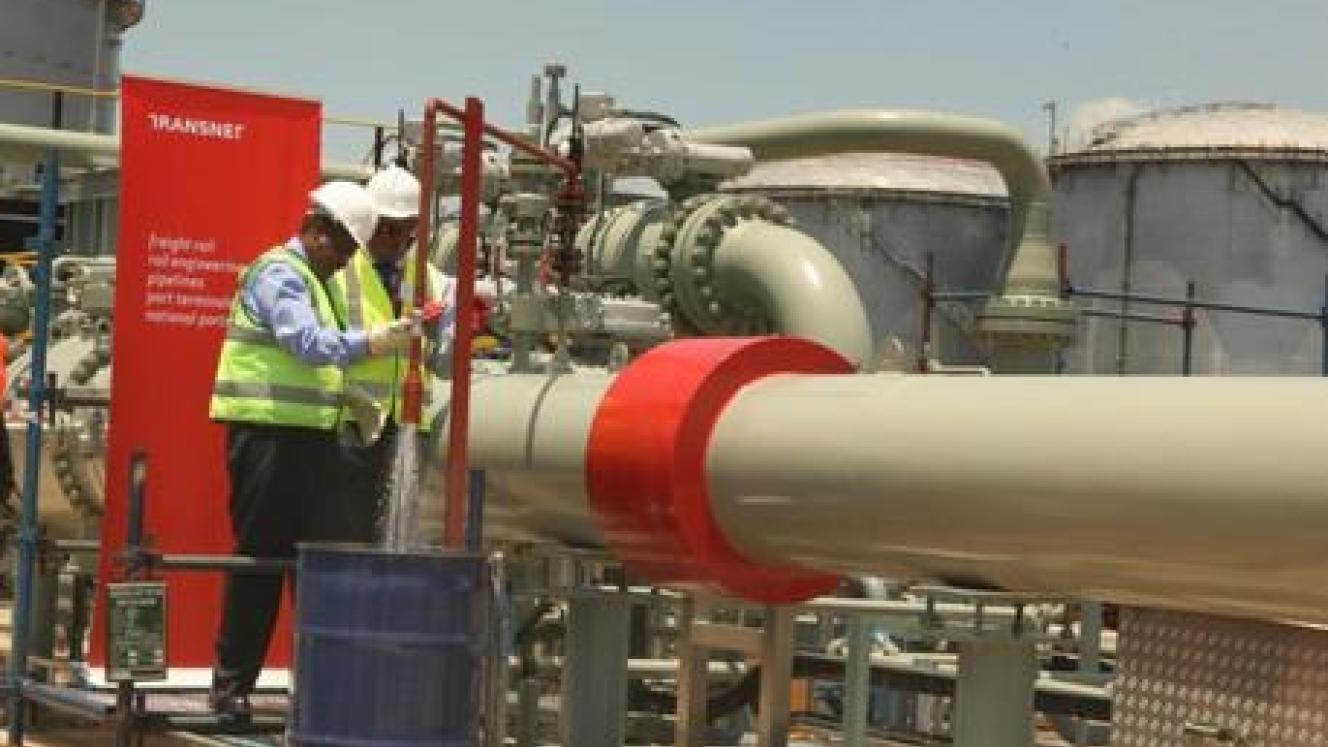
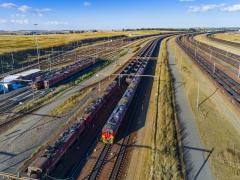
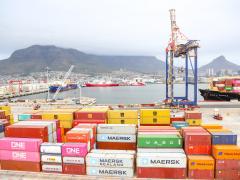
Ramaphosa also used the event to underline government’s logistics reform agenda, saying Transnet had “turned the corner and has moved from decline to recovery, and from planning to implementation”.
“Investment, reform and delivery are now firmly under way in rail and port infrastructure.”
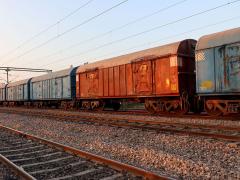
The President added that South Africa was entering the early stages of a multi-operator rail system, with 11 private train-operating companies already granted access to freight rail lines.
“There is clear progress in our quest to restore rail volumes, implement structural reform and crowd in private-sector investment,” he said.
He said improved network reliability and reduced operational disruptions on the iron ore and coal export corridors would help companies such as South32 to plan ahead.
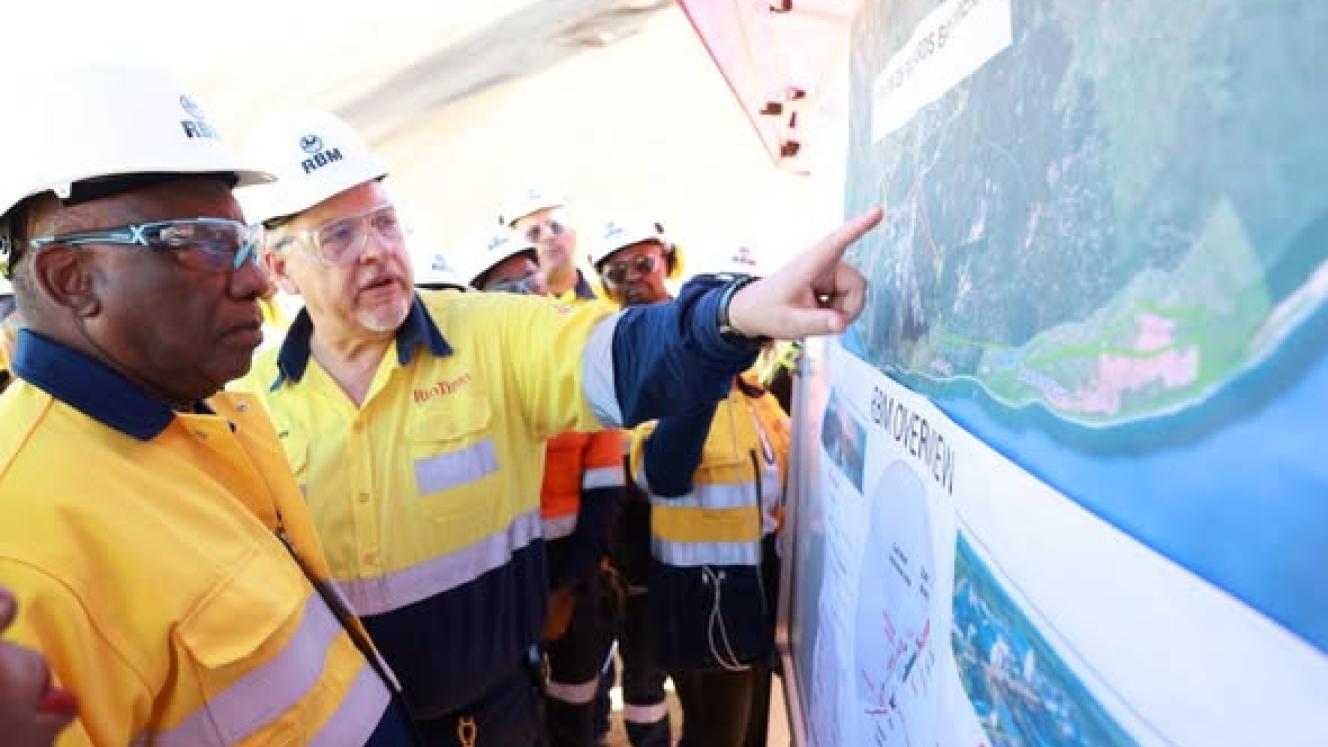
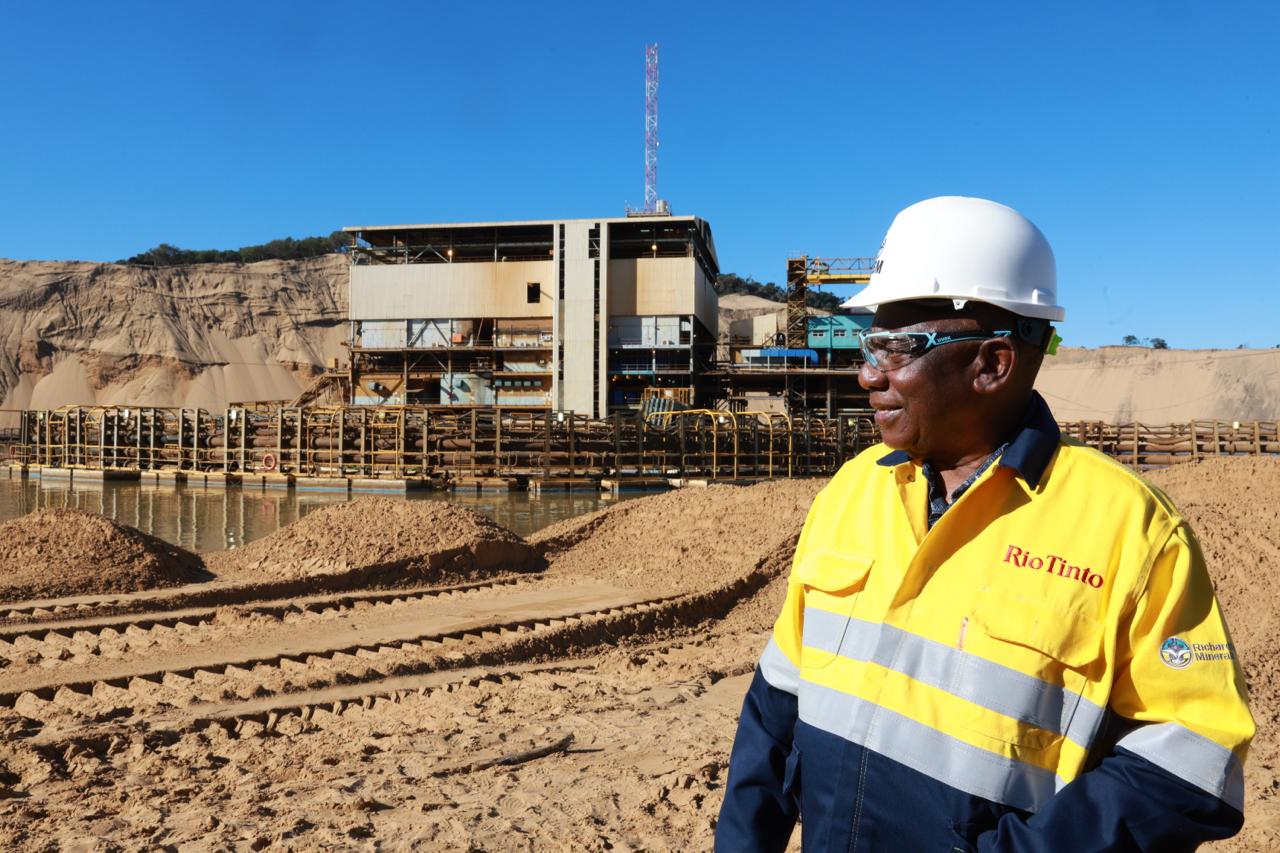
The President’s visit to Richards Bay also included a tour of Richards Bay Minerals as the company marked its 50th anniversary.
RBM said the visit marked Ramaphosa’s first official visit to its operations and included tours of its largest mining pond and smelter control room, as well as engagements with employees and union representatives.
“As one of the largest mineral sands operations globally, RBM occupies a significant position within both the South African mining sector and international supply chains,” the company said.
RBM said the visit highlighted the importance of collaboration between government, industry and communities in driving long-term economic development. The company also pointed to the recently approved Zulti South project and the commissioning of the Bolobedu solar power project as part of its future growth and sustainability plans.