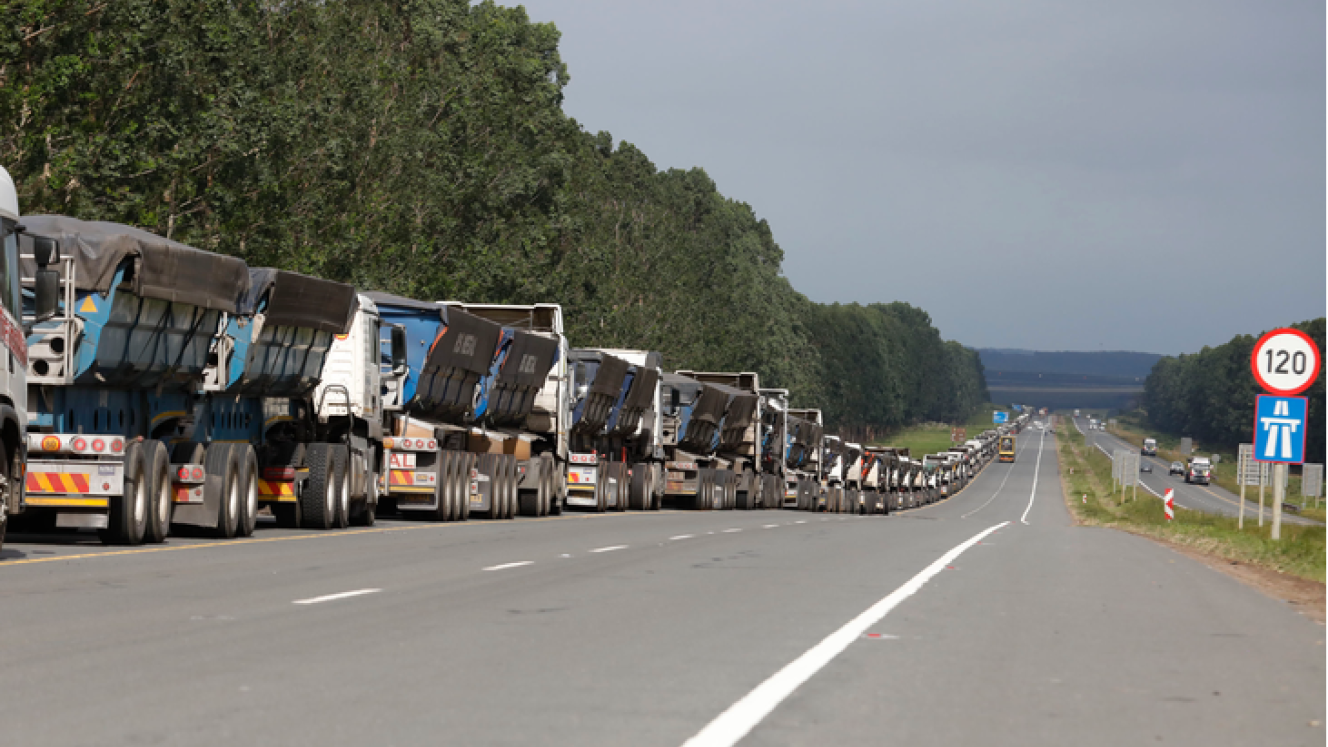
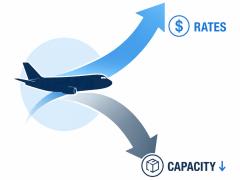
The roadfreight industry has once again called into question what they believe is f lawed logic in the proposed ban on trucks at peak hours. High profile accidents such as the Fields Hill incident in which more than 20 people died, and the accident involving a truck which saw Minister Collins Chabane killed, did not happen during rush hour. Trucks crawl along in traffic during these times much like every other vehicle on the road. High profile incidents like Fields Hill are being touted as the reasons why South Africa needs the ban but in fact it is hardly likely it will achieve any results other than impacting heavily on the economy. According to Gavin Kelly, spokesman for the Road Freight Association (RFA), the issue around Fields Hill is a perfect example. “The restriction will not address the problems being experienced there. Freight vehicles will be restricted during times of heavy congestion when all traffic moves slowly and not during the time when the horrific accident actually took place.” The RFA has responded in detail to the proposed ban as well as to other proposed amendments to the National Road Traffic Act – including driving tests when licences are being renewed. In its official response the organisation said the impact of the proposed legislation would be farreaching, pointing out that truck utilisation would reduce by between 25% and 50%. “Assuming that fixed costs are roughly half of total trucking costs this could require between 12.5% and 25% rate increases from truckers,” reads the response. According to Kelly, practically this means 1000 trucks at R500 per hour for six hours equates to R3m per day. Multiply R3m by 250 days per year one gets to R750m per annum. “These costs will be passed onto customers and ultimately onto the end user as operators will not absorb them.” At the same time all the ports in the country will stand idle for six hours every day due to their proximity to the cities and the fact that at least 80% of the movements to and from ports are done by road.
RFA spells out the crippling cost implications of truck ban
Comments | 0
© Now Media. This content is protected by copyright and may not be adapted or republished. If you would like to discuss cooperation opportunities, please contact: editor@freightnews.co.za.